


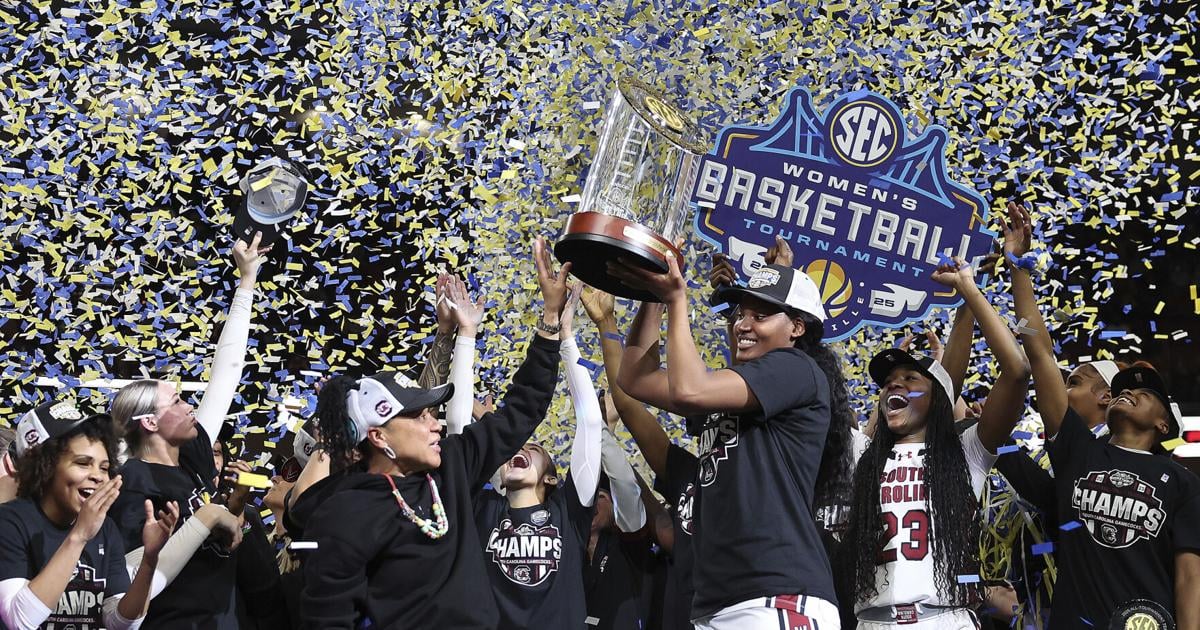
Historic Progress of Women’s Sports at USC
Over the past several decades, women’s sports at the University of South Carolina (USC) have experienced significant growth and recognition. This narrative centers particularly on the women’s basketball program, which has become a hallmark of success since its inception as a varsity team.
Milestones in Women’s Sports
USC women’s basketball began making its mark on December 6, 1974, when it secured its inaugural victory as a varsity squad. This pivotal moment laid the foundation for greater participation in women’s athletics at the university, especially following the enactment of Title IX in June 1972, which effectively transformed collegiate women’s sports.
Before these changes, women’s athletics at USC operated mostly as club sports, and the players sometimes had to self-fund their teams, famously branding themselves as “The Carolina Chicks.” Following Title IX, USC made crucial moves by officially incorporating women’s sports into the athletic department. By January 1974, the university recognized seven women’s sports and appointed Helen M. Timmermans as the first Associate Director of Athletics for Women.
Expansion and Achievements
The initial selection of officially recognized sports included basketball, gymnastics, golf, softball, swimming & diving, tennis, and volleyball. With this restructuring, each program was allocated scholarships, marking a significant shift in support for female athletes.
Fast forward to the present, and USC’s equestrian program exemplifies this evolution, now able to offer scholarships to as many as 30 riders per team. This growth reflects a broader trend in collegiate athletics, where support for women’s sports has significantly amplified.
Recent Successes
This season has been particularly historic for USC’s athletic teams. The women’s golf team, for example, recently clinched an SEC championship and qualified for the national tournament, underscoring the program’s development and competitive spirit. Coach Carol Gwin remarked, “This was a historic season for a team that has put their hearts and souls into every aspect of our program.”
Future Directions
The retirement of Boo Major, a coach who led the equestrian team to three national championships, paved the way for Gwin to mold the program into a formidable SEC competitor. Furthermore, Chastain Woodard’s return to USC as head coach has been transformative, guiding the team to its second successful SEC season in over two decades and helping host NCAA regional and super-regional events.
These developments signify not only success in competition but also a broader commitment to fostering women’s sports and achieving equity within collegiate athletics.
Conclusion
The growth of women’s sports at USC serves as a testament to the hard work and dedication of its athletes, coaches, and the administration. The journey from club sports to NCAA tournaments highlights a cultural and institutional shift that continues to empower future generations of female athletes.
