


Challenges Facing Grassroots Women’s Football Clubs
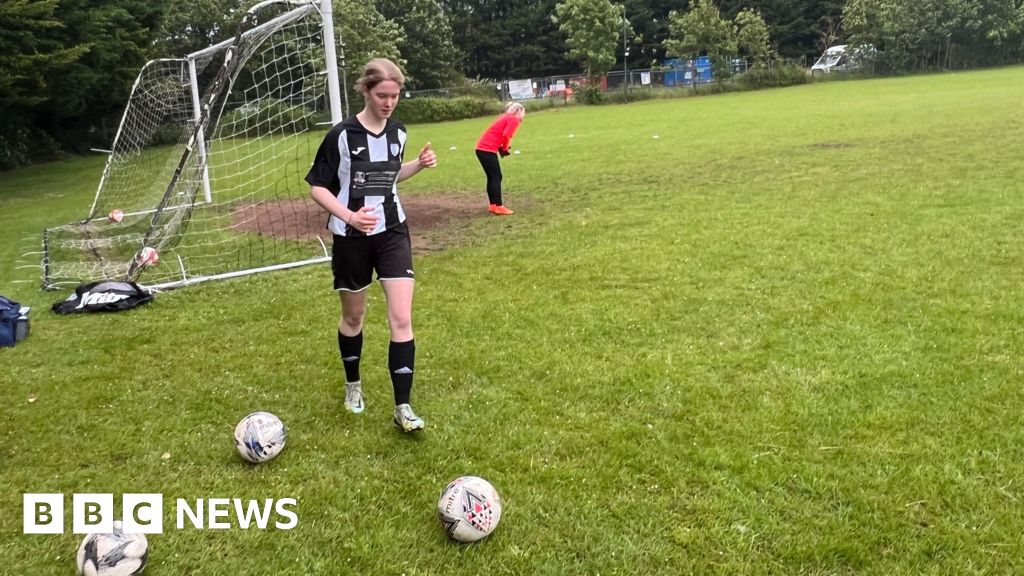
Grassroots women’s football teams across the UK are grappling with financial instability, despite significant government investments aimed at promoting the sport. Odd Down Women’s AFC, a club from Bath that recently achieved an unbeaten season in their Tier 7 league, exemplifies these financial struggles.
Dependence on Local Support
The predicament faced by Odd Down is starkly illustrated by the words of their coach, Rob Macer. He noted, “If it wasn’t for the goalkeeper’s mum last week, I don’t know what we would have done.” After losing two key sponsors, the club was fortunate to secure funding from a local cleaning business owned by the goalkeeper’s mother. This kind of local support has become essential for sustaining many grassroots teams.
Government Investment vs. Financial Hardship
While government bodies have allocated hundreds of millions of pounds to enhance women’s football, the financial lifeline has not reached every grassroots club effectively. The promises made surrounding the England-hosted Women’s Euros in 2022 appear to have fallen short, as many clubs continue to struggle to find necessary funds.
Challenges in Securing Funding
Mr. Macer has highlighted that acquiring financial assistance from the Football Association (FA) has proven challenging. Although two members of Odd Down received coaching badges funded by the Somerset FA, they had to pay upfront with the expectation of reimbursement, complicating the process of support. This situation portrays a systemic gap that grassroots clubs must navigate.
Government Initiatives for Grassroots Sports
Lisa Nandy, Secretary of State for Sport, recently announced a £400 million investment aimed at improving grassroots sports facilities, emphasizing the need for enhanced accessibility for girls in these environments. However, questions remain about how effectively these funds will be distributed to smaller clubs like Odd Down.

Successful Examples of Funding
Contrastingly, some clubs have successfully attracted significant funding. Longwell Green Sports FC in South Gloucestershire received over £500,000 through a public grant from the FA, which was used to establish a 3G artificial pitch. This investment has benefitted approximately 60 different teams, demonstrating the positive impact of accessible funding on local sports.
Calls for Greater Responsibility from Higher Echelons of Football
John Gibbs, chairman of Longwell Green Sports FC, believes that the financial responsibility should also fall on the upper tiers of football, specifically the Premier League and Championship. He stated, “I massively credit the Lionesses with getting more girls into the game; it’s just about 50/50 (girls and boys) now.” His comments underline the need for top-tier football to contribute more substantially to grassroots funding.
Conclusion
The financial landscape for grassroots women’s football is wrought with challenges, despite broader investments in the sport. While local support and targeted funding initiatives can provide temporary relief, a systemic overhaul may be necessary to ensure long-term sustainability for clubs like Odd Down Women’s AFC and their counterparts across the UK.
