


Understanding Medically-Induced Menopause: Kat Denisi’s Journey
The Diagnosis and Treatment Journey
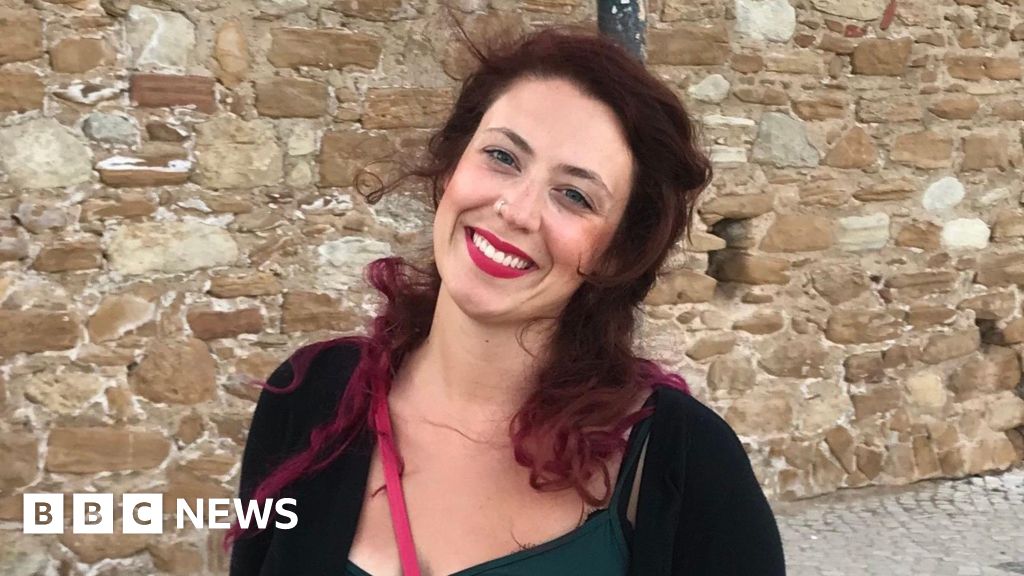
At just 32, Kat Denisi received a breast cancer diagnosis that led to a series of aggressive treatments aimed at combating her illness. As part of her care, she was placed into a medically-induced menopause, intended to suppress hormone levels that could fuel tumor growth.
Kat, a set designer from Edinburgh, underwent not only chemotherapy but also radiotherapy, which resulted in significant physical challenges, including skin burns and severe nausea. Her battle included hospital stays due to dangerously low white blood cell counts, yet she acknowledges the dedicated medical support she received during her treatment.
Unexpected Consequences of Crash Menopause
Now at 35 and declaring herself cancer-free, Kat expected to feel a sense of relief and recovery. Instead, she found herself grappling with the harsh realities of what she terms “crash menopause.”
“Sometimes menopause feels worse,” she expressed, emphasizing the stark contrast between the thorough medical attention during her cancer treatment and the relative neglect post-therapy. “Once all that finishes, that’s when they push you off the cliff. No one talked about menopause to me at all,” she explained.
Insights into Menopause and Its Symptoms
Menopause, a natural biological process, typically occurs between the ages of 45 and 55, yet medically-induced menopause can manifest suddenly, with symptoms that range widely in intensity and type. Commonly, this includes hot flashes, dry skin, mood fluctuations, and issues related to libido.
In Kat’s scenario, she experiences a spectrum of debilitating symptoms such as:
- Severe hot flashes
- Anxiety and mood swings
- Discomfort due to vaginal dryness
She describes experiencing hot flashes as an overwhelming sensation, likening it to “bubbling up through your body,” culminating in facial flushing that leaves her feeling nauseated.
The Impact on Daily Life and Relationships
Kat’s sudden onset of menopause symptoms has significantly affected her quality of life, even intruding on her marital bliss after marrying her husband Neil in 2019. She articulates her struggle, stating, “It really sucks because I got married and you’re meant to be having the best years of your life.” Instead, lingering symptoms consistently impede her enjoyment of daily activities.
Unfortunately, Kat is not a candidate for hormone replacement therapy (HRT), as the estrogen in HRT can stimulate breast cancer cell growth. “The crippling thing with menopause is doctors don’t have many solutions for it,” she asserted, highlighting a pressing gap in post-cancer support.
The Broader Awareness of Medically-Induced Menopause
Dame Laura Lee, chief executive of the cancer charity Maggie’s, emphasizes that awareness around crash menopause remains alarmingly low. “Menopause was once a taboo topic which nobody discussed,” she noted. Lee advocates for expanded conversations about this urgent issue, encouraging recognition of symptoms and access to support.
Kat underscored the lack of discussion surrounding medically-induced menopause among young women who have undergone similar treatments. “People expect you to be back to normal after cancer treatment,” she said. Raising awareness is essential for creating a supportive environment for those affected.
Looking Forward: Hopes for Recovery
Looking ahead, Kat expresses uncertainty regarding her future. The possibility of either a temporary or permanent shift in her menstruation cycles is something she grapples with. “The longer you’re in medically-induced menopause, the less likely you are to get your period back,” she reflected. Her upcoming treatments will play a crucial role in determining the trajectory of her reproductive health.
“It’s quite upsetting to think I might have to do this all over again,” she admitted, regarding the prospect of facing another natural menopause after navigating through crash menopause so early in life.

Conclusion: A Call for Support and Understanding
Kat Denisi’s journey through cancer treatment and its subsequent toll demonstrates the need for comprehensive care options that extend beyond physical health to address quality of life issues like menopause. As conversations around topics like crash menopause continue to unfold, increased awareness and support can pave the way for a better understanding of the challenges faced by those experiencing it.
