


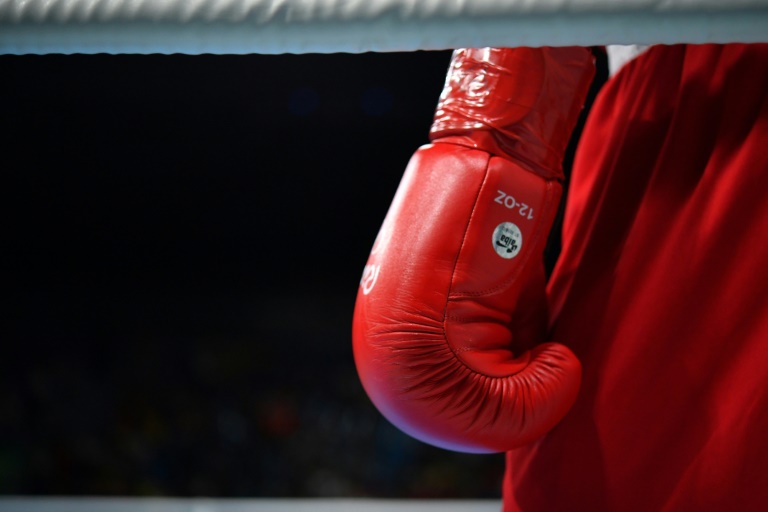
French Women’s Boxing Team Barred from Championships Over Gender Test Delays
The absence of the French women’s boxing team from the ongoing world championships in Liverpool has drawn significant attention after the team was disqualified due to delays in genetic testing for gender eligibility. French Sports Minister Marie Barsacq described the situation as “inadmissible,” expressing her discontent over the circumstances that led to the team’s exclusion.
Testing Policies and Regulations
As a part of its new regulations, World Boxing announced mandatory genetic sex testing for all women athletes wishing to participate in the championships. This decision, made public last month, came with strict deadlines that ultimately could not be met by the French federation (FFBoxe).
Legal Context and Compliance Issues
Testing for gender eligibility has been prohibited in France since 1994, except under specific conditions. Consequently, the French team was required to wait until their arrival in England to undergo the necessary tests. Although the five-member women’s team completed their testing at a World Boxing-accredited laboratory, the results did not arrive in a timely manner to meet the championship’s deadlines.
Reactions from Officials and Athletes
Following the announcement, FFBoxe expressed their outrage, stating they had received assurances from World Boxing regarding the testing process. They claimed that the laboratory recommended by World Boxing failed to deliver the results on time, leading to the disqualification of their athletes.
Athletes’ Perspective
Maelys Richol, one of the affected boxers, articulated her emotions of “frustration, anger, and disappointment” following the decision. Such sentiments reflect broader concerns about the impact of testing policies on athletes’ careers and opportunities.
Broader Implications in Sports
World Boxing emphasized that the responsibility for ensuring proper testing falls upon National Federations, noting that the close relationship they have with their athletes makes them better suited to manage these processes. They expressed disappointment over the failure of some federations to meet the requirements before the competition.
Continued Controversy
This issue is part of a larger discourse on gender eligibility in sports, a topic that has also affected athletics and swimming recently. The introduction of gender tests has been met with criticism and legal challenges, raising questions about fairness and competition in women’s sports categories.
Conclusion
The disqualification of the French women’s boxing team, alongside other affected athletes from nations like the Dominican Republic, Fiji, Nigeria, and the Philippines, underscores the continuing complexities and contentious debates surrounding gender testing in sports. As organizations like World Boxing prepare for major events such as the 2028 Olympics, the handling of athlete eligibility will likely remain a critical focus.
