


Fraudulent Gynecologist Case in Tashkent Raises Concerns
Incident Overview
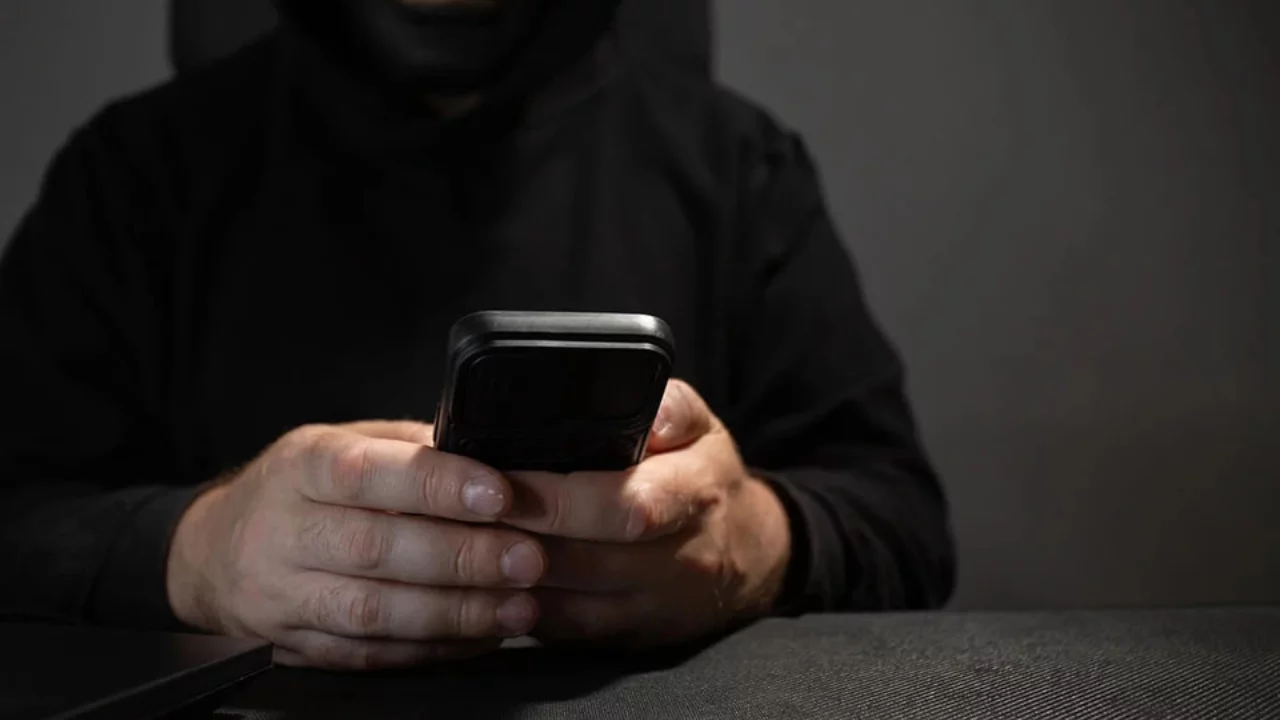
In a shocking turn of events in Tashkent, a man without any medical qualifications posed as a gynecologist and extorted money from unsuspecting women. The individual, identified as B.Sh., created a fraudulent profile on the messaging platform Telegram, where he presented himself as a qualified physician working at a local women’s clinic. This deceitful act is now under judicial review, highlighting significant concerns regarding public safety and online conduct.
The Deception Uncovered
According to Kun.uz, B.Sh., born in 1996, set up the fake Telegram account in late June 2025. He impersonated a real gynecologist named D. Saydumova, utilizing her image and name. His actions were particularly alarming as he provided medical advice, which was not only misleading but also posed serious health risks to individuals seeking guidance.
Admission of Guilt
During court proceedings, B.Sh. acknowledged his wrongdoing. He confessed to communicating with victims under a false identity and admitted to receiving payments for his so-called services despite lacking any medical knowledge or experience. Demonstrating remorse, B.Sh. requested a more lenient sentence from the court.
Impact on Victim and Society
The actual victim of this impersonation, D. Saydumova, testified regarding the negative impact on her personal rights, reputation, and professional integrity. She emphasized that the advice dispensed via the fraudulent account was harmful and contradicted established medical practices, further endangering patients’ well-being.
Legal Consequences
The incident was classified as a violation under Article 202‑2, part 1 of the Administrative Code, which pertains to identity theft through the creation of accounts using personal information. Consequently, the court imposed a fine of 18,750,000 soums on B.Sh., equating to 50 times the country’s minimum wage, as a punitive measure for his actions.
Broader Implications
This case serves as a stark reminder of the growing issue of identity theft and fraud in online spaces. The rise in fake accounts intended for deception presents a serious threat not only to individuals but also to societal trust. Legal frameworks exist to protect personal data, yet many continue to view such acts as trivial mischief. This incident underscores the dire consequences that can arise from lax attitudes towards online safety.
Public Reaction
The public response to this case has been fervent. Many social media users argue for more severe penalties, such as imprisonment, stating that fines alone are insufficient to deter fraudulent behavior. The erosion of trust due to impersonators highlights the urgent need for individuals to verify medical advice through credible, official sources.
