


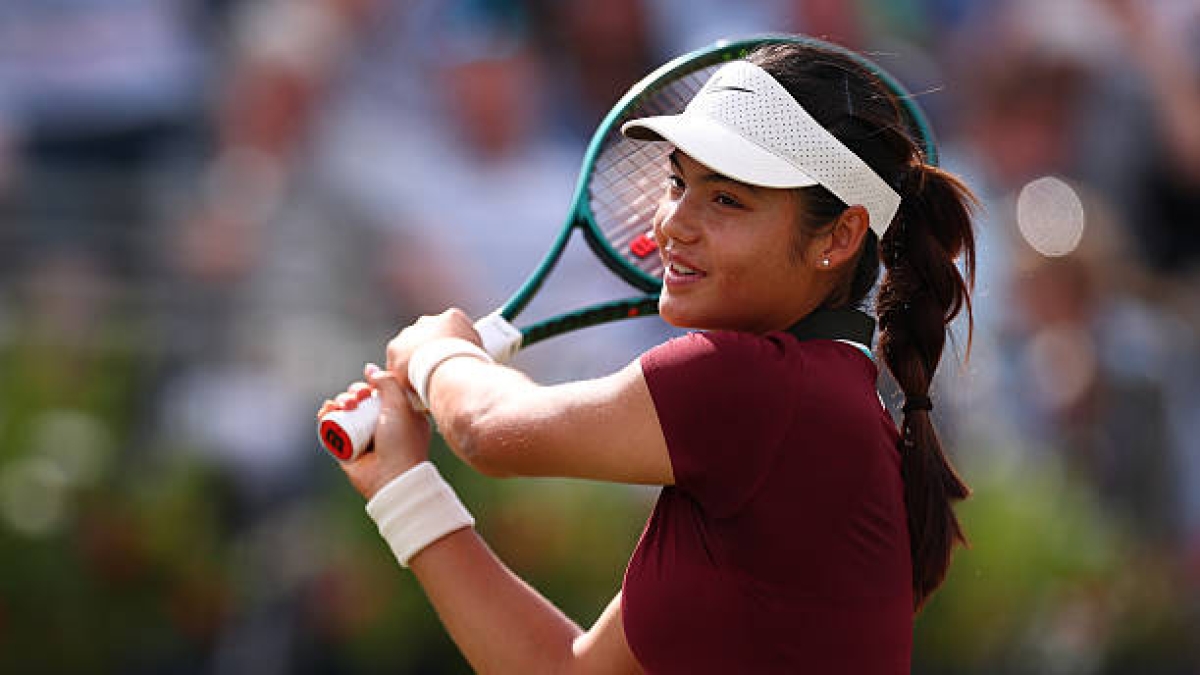
Emma Raducanu Addresses Gender Pay Disparity in Tennis
Amidst ongoing conversations about gender equality in sports, British tennis player Emma Raducanu has stirred controversy with her recent remarks regarding the wage gap between male and female tennis players. Her comments emerged following significant changes at the historic Queen’s Club, which has traditionally hosted only male events.
New Developments at Queen’s
This year marks a significant milestone as women have been allowed to compete at Queen’s, a prestigious venue known for its long-standing tradition of exclusively hosting men. A WTA 500 event is now being held, but it is accompanied by a noticeable disparity in prize money compared to its male counterpart, drawing attention to the broader issue of wage equality in tennis.
Raducanu’s Response
When asked about the pay gap, Raducanu, 22, expressed her reluctance to engage in the debate. She stated:
“I just prefer not to get involved in any way in this matter; whatever the situation, I will accept it, but I will never take sides. I don’t want to take a stand or engage in this debate with the decision-makers; I will simply continue on my path. I truly feel I don’t play for money; it’s not my priority, I don’t think about that.”
This perspective has garnered both support and criticism. Some see her comments as dismissive of the efforts made by other athletes advocating for equal pay. Critics argue that her privileged position, given her significant career earnings totaling over $5 million and lucrative endorsement deals, allows her to view the issues facing less financially secure players differently.
Public Reactions
Raducanu’s statement has resonated throughout the tennis community, inciting conversations about the responsibilities of high-profile athletes in addressing social issues. Many players rely on their sport for livelihood, making her comments particularly contentious. They highlight the complexity of this subject, wherein personal beliefs and financial realities often collide.
Conclusion
As the discussion about gender pay equality in tennis continues to unfold, Raducanu’s remarks illustrate the varying perspectives on this crucial issue. Her reluctance to advocate for wage equality raises questions about athletes’ roles in advancing social change, particularly those who occupy positions of privilege within the sport.
This ongoing dialogue will undoubtedly shape the future of women’s sports, as the tennis community grapples with the need for fairness and equality in prize money.
