


Leading Female Figures Condemn Misrepresentation of Asylum Seekers
Introduction
A collective of prominent female politicians, activists, and cultural icons has signed an open letter denouncing efforts by right-wing factions to connect the issue of sexual violence in the UK with the presence of asylum seekers. The coordinated effort, spearheaded by the organization Stand Up to Racism, emphasizes the importance of accurate representation in discussions surrounding such critical societal issues.
Key Signatories and Their Message
The letter has garnered support from a variety of notable personalities, including musicians Paloma Faith, Charlotte Church, and Anoushka Shankar. Political figures such as Labour MPs Diane Abbott and Zarah Sultana, as well as members from the Green Party and independent MPs, have also lent their voices to the cause.
“They are not defenders of women – they exploit violence against women to fuel hate and division,” the letter asserts, strongly refuting claims by right-wing leaders.
Confronting Misinformation
The letter highlights the serious nature of violence against women and girls, arguing that this issue cannot be addressed by pointing fingers at marginalized groups, such as refugees and migrants, who are often victims themselves.
“There is no evidence that people seeking refuge are more likely to commit acts of sexual violence. Many are themselves survivors of violence, war, and persecution,” it states, stressing that to blame them is to overlook the deeper societal issues at play.
Response to Recent Events
The open letter comes in the wake of heightened tensions surrounding the UK government’s approach to handling asylum seekers, particularly concerning recent protests focused on locations housing these individuals. The Bell Hotel in Epping, Essex, has been at the center of controversy following an incident involving an asylum seeker charged with sexual assault, which led to numerous demonstrations.
The Role of Political Figures
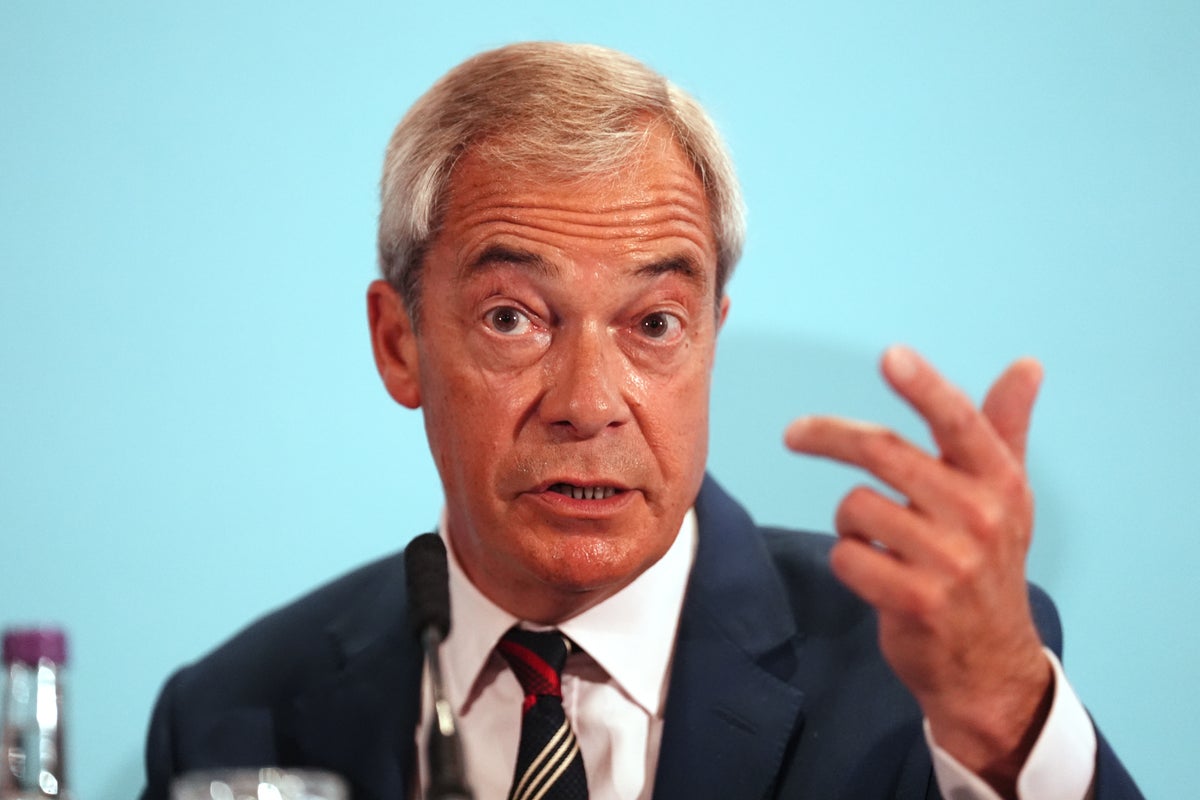
Right-wing leaders, including Nigel Farage, have attempted to link illegal immigration with increased rates of violence against women. For instance, Farage commented that Afghan migrants are statistically more likely to commit sexual offenses, citing questionable sources to back these claims.
Critics have pointed out that such rhetoric is unfounded and contributes to a climate of fear rather than addressing the root causes of violence. Shadow justice secretary Robert Jenrick has also made alarming statements regarding the impact of asylum seekers on women’s safety in the UK.
Implications for Society
Experts argue that scapegoating vulnerable populations for complex social issues does not create safer communities. Instead, it diverts attention from the need for comprehensive solutions that address the realities of violence against women. This perspective is echoed by various charity leaders, who stress the importance of treating refugees with dignity and understanding.
Conclusion
The open letter serves as a unified stand against the misuse of sensitive topics to incite division and fear. It calls for a more responsible approach to discussions about migration and violence, underscoring that compassion and factual discourse should guide public dialogue.
