


Debate on Abortion Laws in the UK as Nigel Farage Proposes Changes
The discussion regarding abortion access in the UK has intensified following remarks from Nigel Farage, the leader of Reform UK. Farage has criticized the current allowance for abortions up to 24 weeks, labeling the law as outdated and suggesting that significant changes are necessary.
Reactions to Farage’s Comments
Farage’s statement has drawn immediate backlash from various MPs and advocacy groups who argue that changing the abortion time limit lacks clinical justification. The British Pregnancy Advisory Service (BPAS) and numerous charities have cautioned that such amendments could severely impact women’s health and access to care.
- Stella Creasy: A Labour MP, Creasy characterized Farage’s views as reminiscent of U.S. political strategies aimed at undermining reproductive rights, emphasizing that they could impose undue hardships on women seeking abortions.
- Tonia Antoniazzi: Another Labour MP, Antoniazzi is pushing for amendments to decriminalize abortion, arguing that current laws disproportionately affect vulnerable women.
- BPAS Statement: Spokesperson Katherine O’Brien indicated that no medical expertise supports the notion of reducing the abortion limit, stressing that any change could lead to dire repercussions for women.
Concerns Over Abortion Access
Critics of Farage’s stance underline that the majority of abortions occur well before 20 weeks, and restricting access could exacerbate difficulties for those facing complex medical situations or personal crises. Advocates argue that abortion should remain a personal choice, free from political interference.
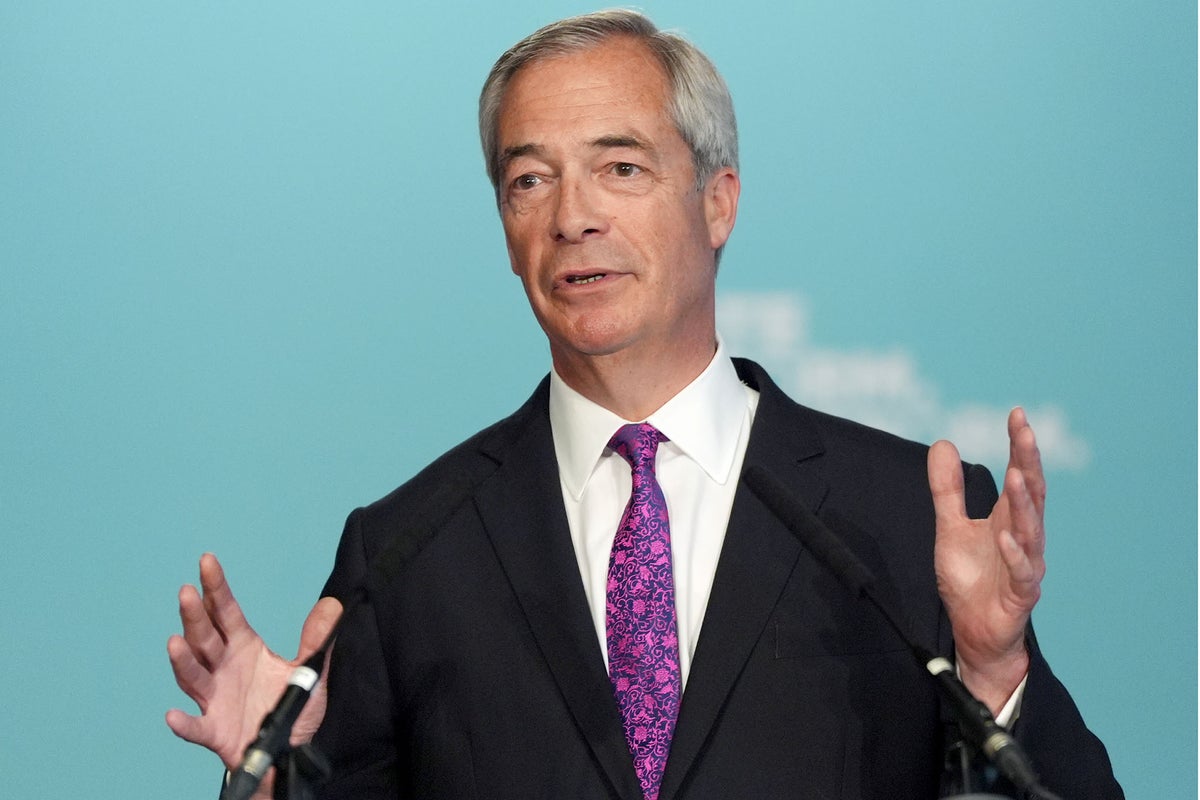
During a press conference, Farage stated, “I am pro-choice, but I think it’s ludicrous, utterly ludicrous that we can allow abortion up to 24 weeks.” His remarks suggest a belief in inconsistency within current laws, particularly juxtaposed against the care offered to premature infants.
Political Implications and Future Actions
The context of this debate is set against a backdrop of increasing activism and organizing among anti-abortion groups in the UK. MPs like Stella Creasy have introduced proposals aimed at safeguarding abortion rights in light of these developments, emphasizing the necessity for protective legislation regardless of the political landscape in future elections.
The pressing question remains: How will public opinion shape this ongoing discourse, and what role will MPs play in legislating on reproductive rights? With nearly one in three women in the UK expected to have an abortion in their lifetime, the dialogue surrounding these rights continues to be of paramount importance.
Conclusion
As the debate unfolds, it is clear that the future of abortion rights in the UK is intricately linked to broader political dynamics and societal attitudes toward women’s health. The implications of any changes to current laws could profoundly affect access to safe and legal abortion services across the nation.
