


Nigerian Women Athletes: Achievements and Challenges
Nigerian women are achieving remarkable success in sports, particularly in basketball and soccer, yet they confront significant challenges, including disparities in compensation and management issues. As they shine on the continental stage, these athletes navigate a complex domestic landscape marked by the risk of reprisal for speaking out against injustices.
Recent Triumphs
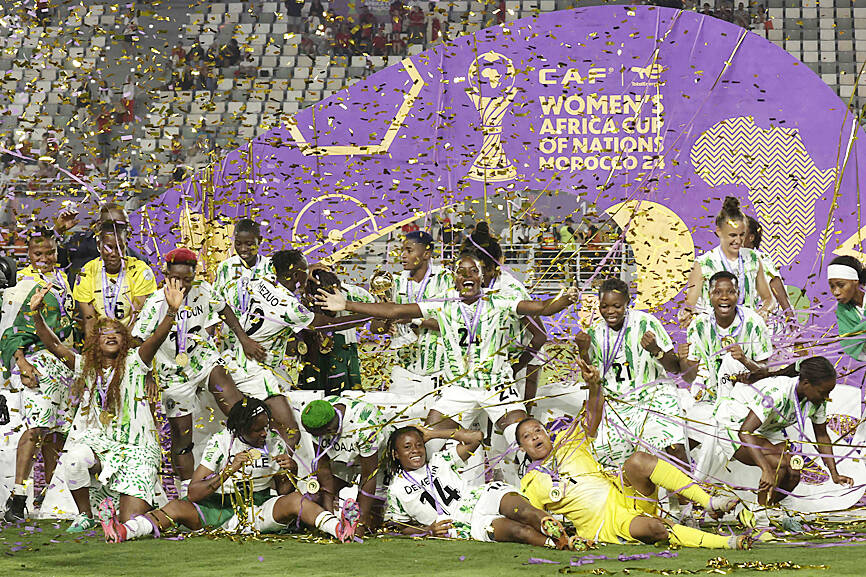
Recently, Nigeria’s women’s national basketball team celebrated their fifth consecutive championship victory at the Women’s AfroBasket tournament, while the Super Falcons secured their tenth title at the Women’s Africa Cup of Nations (AFCON) soccer tournament. These accomplishments further solidify their reputation as some of the top teams on the African continent.
Compensation Challenges
Despite their successes, female athletes face financial hardships. Salaries are often linked to match bonuses, which fluctuate based on performance, rather than a consistent wage. Additionally, delays and non-payment of these bonuses have plagued both the Super Falcons and the women’s basketball team for years.
While the women receive training allowances, the instability surrounding match bonuses raises concerns about equitable treatment compared to their male counterparts.
Photo: AFP
Political Climate and Fear of Repercussions
The political context surrounding women in sports can complicate athletes’ willingness to speak out about their treatment. After the Super Falcons returned from their recent victory in Morocco, players refrained from addressing compensation issues during press interactions with Nigerian President Bola Ahmed Tinubu, citing the potentially contentious nature of the topic.
Journalists present noted that discussing pay equality might lead to negative repercussions for athletes. As Solace Chukwu, a senior editor at Afrik-Foot Nigeria, stated, “If you speak up against what’s going on, you completely lose the possibility of getting what you’re entitled to; you could actually be blacklisted.”
Past Protests
Instances of pushback have occurred, most notably when basketball players protested unpaid bonuses in 2021, demanding accountability from the Nigerian Basketball Federation, which attributed the issues to clerical errors. Such protests signal a broader frustration with systemic mismanagement and insufficient recognition of female athletes’ contributions.
Success Stories Amid the Struggles
Despite these challenges, the Super Falcons have a rich history of achievement, aided by early investment in women’s soccer that set the foundation for success. The team dominated the WAFCON from its inception in 1991 until 2006. Presently, players have voiced aspirations for improvement via better facilities and greater support from authorities. Aisha Falode from the Nigerian Football Federation emphasized, “Invest in the facilities, invest in the leagues and the players, because the women’s game can no longer be taken lightly.”
Inspiring Future Generations
The resilience of these athletes serves as a beacon of hope for younger generations. Justina Oche, a 16-year-old soccer academy player in Abuja, remarked, “They say what a man can do, a woman can do even better.” Inspired by the successes of players like six-time African Footballer of the Year, Asisat Oshoala, Oche dreams of contributing to the future of women in sports.
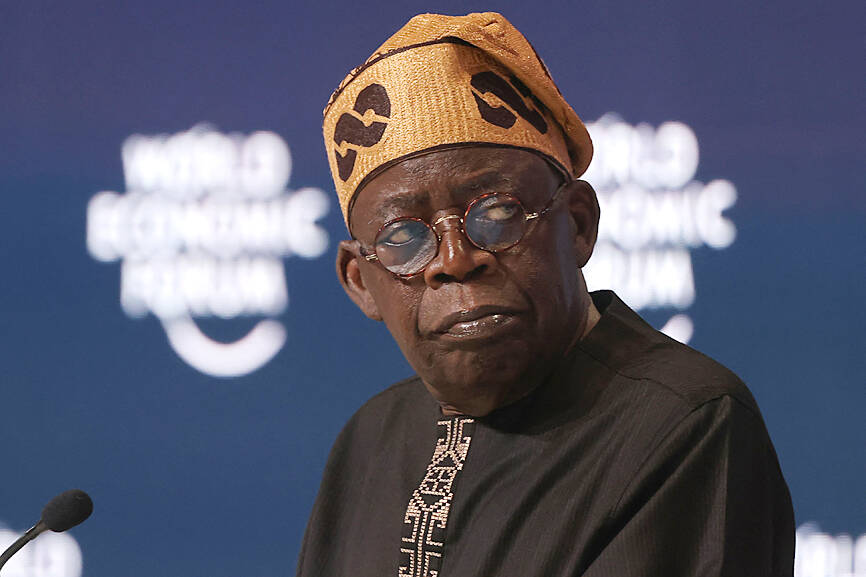
Photo: AFP
Conclusion: A Path Forward
The trajectory of Nigerian women in sports embodies both triumph and adversity. While they garner accolades on international stages, the systemic challenges they encounter present steep obstacles. Addressing compensation disparities and improving support systems are critical for nurturing the future of women’s sports in Nigeria. As they continue to break barriers, the potential for growth and recognition remains boundless.
