


Women in Men’s Golf: A Historical Overview
In the world of golf, female athletes possess their own set of prestigious tournaments, including the Chevron Championship, Evian Championship, US Women’s Open, Women’s PGA Championship, and the Women’s Open. However, a pressing question arises: Can women compete in the men’s major championships?
This article explores the regulations, historical precedents, and future possibilities regarding female participation in men’s golf majors.
Historical Female Participation in PGA Tour Events
While rare, women have participated in PGA Tour events throughout history. Babe Zaharias made headlines in 1938 by becoming the first woman to take part in a PGA event. She also remains the only female player to have made the cut in such a tournament, achieving this in 1945.
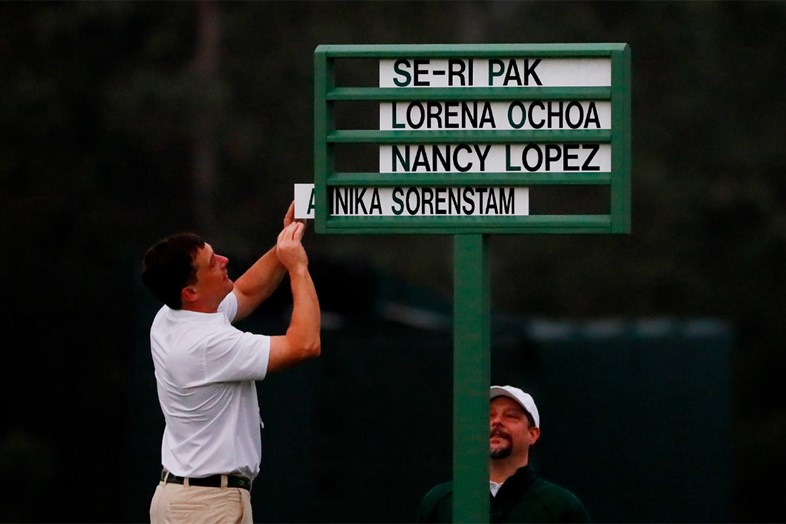
Decades later, in 2003, Annika Sorenstam participated in the Bank of America Colonial, furthering the dialogue about women’s roles in men’s events. Additionally, Michelle Wie played in several PGA Tour competitions, becoming notable for shooting a sub-par round.
Eligibility for Women in Men’s Majors
While women are technically eligible to compete in men’s majors, doing so remains extraordinarily challenging. Since 2006, The Open Championship has opened its entry process to female golfers, allowing participation in all four men’s majors: The Masters, US Open, PGA Championship, and The Open.
Challenges Preventing Women’s Participation
The most significant barrier to female golfers entering men’s majors is the qualifying process. Most qualifying positions are filled through exemptions tied to performances in certain tournaments, world rankings, or prior victories in major championships. Since women generally do not compete in men’s tour events or the amateur competitions that provide these exemptions, access becomes limited.
For instance, a female player aiming to qualify for The Open would need to achieve a top-five finish in an LPGA major and subsequently navigate regional and final qualifying stages.
Annika Sorenstam acknowledged the difficulty, stating, “It would take a really extraordinary woman, no doubt about it,” to successfully maneuver this financial and logistical gambit—all while managing a demanding schedule for other major championships like the Women’s PGA Championship, which occurs on dates close to the qualifying rounds for The Open.
Men in Women’s Majors: A Different Scenario
Unlike the situation for women, men are not permitted to compete in any of the five women’s majors, as those events are exclusively sanctioned by the LPGA.
The Future: Possibilities for Women Competing in Men’s Majors
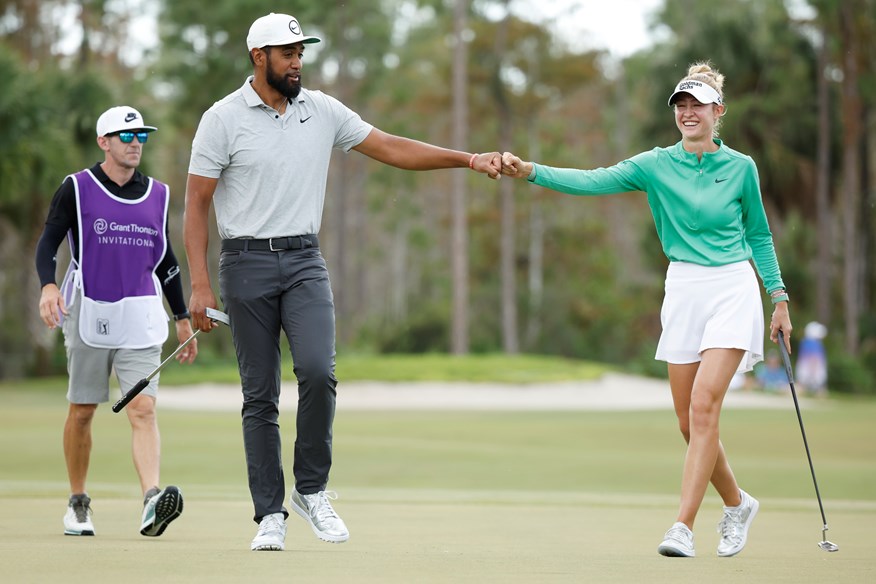
While the participation of a woman in a men’s major has yet to occur, it remains a distinct possibility. A top LPGA player such as Nelly Korda, Rose Zhang, or Lydia Ko could potentially qualify by navigating men’s amateur pathways or receiving a rare special exemption.
Despite the rising skill level within the women’s circuit, the issue of driving distance persists. Generally, the longest hitters on the LPGA Tour average below 290 yards, a distance shorter than many of their male counterparts on the PGA Tour. Most courses for men exceed 7,000 yards, significantly longer than the average LPGA Tour layout of approximately 6,400 yards, thereby complicating performance across four rounds.
Conclusion
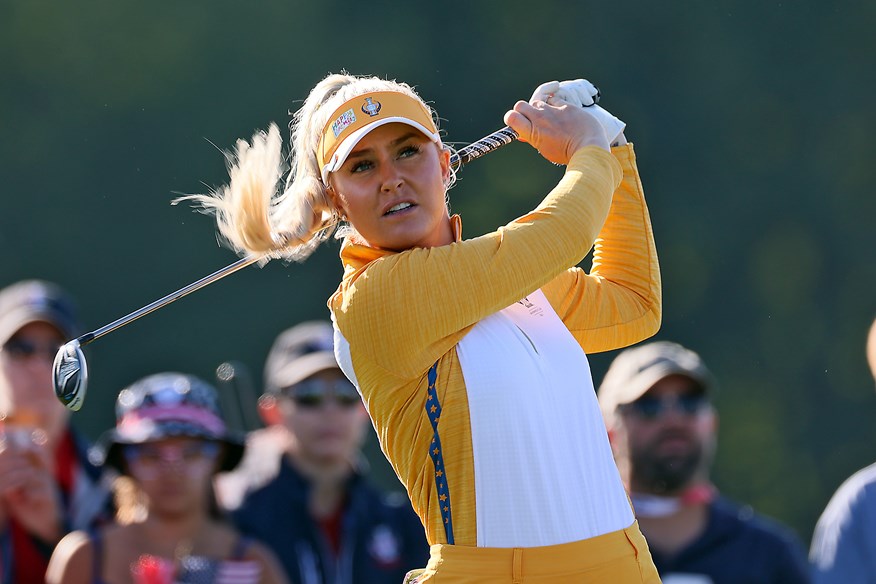
No woman has yet competed in a men’s major championship, but the regulations do not prohibit them. The path is clear, albeit narrow. With the ongoing advancements in women’s golf and growing discussions about inclusivity, the arrival of a female contender in a men’s major seems a matter of when, not if. The moment this milestone occurs will undoubtedly be among the most significant announcements in the sport’s history.
About the Author

Contributing Editor, offering sharp insights and occasional humor on golf topics.
