


Contemporary Feminism: Navigating Identity and Social Issues
The Rise of Conservatism in Liberal Democracies
In recent years, a noticeable increase in conservative views regarding sexuality and gender roles has emerged in liberal democracies. This shift has coincided with growing divisions among feminists regarding trans women and their roles within the feminist movement.
Defining Womanhood: A Complex Discussion
Amneris Chaparro emphasizes that womanhood extends beyond mere biological characteristics or personal experiences. The discourse surrounding feminism often hinges on the question, “What is a woman?” Chaparro argues for the recognition of marginalized identities, notably trans women, who have endured significant societal violence and discrimination.
“What do we do with trans women who come to feminism deeply wounded, victims of violence marked on their bodies?” she asks, highlighting the urgent need for a broader definition of womanhood that transcends biology.
The Identity Crisis in Feminism
Ivabelle Arrollo notes the current social crisis regarding gender identities. The fluctuating definitions of being a man or woman often conflict with traditional views that favor stability and clarity. This situation has led to a resurgence of conventional femininity, with some advocating that women’s fulfillment can be found in domestic roles.
The tension extends to discussions surrounding political power and women’s rights, questioning whether feminism should focus primarily on bodily autonomy or broader human rights issues. Issues such as wage equality and social support systems are crucial as the rise of illiberal movements seeks to enforce traditional gender norms.
Debates on Sex Work: Rights vs. Abolition
The discourse on sex work reveals a split within feminist frameworks, with some advocating for abolition while others argue for regulation and recognition of rights. Chaparro articulates that the abolitionist perspective seeks to eliminate sex work, often viewing it through a lens of exploitation and power dynamics.
Conversely, the regulationist stance seeks to legitimize sex work, ensuring the rights and safety of workers. “In Mexico City, it was decided to legalize sex work as a job, which prevents those who engage in it from being persecuted,” she notes, illustrating the need for a nuanced understanding of the issue beyond a binary stance.
Surrogacy: Ethics and Rights
The conversation around surrogacy also raises ethical questions. Chaparro points out that the commodification of women’s bodies can lead to exploitation, particularly among marginalized groups. She argues that the act of giving birth is not merely biological but constitutes a complex social practice that requires deeper consideration.
Arrollo echoes this sentiment by advocating for the protection of individual rights through legislation rather than outright bans, emphasizing the importance of safeguarding against industry abuse while allowing individuals their agency.
Addressing Underlying Social Inequalities
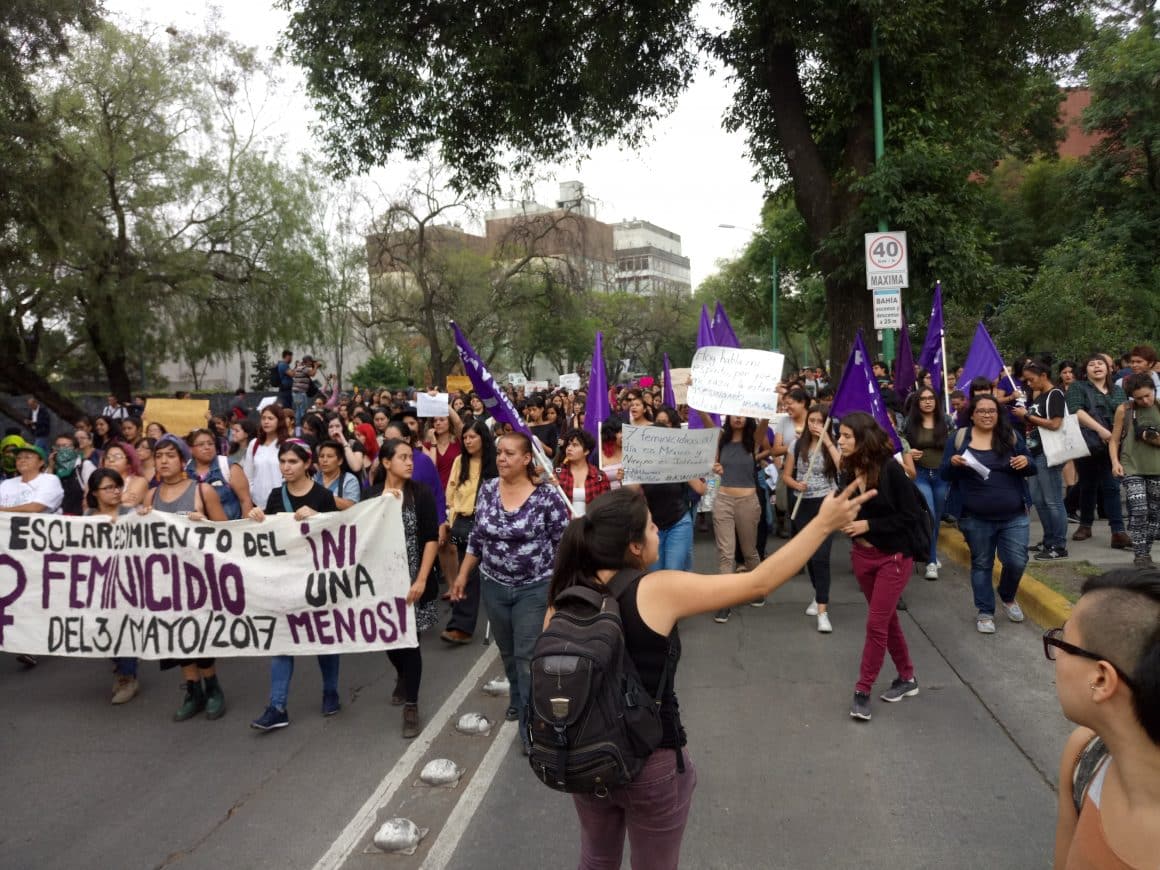
Despite the focus on physical autonomy and bodily issues, both Chaparro and Arrollo agree that systemic factors like poverty and violence significantly shape women’s realities. Violence against women, including femicide, remains a critical concern linked to societal structures rather than isolated incidents.
Chaparro notes the need for grassroots organizing to combat these deep-seated issues, while Arrollo provides insights on the legislative measures that have proven ineffective against rising violence and impunity.
Government Policies: Clientelism vs. Genuine Support
The effectiveness of government initiatives aimed at alleviating poverty among women is another contentious topic. Chaparro reflects on past programs that recognized domestic work but were criticized for lacking rigorous evaluations to measure impact.
“Direct transfers are clientelistic: they do not eliminate the gender gap because they are not designed to do so,” Arrollo asserts, warning that such policies often fail to address the deeper issues of inequality, including wage disparities and public support for childcare and care work.
Conclusion: The Path Forward for Feminism
The current landscape of feminism is marked by evolving discussions on identity, rights, and social justice. As conservatives promote traditional gender structures, feminists face the challenge of addressing these complex issues cohesively. Through open dialogue and a focus on both individual rights and communal social structures, feminism can respect diversity while advocating for fundamental human rights.
