


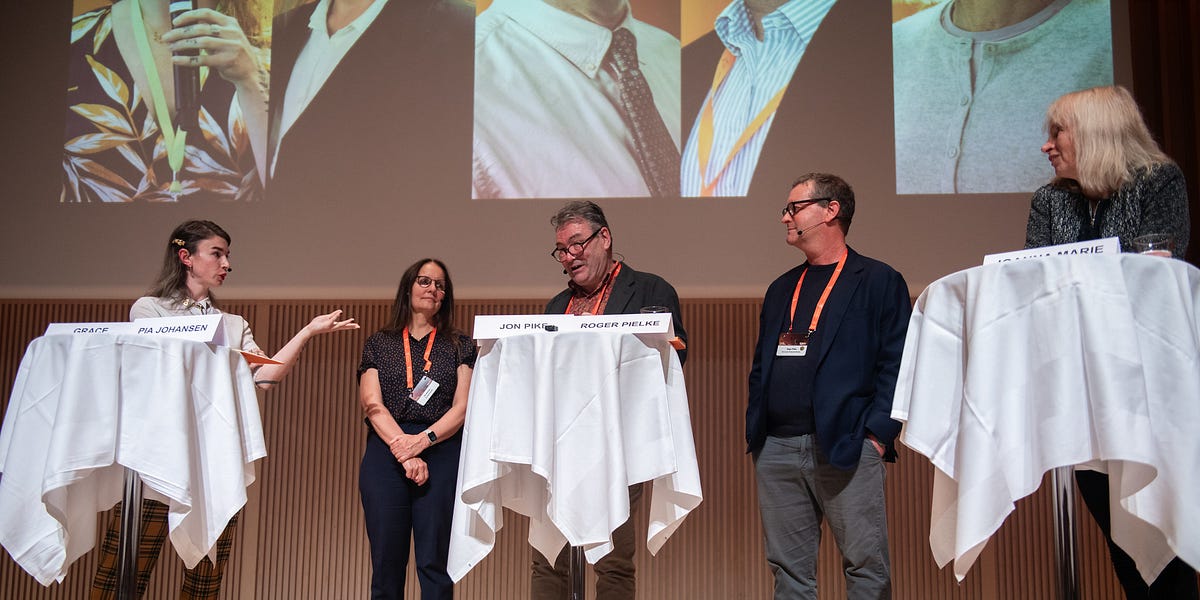
Transgender Athletes in Women’s Sports: A Comprehensive Overview of the Recent Debate
The debate surrounding the inclusion of transgender athletes in women’s sports is an ongoing and contentious issue that has garnered significant attention recently. A notable discussion took place at the Play the Game 2025 conference in Tampere, Finland, featuring key voices in sports, ethics, and human rights.
Background and Context
On the evening of October 6, the auditorium filled with a diverse audience of journalists, athletes, and academics eager to engage in what many described as the “main event” of the conference—a debate focused on trans athletes’ participation in sporting events. Central figures included:
- Grace McKenzie: A trans woman athlete and advocate from the “Rugby For All” movement.
- Joanna Marie Harper: A researcher specializing in trans athletes.
- Pia Johansen: A member of European Aquatics.
- Jon Pike: A philosopher and critic of trans inclusion in women’s sports.
- Roger Pielke: A senior fellow at the American Enterprise Institute, offering a nuanced perspective.
The Debate: Key Points
The session unfolded with each panelist delivering three-minute opening statements. McKenzie began by gauging the audience’s awareness of trans athletes, which highlighted the personal nature of the topic for many present. Her testimony regarding the ramifications of recent bans on trans women in sports was particularly poignant, reflecting the emotional stakes involved.
Next, Pike outlined philosophical arguments against the inclusion of trans women in women’s sports. He has been influential in shaping exclusionary policies within multiple sports organizations. His central claim revolves around the idea that any physical advantage must be considered unfair in a competitive context.
Contradictory Perspectives
Following Pike, Harper presented a counterargument emphasizing physiological changes that accompany hormone therapy for trans women, suggesting that these changes can mitigate any perceived advantages. She advocated for a case-by-case assessment based on individual athletes’ circumstances.
Pielke further enriched the discussion with comparisons to athletes using prostheses in the Olympics, challenging the notion that trans participation is as threatening as often portrayed. He referenced statistics showing that out of 76,000 Olympians since 2000, only three were transgender, suggesting that concerns over fairness may be overstated.
Confrontation and Discourse
The debate experienced moments of high tension, especially as Pike grew increasingly flustered by the counterarguments. His remarks often strayed from logical reasoning into personal attacks against McKenzie and the audience, ultimately failing to substantively address the points raised by his co-panelists.
Despite efforts to maintain decorum, Pike’s misgendering of McKenzie and dismissive comments led to audience outbursts, highlighting the emotional weight of the subject matter. Stanis Elsborg, who moderated the session, adeptly navigated these moments to steer the conversation back on track, emphasizing the importance of respectful dialogue.
Reflections on the Debate
The outcome of the debate left a lasting impression on attendees. Many expressed gratitude for the opportunity to confront difficult questions in an open environment. For McKenzie, the experience was particularly cathartic as it allowed her to directly address the ideas that curtailed her professional aspirations.
In the aftermath, Pielke reflected on his motivations, stating, “I just don’t like bullies.” This sentiment resonated deeply, emphasizing the ongoing struggle for equity and acceptance within competitive sports.
Conclusion
This debate serves as a microcosm of the broader societal discussion on trans rights in sports. It illustrates the value of structured dialogue, even regarding contentious issues, as a means to facilitate understanding and dismantle misconceptions. Forums like these can reveal both the strength and weaknesses in opposing viewpoints, advocating for an ongoing commitment to respectful discourse for the benefit of all athletes.
For those interested in watching the entire session, it is available for viewing here.
Join the conversation on this critical issue, and consider supporting independent journalism to keep these discussions alive.
