


Arab Women’s Representation in ICT: A Deep Dive
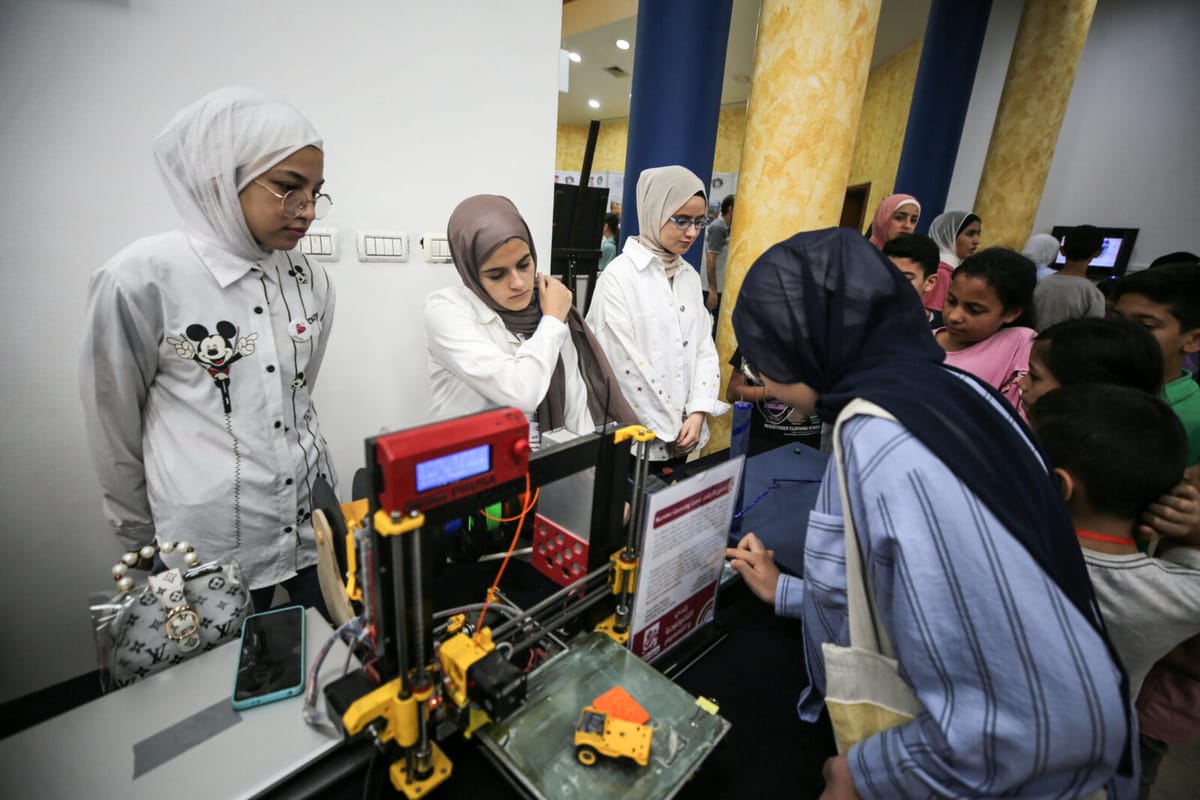
Arab women are making considerable strides in Information and Communication Technology (ICT) fields, showing a noticeable presence compared to women in the United States and much of Europe. According to UNESCO data, six of the ten countries with the highest percentages of female ICT students are located in the Arab world.
Understanding the Gender-Equality Paradox
The phenomenon of Arab women’s participation in ICT has drawn attention from researchers, leading to discussions surrounding the “gender-equality paradox.” This term was introduced in a 2018 study published in Psychological Science, which suggested that women may pursue STEM fields more actively in regions perceived to have less gender equality. The study concluded that limited life prospects could motivate girls to strive for careers in higher-paying STEM sectors.
However, relying solely on flawed indicators of gender inequity overlooks the diverse experiences of women across different contexts, thereby reducing their agency in choosing career paths.
Research Insights from Arab Women in Computing
To further investigate the success of Arab women in computing, a team of researchers conducted a targeted survey involving 521 participants connected to the Arab Women in Computing organization. This demographic spanned 17 Arab nationalities, complemented by in-depth interviews with 27 women at various career stages.
Rather than focusing exclusively on economic opportunity, the study revealed that motivations such as personal growth, independence, and a commitment to societal improvement drove many women to pursue careers in technology.
Global Educational Trends in STEM
Female students in the Arab world have consistently outperformed their male counterparts in global standardized math and science assessments. Noteworthy exams, including the Trends in International Mathematics and Science Study (TIMSS) and the Programme for International Student Assessment (PISA), reveal significant gendered patterns in favor of girls across many Arab nations.
For instance, during the 2019 TIMSS, among the 68 countries tested, girls in eight Arab countries outperformed boys in eighth-grade science. In mathematics, this was the case for girls in five Arab nations. This trend extends to post-secondary education, where Arab women are enrolling in STEM degrees at rates surpassing global averages, defying statistics seen in OECD countries.
Factors Influencing Arab Women’s Choices in Workforce
Despite facing low overall female employment rates in the region, those with higher education levels exhibit significantly better participation in the workforce. For example, while the overall labor force participation for Arab women stands at 18 percent, those with post-secondary education show participation between 24 percent to 74 percent, depending on the country.
Many women expressed that a genuine interest in technology, alongside the necessity of securing employment, motivated their career choices. Interviewees cited personal agency as a primary factor in their fields, with family encouragement also playing a pivotal role in their success. For instance, tech entrepreneur Amira shared that her father motivated her to take computer science classes, emphasizing the future of the industry.
Challenges Encountered in Professional Environments
Women in tech face various challenges, including navigating workplace discrimination and negotiating salary issues, stemming from traditional gender norms. Many reported instances of being underestimated due to their gender or encountering biased attitudes from clients and colleagues.
Throughout these experiences, however, many Arab women maintain a positive perspective, often attributing their success and resilience to their commitment and passion for technology. They also underline the importance of mentorship in overcoming obstacles, with several taking active roles in guiding younger generations of women in tech.
Conclusion: Reversing Paradigms of Gender Dynamics
The narratives of Arab women in STEM challenge traditional concepts of gender roles in the workforce. The numerous successes and motivations of these women provide important insights for understanding educational and professional outcomes—not just in the Global South, but globally. By exploring their choices and experiences, we can glean critical lessons that reshape our understanding of gender dynamics in technology.
Sources
[1] Gijsbert Stoet and David C. Geary, “The Gender-Equality Paradox in Science, Technology, Engineering, and Mathematics Education,” Psychological Science 29/4 (2018).
[2] World Bank, “Labor force participation rate, female (% of female population ages 15+) (modeled ILO estimate),” Accessed May 10, 2025.
