


Empowering Women in Sports: Insights from NJCAA Region 19
The National Junior College Athletic Association (NJCAA) Region 19 is dedicated to fostering opportunities for women’s sports across 26 two-year institutions in New Jersey, Delaware, and eastern Pennsylvania. During the academic year 2024-2025, this region recorded a notable increase in female student-athlete participation, with 999 participants competing across 10 sports and forming a total of 104 women’s teams. This marks a significant rise from 855 female athletes in the 2021-2022 school year—a 17% boost in engagement.
Continued Commitment to Women’s Sports
Despite these advancements, the journey is far from complete. To further support women’s athletics, Region 19 has allocated funds to emphasize the role of women in sports during the upcoming academic year. A highlight of this initiative will be the Region 19 National Girls and Women in Sports Day celebration, scheduled for early February 2026. This event aims to recognize and honor female student-athletes throughout the region.
The Importance of Women in Intercollegiate Sports
Supporting female athletes is essential not just for promoting gender equality, but for numerous intrinsic benefits that extend to students, educational institutions, and the broader community. Here are some key advantages:
- Empowerment and Confidence: Engagement in sports acts as a catalyst for self-esteem and resilience, helping female athletes cultivate a positive self-image that benefits their personal and professional lives.
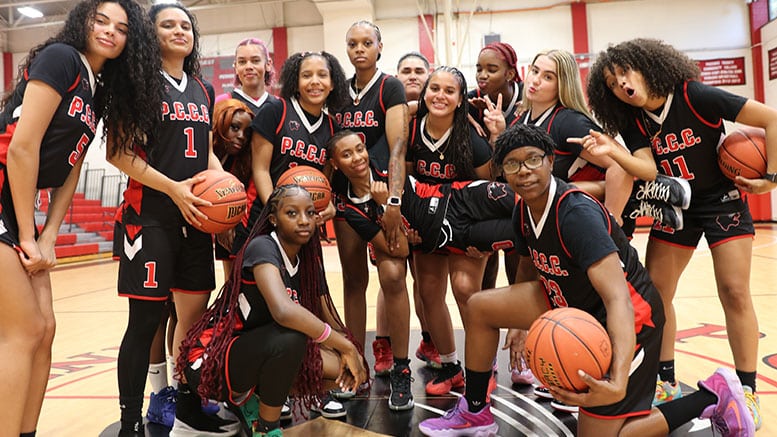
- Academic Achievement: Research indicates that student-athletes often achieve higher academic performance than their non-athlete peers. For instance, female student-athletes at Passaic County Community College (PCCC) demonstrated a cumulative GPA nearly a quarter point above the general student population during the 2024-2025 academic year.
- Health Benefits: Regular participation in sports promotes healthier lifestyles among women, significantly lowering the risks associated with chronic diseases such as obesity and heart complications. Furthermore, sports can contribute positively to mental health by alleviating stress, anxiety, and depression.
- Leadership and Teamwork: Team sports provide a foundation for developing critical leadership and teamwork abilities. Female student-athletes often emerge as effective communicators and leaders—skills that enhance their career prospects.
- Breaking Stereotypes: Advocating for women’s participation in sports challenges traditional gender roles and promotes equality, inspiring future generations to pursue their passions without limitations.
Community and Institutional Benefits
When community colleges invest in women’s sports, they contribute to a culture of pride and cohesion within both the institution and its surrounding community. Programs like the women’s volleyball team at PCCC actively engage local youth through volleyball clinics, reinforcing a sense of sportsmanship and community. Successful athletic programs can bolster student enrollment, enhance school spirit, and elevate institutional reputation while fostering community involvement.
Scholarships and Career Opportunities
Participation in intercollegiate sports can pave the way for scholarships and career advancements for female athletes. Many PCCC students have successfully transitioned to four-year institutions such as Saint Elizabeth University and Montclair State University, continuing their academic and athletic journeys. Athletic scholarships can significantly lower the barriers to higher education, while the skills learned through sports provide valuable experience applicable across various career fields.
Conclusion
Promoting women’s participation in community college athletics extends beyond sporting excellence. It empowers women, fosters educational success, enhances health, and advances gender equality. By investing in these programs, community colleges can make a lasting, positive impact on both their students and the wider community. It is crucial to continue championing female athletes, providing them with the resources and opportunities needed to thrive.
