


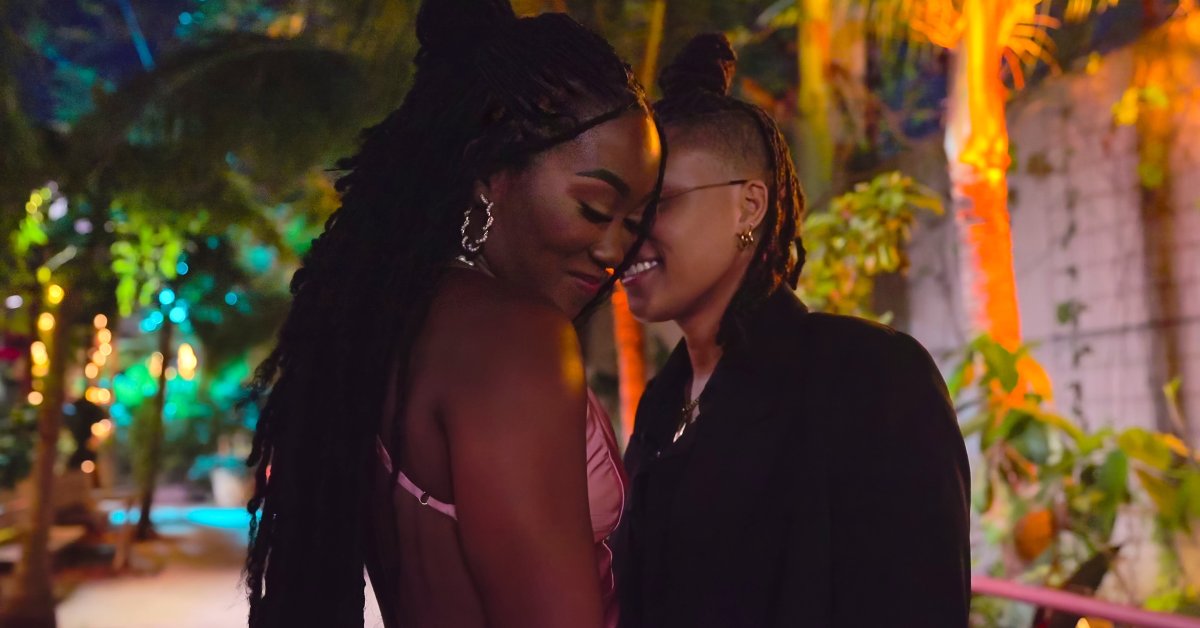
The Ultimatum: Queer Love and the Representation of Queer Relationships
Historical Context of Gender in Gay Culture
The portrayal of “gay” culture has often been predominantly male-focused, despite the term itself being inclusive. Historically, spaces such as gay bars have been distinctly separate from those catering to women or lesbians. This cultural framing has marginalized women’s experiences, often leading to their underrepresentation in discussions about queer identities.
Netflix’s Progressive Approach
In contrast, Netflix’s reality series The Ultimatum: Queer Love, in its second season, prioritizes women and nonbinary individuals without qualification. The show recognizes the breadth of what “queer” encompasses, celebrating female relationships which have often been overlooked in reality TV. Traditional dating shows, including early efforts like Boy Meets Boy and Finding Prince Charming, have largely catered to male audiences.
The Concept Behind The Ultimatum
The series, created by Chris Coelen—who also produced Love Is Blind—centers around couples facing dilemmas in their relationships. The format encourages one partner to issue an ultimatum: marriage or separation. This leads to a unique setup where participants engage in speed-dating activities, ultimately selecting trial partners before reuniting with their original ones to make a final decision.
The Motivations Behind the Format
Despite its entertainment value, the concept raises questions about relationship dynamics. The show’s approach, which echoes the sentiments of letting go to find clarity, has drawn critiques for being artificial in nature. Participants often grapple with feelings of jealousy and emotional turmoil, showcasing the inherent drama of the ultimatum process. There’s a noticeable absence of clarity on how such a structure is genuinely beneficial for participants.
Monogamy and Its Implications
A key factor influencing the show’s format is the emphasis on monogamy. Participants frequently express unease with the idea of their partners engaging with others during trial marriages, reflecting societal norms around exclusivity in romantic engagements. This dynamic is significant given that research indicates a substantial number of queer relationships operate under various forms of non-monogamy.
The Portrayal of Emotional Dynamics
Emotional discussions dominate many interactions on the show, possibly due to socialization patterns favoring women’s emotional expressiveness. In contrast, men may struggle to articulate feelings as freely, leading to a different dynamic. As identified by psychologist Walt Odets, societal norms restrict males from showing vulnerability, which could result in less overt emotional drama in hypothetical male-focused versions of the show.
The Lack of a Gay Male Perspective
Despite growing conversations around open relationships within the LGBTQ+ community, the absence of a version of The Ultimatum focusing on gay men raises questions. The disparity in monogamous expectations could contribute to this missing representation, as the exploration of jealousy and emotional confrontation may manifest differently among men socialized in contexts where emotional vulnerability is often suppressed.
Cultural Commentary and Limitations
While The Ultimatum: Queer Love shines a light on queer relationships, it simultaneously skirt around deeper political issues related to marriage within the queer community. Participants tend to focus on personal rather than political reasons for their stances on marriage. Although its title suggests a progressive agenda, many conversations remain abstract, lacking explicit discussions of the societal implications surrounding queer marriage.
