


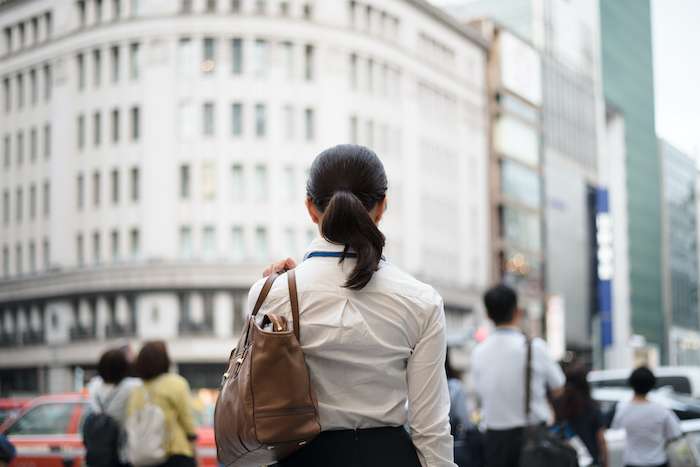
Image Credit: Monzenmachi
As Japanese society shifts towards greater independence for women in financial, emotional, and social realms, the response from men often reflects subtle resistance rather than overt acts of misogyny. This resistance manifests itself through hesitations in dating, discomfort in professional environments, and ambivalence in long-term relationships.
This article explores the perception of independent women across three vital areas: the workplace, dating, and cultural expectations regarding marriage, supported by relevant research. For privacy, names of interviewees will be modified.
Workplace Dynamics: Navigating New Terrain
The past decade has seen a notable rise in female participation in Japan’s workforce. The International Monetary Fund (IMF) reported that the female labor force participation rate among those aged 15 to 64 rose from 63% in 2012 to 74% in 2022, largely due to government initiatives aimed at improving childcare and maternity leave policies.
As of January 2025, the Organization for Economic Co-operation and Development (OECD) recorded a further increase to 77% for the same demographic. Despite this progress, workplace tension has emerged, particularly regarding communication and hierarchies, rather than issues related to capability. A 2024 My Navi Woman survey found that 34% of Japanese men described female coworkers as “scary,” with the leading concern not centered around assertiveness or performance, but rather fears of gossip and emotional unpredictability.
While this characterization may appear trivial, it underscores a broader unease with the evolving dynamics of gender within professional settings. Men may not actually fear women; instead, they contend with the complexities of navigating changing social expectations.
“Japanese workplaces are still largely dominated by older men in senior roles,” notes Kenta, a 32-year-old paralegal assistant in Tokyo. “They aren’t necessarily against women, but their perspectives can be outdated, leading to a disconnect when younger women assert themselves.”
Despite increased governmental efforts toward gender diversity in leadership, Japan ranks 125th out of 146 countries in the 2023 World Economic Forum’s Global Gender Gap Index, indicating that cultural friction plays a significant role in maintaining this gap.
Dating Landscape: Avoidance Over Confrontation
The discomfort some men feel regarding assertive women often leads to avoidance rather than direct opposition. A 2023 survey by the Cabinet Office revealed that over 50% of single men in their 20s and 30s are disinterested in pursuing romantic relationships. Primary reasons cited included the financial implications of dating, fear of rejection, and uncertainty surrounding modern gender roles.
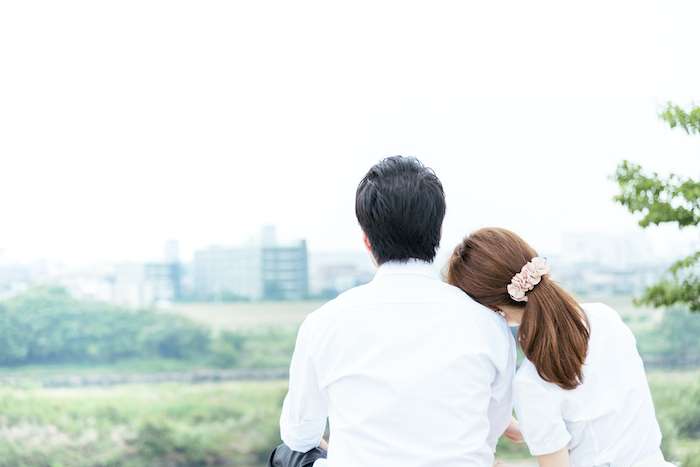
Women who are vocal about their ambitions or resist traditional roles often clash with the established image of the “ideal Japanese girlfriend,” characterized in media as nurturing and compliant. Such disparities can challenge ingrained cultural narratives.
A dating coach based in Tokyo remarked, “Some men feel emasculated when dating a woman who earns more or expresses her opinions openly. This discomfort may lead them to withdraw entirely.”
Hiro, a 35-year-old who values independence in his relationships, elaborates, “I admire women who build their careers and aren’t dependent on me. For some of my friends from rural areas, though, their traditional upbringing may hinder them from engaging with independent women who seek equality in shared responsibilities.”
Marriage and Family: Diverging Aspirations
A 2022 government survey revealed a notable disparity between the aspirations of unmarried men and women: one in three women expressed a desire to become housewives while only 20% of men sought a stay-at-home partner. This reflects a society undergoing significant change, where traditional roles are increasingly misaligned with contemporary realities.
Independent women often pursue careers or personal development rather than conforming to traditional expectations of marriage. They may delay or forgo the institution of marriage entirely, though lingering ideals can complicate their choices. Aiko, a 31-year-old earning more than her husband, shares, “I never anticipated being the primary earner. While I’m proud of my achievements, it makes family planning complex.”
She expresses concern regarding the financial implications of stepping back from her career, stating, “If we were to separate, I wouldn’t have a career to rely on. Considering the future of both myself and my child is crucial.”
Understanding Cultural Friction
The challenges described may be perceived as a “fear” of independent women, but they often arise from cultural inertia, where evolving roles have yet to align with a fast-changing society.
“In my company, the marketing team is entirely male, and often they don’t recognize my role as a senior lead. This affects how they communicate with me or even overlook my position altogether,” shares Chie, a 28-year-old web designer. “Such dynamics can undermine respect within the team, making it difficult for progress.”
Even with these challenges, Chie notes improvement: “They hired me, indicating a step in the right direction, but systemic changes will take time.” Understanding these dynamics is essential for fostering better relationships between men and women as societal roles continue to evolve.
Articles of Interest on Women’s Issues in Japan
For further exploration, consider reading:
