


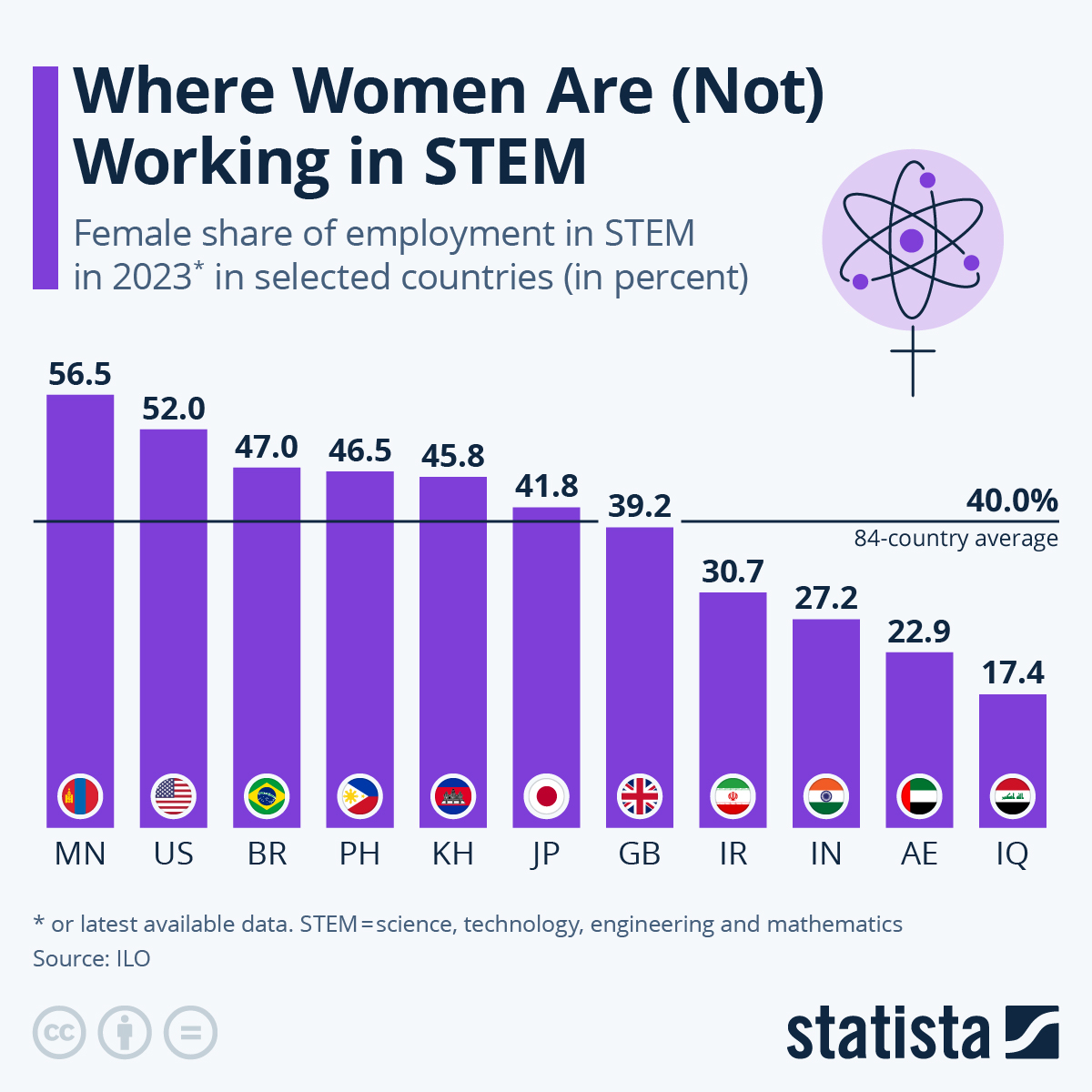
Where Women Are (Not) Working in STEM
Introduction
The fields of Science, Technology, Engineering, and Mathematics (STEM) have historically seen gender disparities. Understanding the landscape of women’s participation in these sectors can shed light on ongoing challenges and opportunities for improvement.
Current Participation Rates
Data indicates that women hold a relatively small percentage of roles in various STEM industries. For example, as of the latest statistics:
- Women constitute approximately 28% of the workforce in engineering.
- In computer science, the proportion is even lower, with women making up only about 24%.
- Mathematics and physical sciences see slightly higher figures, yet still lack gender balance, with women representing around 29%.
Industry-Specific Challenges
Different STEM sectors exhibit unique barriers to women’s participation:
- Engineering: Often perceived as male-dominated, engineering fields continue to struggle with retention and recruitment of female talent.
- Technology: Rapid advancements can create an intimidating atmosphere for women, especially in coding and tech development roles.
- Research and Academia: Gender biases in funding and publishing can hinder career progression for women in scientific research.
Stereotypes and Education
Stereotypes regarding gender roles in STEM start early, often influencing educational paths. Encouragingly:
- Programs promoting STEM for girls are growing, with initiatives in schools and communities aimed at bridging the gender gap.
- Studies show that exposure to female role models in STEM can inspire more young women to pursue careers in these fields.
Strategies for Improvement
Enhancing women’s participation in STEM requires a multifaceted approach:
- Implementing mentorship programs to guide young women through their educational and early career stages.
- Encouraging companies to develop inclusive workplace policies that support gender diversity.
- Raising awareness about the importance of diverse teams in driving innovation and problem-solving.
Conclusion
While there has been progress in some areas, significant work remains to achieve gender parity in STEM. Through concerted efforts in education, policy-making, and corporate practices, the landscape can change, enabling more women to thrive in these critical fields.
