


No Mercy: Examining Female Perspectives in Cinema
Introduction to a Distinct Narrative
Isa Willinger’s documentary, No Mercy, delves into the complexities of female filmmaking, exploring the concept of “harshness” in cinema inspired by Kira Muratova’s memorable remark. This film examines the unique perspectives that women directors bring to their work, positioning itself against the backdrop of the modern film landscape.
Film Festival Screenings and Focus
Recently premiered at Filmfest Hamburg, No Mercy is set to be screened at the upcoming Viennale in Austria and will also showcase at DOC NYC for its North American debut. Willinger’s documentary prompts essential questions: What does “harshness” signify in film and reality? Do female filmmakers possess a distinctive lens compared to their male counterparts?
Exploring Harshness and Female Filmmaking
Through a series of interviews with notable female directors—including Virginie Despentes, Céline Sciamma, and Ana Lily Amirpour—Willinger investigates the nuanced definitions of “harshness” and female cinematic expressions. The documentary intertwines personal narratives of violence with professional insights on power dynamics, showcasing how women carve out new cinematic languages.
Willinger’s Reflection on Harshness in Film
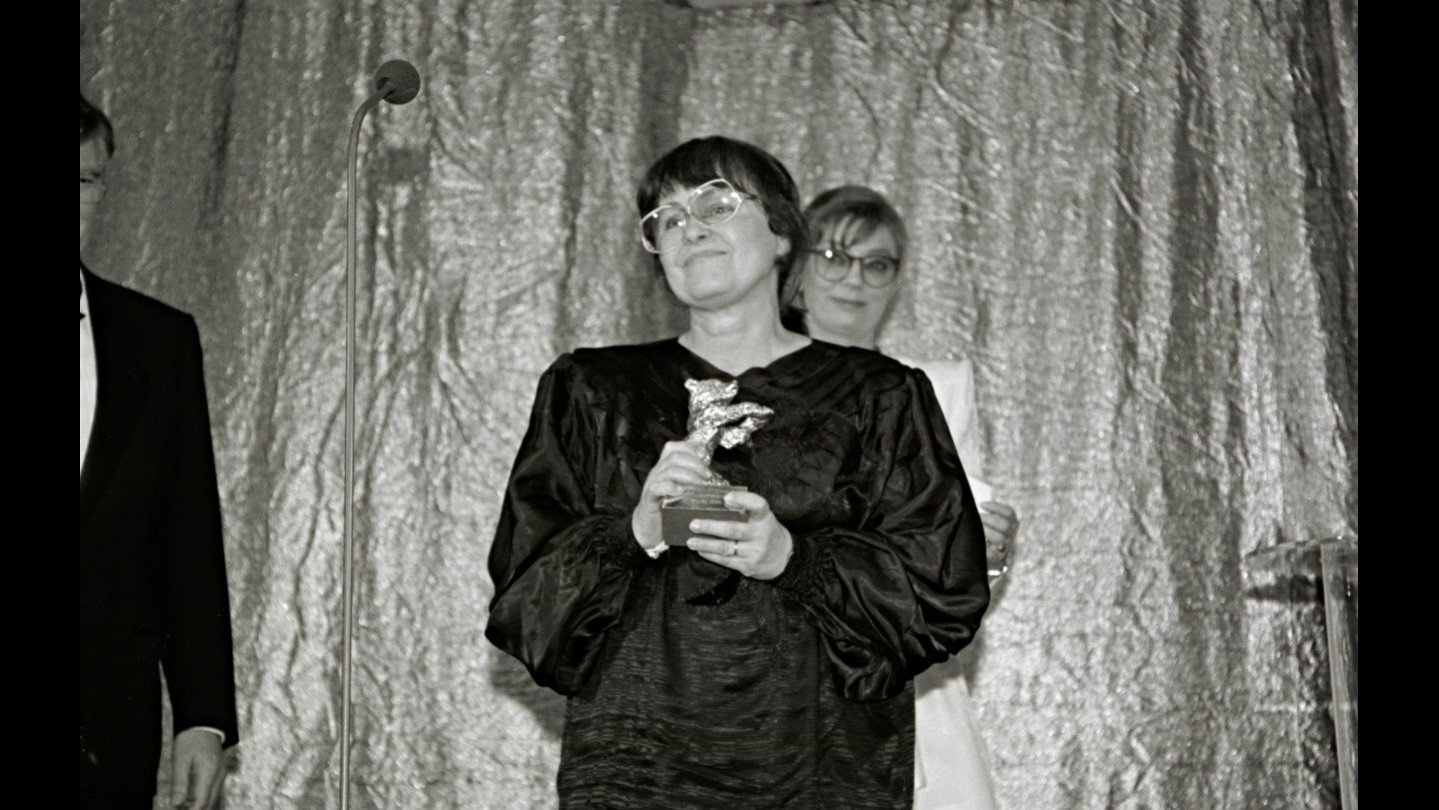
In her interviews, Willinger revisits Muratova’s observation regarding the inherent toughness in women’s cinema. Reflecting on her university days when she first encountered Muratova’s films, she recalls the profound impact they had on her understanding of female perspectives in film. The filmmaker highlights that the distinct treatment of female characters offers a refreshing, yet unexpectedly tough narrative style.
Challenges in Filmmaking Collaboration
Securing interviews from significant female directors posed challenges, as many preferred to remain behind the camera. Willinger mentions that this hesitation might be more pronounced among women, as they often exhibit a cautious relationship with public exposure.
Nuanced Perspectives on Harshness
Willinger emphasized that No Mercy does not provide a definitive answer to whether female filmmakers inherently create harsher narratives. Instead, the documentary offers varied viewpoints, tackling the subject from historical and sociological perspectives to highlight the multifaceted nature of women’s experiences in cinema.
Kira Muratova’s Legacy
Willinger draws on Muratova’s significant influence within Soviet cinema and acknowledges the difficulty in accessing her films. Despite her status as a prominent female director, the lack of widespread recognition and distribution has left her work underappreciated. Willinger cherishes Muratova’s unique blend of absurd humor and striking visual storytelling, evident in her films.
Feminism and Creative Expression
Willinger identifies as a feminist, asserting that her worldview influences her film-making, regardless of whether feminism is the explicit theme. She believes that feminist perspectives enrich narratives by reshaping characters and their portrayals.
The Impact of AI on Filmmaking
Addressing her previous work on AI, specifically in the film Hi, AI. Love Stories From the Future, Willinger expresses deep concern about AI’s implications for the filmmaking industry. She warns that advancements in AI could threaten jobs and undermine the essence of artistic creativity.
Addressing Violence through Empowerment
Importantly, No Mercy confronts the rising violence against women, using narratives of empowerment and agency. Willinger aims to shift discussions from victimization to strength and resilience, advocating for a broadened perspective on women’s experiences in media.
