


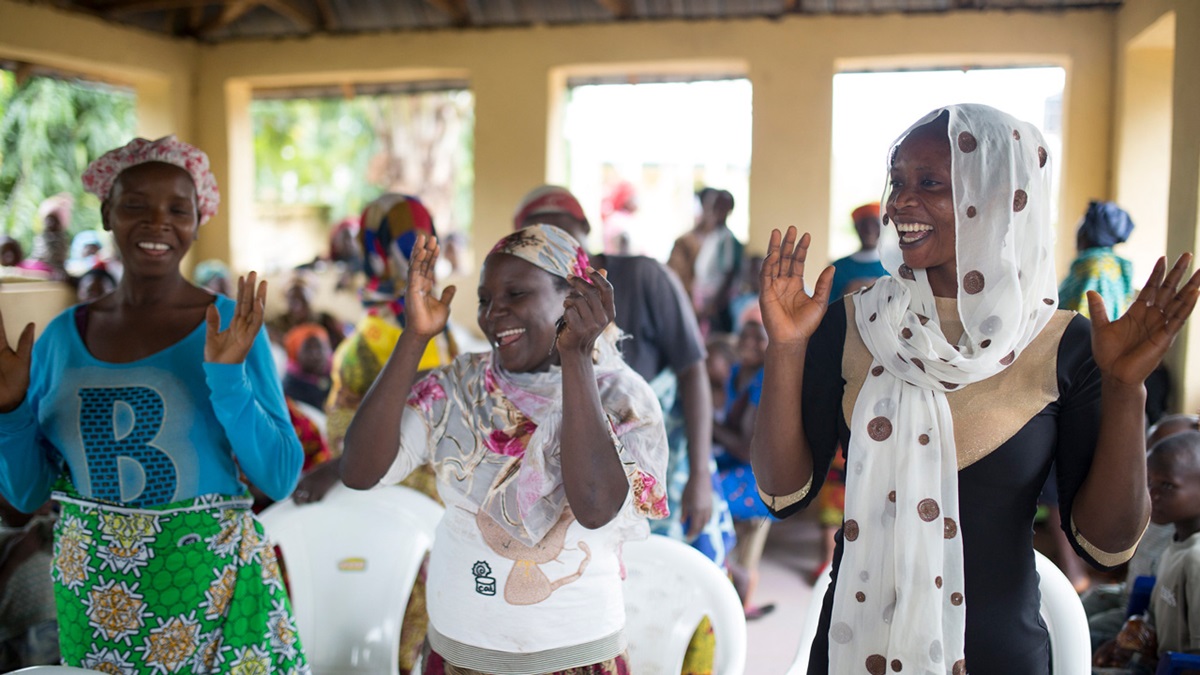
The Importance of Family Planning for Health and Development
Family planning is a fundamental aspect of reproductive health that empowers individuals to manage the number of children they have and the intervals between pregnancies. Through various contraceptive methods and infertility treatments, it enables informed decision-making regarding sexual and reproductive health. This access is a pivotal facet of broader development initiatives that aim to enhance health outcomes, promote gender equality, and facilitate educational and economic opportunities, in alignment with Sustainable Development Goal 3.7, which advocates for universal access to reproductive health care.
Benefits of Family Planning
Family planning provides a multitude of advantages, significantly contributing to personal and community well-being:
- Prevention of unintended pregnancies, particularly among adolescents, reducing health risks.
- Empowerment of women through enhanced access to education and employment opportunities.
- Support for public health initiatives, promoting economic development and gender equality.
Currently, approximately 874 million women utilize modern contraceptives, with expectations for an additional 70 million to gain access by 2030.
Challenges in Accessing Family Planning
Despite advancements, numerous barriers persist that hinder effective access to family planning services:
- Limited availability of contraceptive methods in low-resource or rural areas.
- Hurdles linked to age, income level, or marital status, which may restrict access.
- Fears regarding side effects, misinformation, and opposition arising from social or religious beliefs.
- Variable quality of health services, bias from providers, and gender inequality concerns, which may necessitate partner consent or provoke stigma.
Understanding Contraceptive Methods
A variety of contraceptive methods cater to diverse needs, each with unique advantages and effectiveness rates:
- Long-acting methods such as implants, intrauterine devices (IUDs), and sterilization are highly effective.
- Short-term methods including pills, injections, patches, and vaginal rings are effective when used correctly.
- Barrier methods like condoms not only prevent pregnancy but also provide protection against sexually transmitted infections.
- Less reliable options include fertility awareness methods and withdrawal.
Selecting an appropriate contraceptive method is contingent upon individual health, personal preferences, and specific needs, making advice from healthcare professionals essential.
Infertility and Its Implications
Infertility, characterized as the inability to conceive after one year of unprotected intercourse, affects approximately one in six adults globally. Causes vary widely, encompassing infections, medical conditions, and lifestyle factors. While both genders can be impacted, women often face societal stigma, which can lead to emotional turmoil. Addressing infertility is crucial to a holistic family planning strategy, allowing individuals to pursue parenthood without penalty from modern contraception, which does not cause infertility.
The Role of WHO in Family Planning
Universal access to sexual and reproductive health services is vital for realizing the vision of the 2030 Agenda for Sustainable Development, emphasizing that “no one will be left behind.” This requires enhanced support for contraceptive services and effective governance of related policies and programs.
The World Health Organization (WHO) is committed to improving access and use of contraceptives through evidence-based guidelines and research. This also includes developing new contraceptive technologies and optimizing how individuals receive information and services related to contraception.
Conclusion
Family planning is not merely a personal choice but a critical component of public health and sustainable development. Increasing access to comprehensive reproductive health services will continue to pave the way for improved health outcomes, economic prospects, and gender parity. Ensuring that individuals can make informed choices involves collective efforts from governments, organizations, and communities worldwide.
