


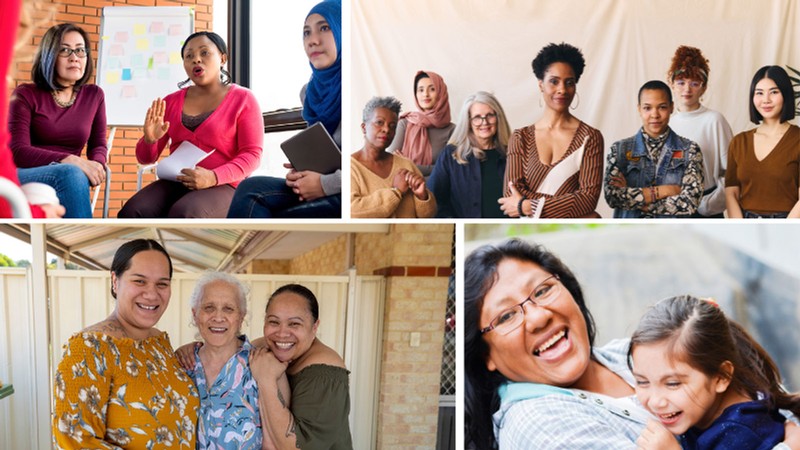
The recent research brief titled “Belonging in Utah: Findings from Community Conversations with Women of Color,” released by the Utah Women & Leadership Project (UWLP) at Utah State University, delves into the experiences of Women of Color in the Wasatch Front area. This report is the product of extensive community engagement, featuring insights from seven focus groups comprising 85 participants from various racial and ethnic backgrounds.
Research Overview
Conducted between August 2024 and May 2025, the UWLP facilitated discussions among Women of Color from diverse backgrounds including Asian, Black, Hispanic/Latina, Native American, and Middle Eastern communities, as well as two specific focus groups for Native Hawaiian/Pacific Islander women. Each session lasted two hours and revolved around five core questions related to emotional connection, community acceptance, influence, personal value, and strategies for enhancing belonging statewide.
Main Findings
The analysis of the focus group discussions surfaced three prevalent themes:
- Experiencing isolation or being “the only” in various settings.
- Feeling marginalized or overlooked by peers and larger community structures.
- The importance of building intentional, supportive relationships.
These themes reflect a shared struggle against tokenization and invisibility across educational, professional, and communal spaces, emphasizing the need for constructive community-building efforts.
Theme Insights by Group
Asian American Women
For Asian American women, feelings of belonging are closely tied to faith, cultural visibility, and education. Participants highlighted the role of shared Latter-day Saint spaces in fostering emotional connections. They noted the increasing visibility of Asian culture through local businesses and community hubs while calling for more leadership representation and inclusive environments for future generations.
Black Women
Black women described numerous challenges rooted in safety concerns and professional recognition, particularly within Latter-day Saint communities. They reported experiences of undervaluation and the pressure to excel to achieve visibility. Despite these barriers, participants emphasized community bonding, self-advocacy, and mutual support as vital for fostering a sense of belonging.
Latina/Hispanic Women
Participants articulated feelings of isolation and difficulties in navigating societal spaces, often confronting both subtle and overt exclusion. Many felt compelled to “represent” their communities while grappling with imposter syndrome. They stressed the importance of embracing their identities and advocating for themselves and others to nurture a sense of belonging through intentional relationship-building and allyship.
Native American/Indigenous Women
Native American women conveyed a profound spiritual connection to the land of Utah, viewing it as sacred. Participants expressed concerns about the care of the land and the effects of patriarchy within societal structures. They highlighted the need for representation and advocacy within both Native communities and broader societal contexts, emphasizing mentorship and empowerment for future generations.
Native Hawaiian/Pacific Islander Women
This group underscored the importance of awareness and access to resources in Utah, describing their experiences as forming an “accidental” home. They reported being viewed through cultural stereotypes while often feeling overlooked beyond their traditional contributions. Advocacy emerged as crucial to fostering belonging, with participants identifying cultural norms and gender biases as significant barriers to representation.
Conclusion
In light of the various challenges highlighted by participants, Susan Madsen, founding director of UWLP, stated, “We believe that when the unique challenges highlighted by each group are addressed… Utah will be a truly welcoming place where all individuals can thrive.”
The report also contributes to the “A Bolder Way Forward” initiative, which seeks to empower Utahns to enact change across numerous areas of focus. For further details, visit the UWLP website at utwomen.org.
