


Impact of the Taliban’s Return: Four Afghan Women Share Their Asylum Journey

Freelance reporter
30 June 2025
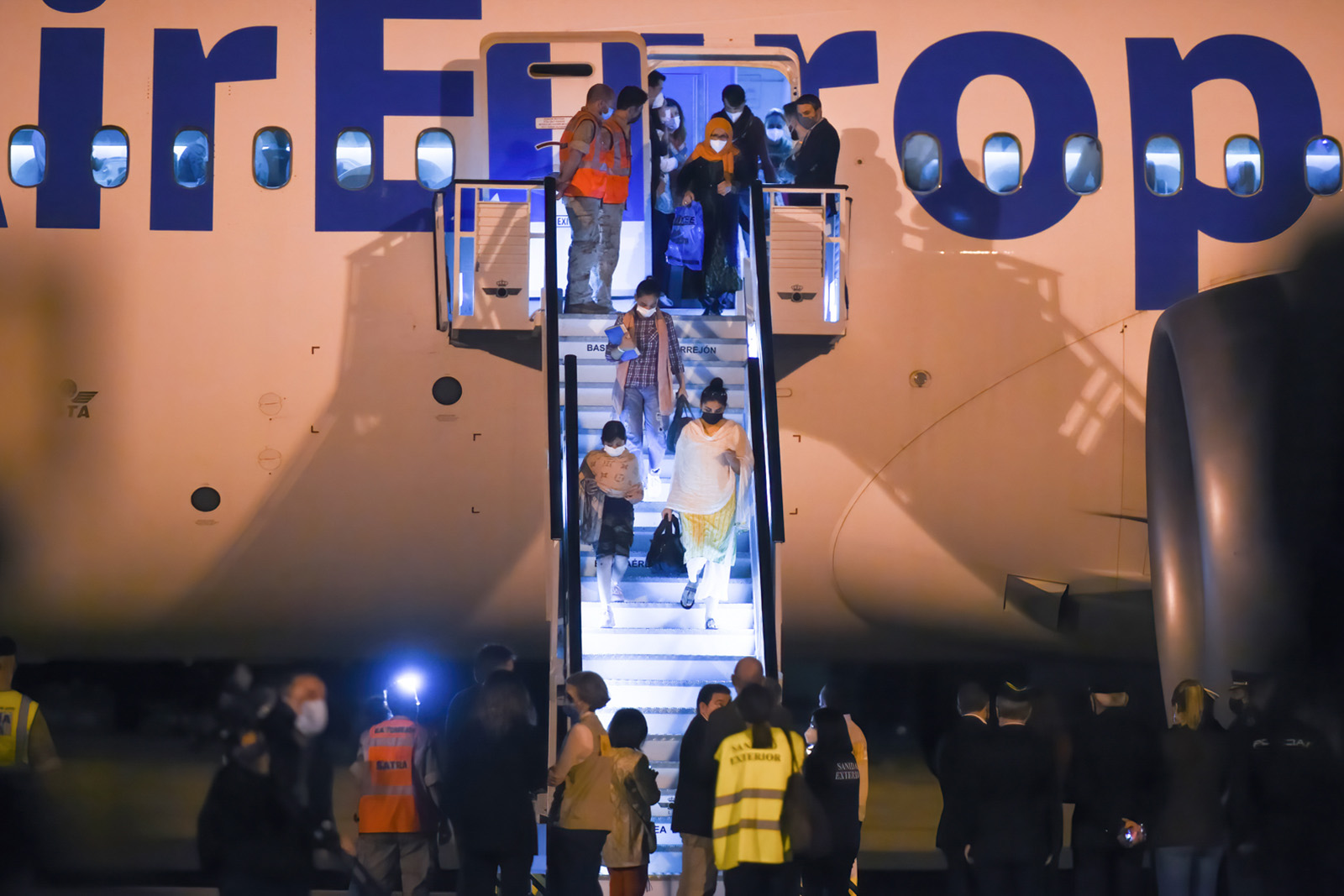
As Afghanistan fell back under Taliban rule in August 2021, the urgency for evacuation of at-risk individuals became evident. The rout of the U.S.-backed Afghan government, followed by the chaotic exit of countless Afghans, marked a profound diplomatic failure for the West, especially for European nations. This collapse highlighted systemic issues within Western strategies which had attempted to cultivate a stable governing framework in Afghanistan for over two decades.
“Despite a massive investment—estimated at $2 trillion from the U.S. and substantial contributions from the EU—efforts to secure effective governance were undermined by rampant corruption and a lack of local support,” explained Scott Lucas, a professor at University College Dublin. “Airstrikes and military operations often led to civilian casualties, fostering an environment of instability and mistrust.”
The aftermath saw women’s rights severely curtailed as the Taliban swiftly rolled back progress made during their absence. Schools for girls were shuttered, and women were effectively barred from higher education by December 2022. The Taliban’s imposition of strict gender laws led to further restrictions, including prohibitions on women working with NGOs.
In light of this deteriorating situation, 15 EU states pledged to resettle 40,000 Afghan refugees. Official EU figures suggest over 41,500 Afghans were admitted between 2021 and 2023. However, empirical data from the UNHCR indicates that only 329 Afghan refugees were resettled from a pool of over 250,000 deemed to be in urgent need. This discrepancy has been described by the International Rescue Committee as “staggering neglect.”
Hyphen spoke with four Afghan women who highlighted the challenges they faced while seeking refuge in Europe.
Zeinab’s Journey: From Kabul to France
Zeinab, a 20-year-old former art teacher, found herself trapped when the Taliban reclaimed power. Hailing from a persecuted Hazara family, her family faced immediate danger.
“Three months passed in isolation; I found safety within my walls rather than in a world that had turned hostile,” she recounted. After enduring significant financial struggles, Zeinab sought asylum in France after receiving advice from human rights activists. After an eight-month waiting period, she arrived in Paris in June 2024.
Currently living on €200 a month, she grapples with the language barrier and legal complexities of her new environment. “Navigating this system alone has been challenging; my experience at a food bank was particularly disheartening,” she added.
Hannah Neumann, a German MEP, emphasizes the necessity for accelerated pathways for Afghan women to prevent further isolation: “Afghan women need fast-track residency and meaningful employment opportunities.”
Homira: An Advocate in Spain
After fleeing to Pakistan to continue her studies, 26-year-old Homira faced targeted threats due to her late father’s advocacy for minority rights. Escaping the Taliban’s reach involved significant risks. Finally, she received a humanitarian visa to Spain in September 2022.
The Spanish government has reportedly supported over 4,190 Afghan nationals since 2021. Despite this, Homira faced challenges in refugee housing, where she experienced harassment. “The response from the staff was disheartening; they dismissed my trauma as a cultural misunderstanding,” she explained.
Legal expert Yasmin Mutasim pointed out funding issues that hamper NGOs, potentially compromising the support offered to asylum seekers. Neumann further notes: “Comprehensive mental health support is essential. Many Afghan women are long-suffering and in urgent need of care.”
Roya’s Experience of Survival
Roya, a 22-year-old survivor of the 2022 Kaaj Educational Center bombing, sought refuge in Spain following medical treatment in Pakistan. “Arriving here, I thought the hardest part was over. However, navigating the asylum system proved overwhelming,” she shared.
In a complex asylum process, her attempts to reunite with her family—which included four previous approvals—became mired in bureaucratic obstacles. “It feels like an insurmountable challenge,” she lamented, underscoring the emotional toll of separation from loved ones.
Family reunification guidelines vary across the EU, and recent shifts in policies have created further uncertainty. Spain’s more inclusive family reunification policies provide some hope for asylum seekers like Roya.
Parasto: A Rights Lawyer in Poland
Parasto, 37, a human rights lawyer, fled toward Poland as the Taliban overtook Kabul. With a U.S. visa in hand, her plans shifted unexpectedly amid the chaotics at the airport. Following a five-month stay in a refugee camp in Warsaw, local volunteers helped her secure employment and asylum assistance.
Despite positive outcomes, serious questions remain about the EU’s commitment to providing safe routes for Afghan women seeking safety. “The complexities of the asylum process must be simplified to prevent the exploitation of vulnerable individuals,” she stressed.
Overall, the narratives of these women underscore a significant gap between promises of protection and the realities they face within Europe. They highlight an urgent need for comprehensive reforms to facilitate sustained support for Afghan refugees, particularly women who continue to be disproportionately affected by the ongoing crisis.
The names of the women have been changed upon request for their safety.
