


Essential Strength Training for Women Over 60
Aging is a natural progression in life but maintaining strength, mobility, and balance is within reach, allowing women to uphold their independence and vitality. To this end, personal trainer Patricia Greaves, CPT, has identified six foundational exercises that can aid in sustaining strength and preventing fragility.
Importance of Strength Training in Aging
As we age, muscle mass naturally declines. A strong muscle foundation is pivotal for daily activities such as lifting groceries or getting up from the floor. Regular strength training not only fortifies muscles but also supports joint health, enhances posture, and promotes long-term functional success in daily living.
It’s never too late to start engaging in strength training; in fact, beginning early can be beneficial. Whether in your 20s or beyond, building a robust training foundation is advisable for optimal bone health.
Six Key Exercises to Master by Your 60s
Incorporating the following exercises into your routine can enhance bone density, prevent injury, and promote overall wellness:
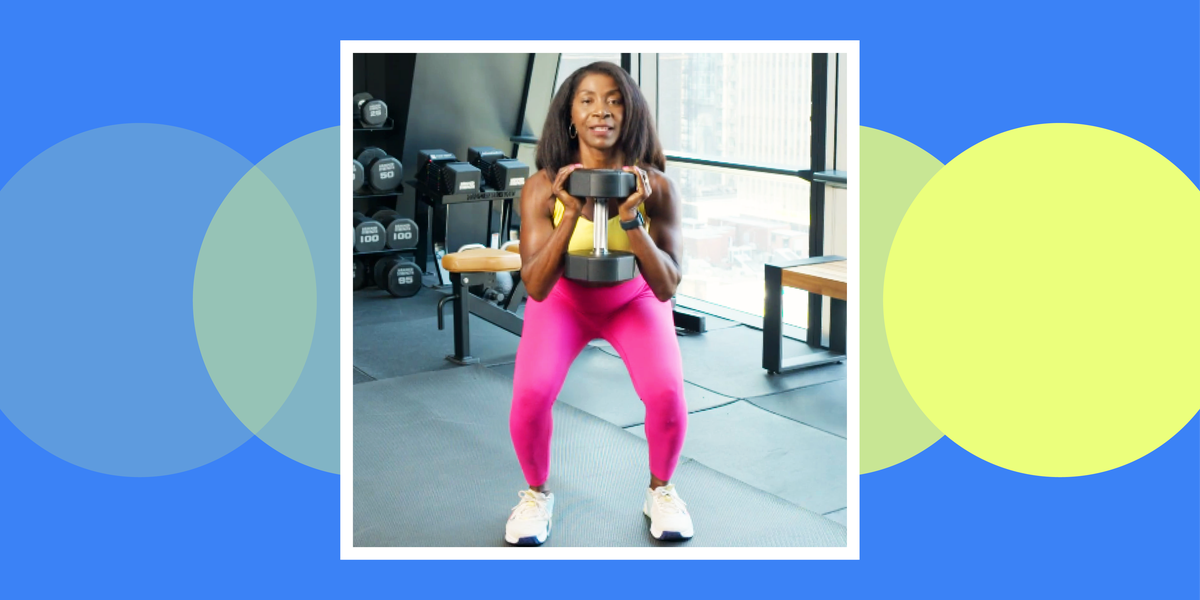
1. Goblet Squat
How to Perform: Stand with feet shoulder-width apart, toes slightly pointed out, holding a dumbbell at chest height with both hands. Lower into a squat until your thighs are parallel to the ground. Ensure your chest remains upright throughout the movement before rising back up.
Benefits: This exercise not only builds leg strength but also activates core muscles, aiding in balance and stability, which can decline with age.
2. Bent-Over Row
How to Perform: Stand with a staggered stance, hinge at your hips until your torso is at a 45-degree angle. Hold a dumbbell in each hand, arms extended. Pull the dumbbells towards your hips while keeping your back flat and core engaged.
Benefits: The bent-over row enhances upper body strength and plays a critical role in maintaining healthy posture over time.
3. Jump Squat
How to Perform: Begin by standing with your feet shoulder-width apart. Lower into a squat, then explode upwards into a jump. Land softly back into the squat position.
Benefits: This plyometric exercise increases bone density while enhancing lower body power and agility—key components for reducing the risk of falls.
4. Bird-Dog
How to Perform: Start on all fours, extending your right arm forward and left leg backward simultaneously. Maintain a neutral spine and engage your core. Switch sides and repeat.
Benefits: The bird-dog promotes core stabilization, coordination, and balance, which are essential for functional movement.
5. Glute Bridge
How to Perform: Lie on your back with knees bent and feet flat on the floor. Press through your heels to lift your hips until your body forms a straight line from shoulders to knees.
Benefits: This exercise strengthens the glutes and hamstrings, supporting lower back health and improving pelvic stability.
6. Incline Push-Up
How to Perform: Position yourself in a plank with hands placed on an elevated surface. Lower your body toward the surface before pushing back to the starting position.
Benefits: Incline push-ups are effective for building upper body strength while minimizing tension on joints, making this exercise suitable for various fitness levels.
Implementing the Exercises
To create a comprehensive workout, consider performing each exercise for 8-12 repetitions before transitioning to the next. Aim to complete 2-3 circuits, resting as necessary.
Using medium to heavy dumbbells can enhance the effectiveness of these exercises. Whether you’re looking to build a gradual strength program or incorporate these exercises into your fitness routine, the impact on your health will be significant.
Meet Your Trainer
Patricia Greaves, CPT, specializes in fitness for women, particularly during menopause. She offers both virtual and in-person personal training through her business, StrongHer Personal Training.
By embracing these fundamental movements, women can forge a resilient foundation for aging gracefully while enjoying greater independence and a better quality of life.
