


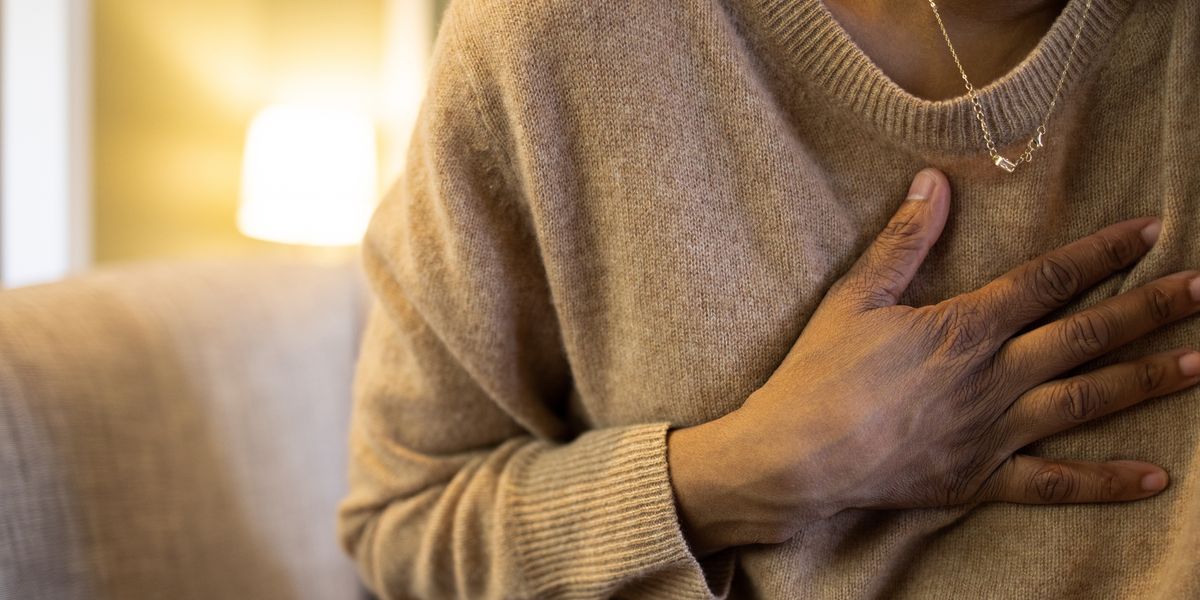
Recognizing Heart Attack Symptoms in Women
Heart disease remains the leading cause of death for women in the United States, accounting for one in every five female fatalities. Despite this alarming statistic, many women are often unaware of the subtle signs that may indicate a heart attack.
Understanding Heart Attacks
A heart attack occurs when blood flow to the heart is reduced or interrupted, depriving the heart muscle of much-needed oxygen. According to Dr. Erin Donnelly Michos, an associate director of preventive cardiology at Johns Hopkins Medicine, this situation usually stems from a condition called atherosclerosis, where arteries narrow due to plaque buildup. When plaque ruptures, it can lead to the formation of clots, obstructing blood flow and causing part of the heart muscle to die. This makes prompt medical intervention critical, as damaged heart tissue cannot heal itself.
Common Symptoms in Women
It’s important to be aware that heart attack symptoms can differ from what’s often depicted in movies. The following signs may manifest, particularly in women, who sometimes experience more atypical symptoms:
1. Extreme Fatigue
Extreme tiredness that limits daily activities, rather than everyday exhaustion, could indicate a heart issue. Research shows that approximately 70% of women report unusual fatigue as a precursor to a heart attack.
2. Indigestion
A heart attack can sometimes mimic severe digestive discomfort. The proximity of the heart to the stomach means that symptoms such as burning or pressure may be mistaken for indigestion. If the sensation persists despite taking antacids, a medical evaluation is necessary.
3. Jaw and Back Pain
Discomfort can radiate from the chest to the jaw or back, resembling a toothache or muscle pain. Dr. Marla A. Mendelson, co-director of the Women’s Health Research Institute at Northwestern Medicine, notes that women may perceive these symptoms differently than men.
4. Heartburn
Similar to indigestion, heartburn might also signal a heart attack. If experiencing unusual heartburn that does not subside with rest, it’s prudent to seek medical attention.
5. Shortness of Breath
Unexplained shortness of breath, especially during rest, can be a key indicator of heart problems. It’s important to note that this symptom can occur independently of chest pain, necessitating immediate medical assessment.
6. Pain in the Left Arm
While left arm pain is a traditionally recognized heart attack symptom, any sudden, unexplained discomfort in the arms warrants attention. As Dr. Mendelson highlights, the brain can have difficulty pinpointing the origin of the pain.
7. Nausea
Nausea can accompany other symptoms, such as dizziness or clamminess, during a heart attack. The sense of overall malaise is often related to the heart not receiving adequate blood flow.
8. Chest Pain
The classic indicator of a heart attack is chest pain, often described as a sensation of pressure or squeezing. Immediate medical attention is crucial if experiencing these feelings.
What to Do If You Suspect a Heart Attack
If you believe you are experiencing signs of a heart attack, the first step is to call emergency services without delay. As Dr. Holly Andersen, an attending cardiologist, advises, do not waste time contacting friends or family; seek professional help immediately. When at the hospital, inform the staff of your concerns and request an EKG and blood tests to rule out a heart attack. If you encounter any resistance, emphasize any symptoms of chest pain you are experiencing, as this is a recognized red flag that calls for urgent attention.
Understanding the signs and symptoms of a heart attack is essential. The quicker you act, the higher your chances of recovery become. Remember, heart attacks are survivable with prompt treatment.
