


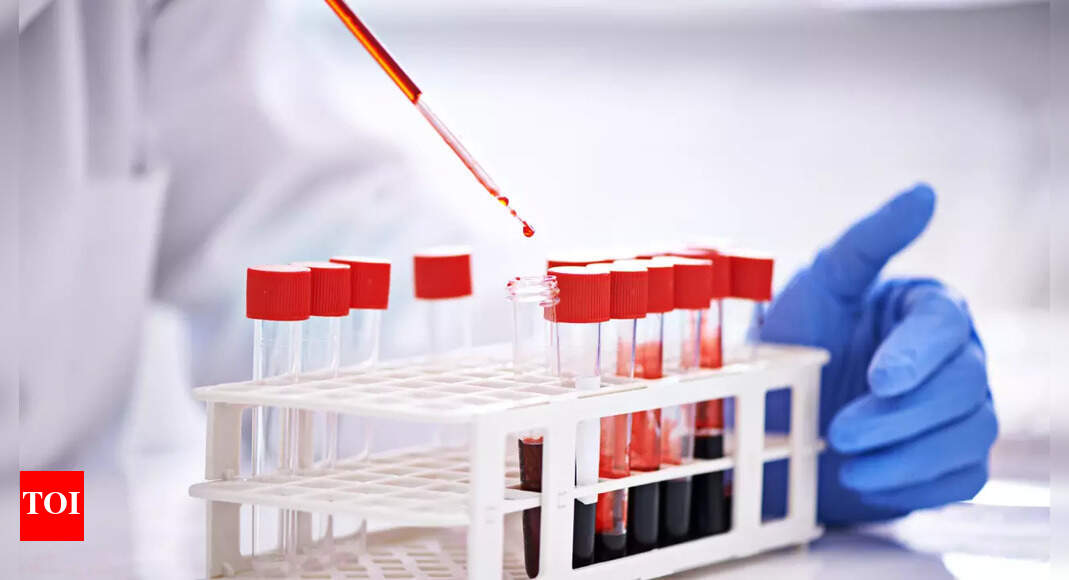
Early Cancer Detection: The Role of Blood Tests in Diagnosis
Cancer ranks as the second leading cause of death globally, contributing to approximately 9.6 million deaths in 2018 alone, according to the World Health Organization (WHO). Timely detection is crucial as it significantly enhances treatment outcomes and survival rates. Blood tests serve as vital tools for identifying various cancers in both men and women, often even before symptoms manifest. By analyzing biomarkers such as proteins, circulating tumor cells, and DNA fragments, these tests can effectively indicate potential malignancies. Below, we explore several prominent blood tests used in cancer detection.
1. Complete Blood Count (CBC)
The Complete Blood Count (CBC) plays an essential role in detecting specific blood-related cancers, including leukemia and lymphoma. This test evaluates the levels of:
- Red blood cells
- White blood cells
- Platelets
- Hemoglobin levels
- Red blood cell size and composition
2. Circulating Tumor Cell (CTC) Tests
Circulating tumor cell tests represent a form of liquid biopsy that can pinpoint fragments of tumors that have detached and entered the bloodstream. These tests are particularly beneficial for individuals with metastatic forms of breast, prostate, or colon cancers, where a higher count of CTCs indicates poorer prognoses.
3. Blood Chemistry Tests
Blood chemistry tests are designed to measure various substances released into the blood by organs and tissues, including:
- Metabolites
- Electrolytes
- Fats
- Sugars
- Enzymes
Information derived from these tests can provide crucial insights into organ functionality, particularly concerning the kidneys and liver.
4. Immunophenotyping
This assay identifies abnormalities in lymphocytes through blood or bone marrow samples. It helps determine whether malignancies stem from B or T lymphocytes by examining cell surface antigens. This method aids in diagnosing specific leukemia and lymphoma types by comparing cancerous cells to healthy immune cells.
5. Liquid Biopsies
Liquid biopsy is another innovative blood test that can detect markers of cancerous tumors, including tumor cells and their DNA. This method is instrumental in identifying cancer at early stages by analyzing blood samples for signs of malignant cells or tumor-derived DNA fragments.
6. Blood Protein Tests
Blood protein tests evaluate protein levels in the bloodstream, with abnormal readings potentially indicating specific cancers, particularly blood cancers like leukemia, lymphoma, and multiple myeloma. Confirmation through additional diagnostic methods may be necessary.
7. Tumor Marker Blood Tests
These tests measure substances produced by cancer cells or by the body in response to cancer. Elevated levels can point to the presence of cancer, assisting in diagnosis and treatment effectiveness evaluation.
Early detection is crucial for improving cancer treatment outcomes. Utilizing various blood tests can lead to timely interventions, enhancing survival rates and overall well-being. Consult healthcare professionals for personalized medical advice and diagnostic options.
Note: This information is for informational purposes only and should not replace professional medical advice.
