


Implications of the EHRC’s Guidance on Transgender Rights Post-Supreme Court Ruling
Overview of the Supreme Court Ruling
The Supreme Court recently ruled that the terms “woman” and “sex” within the 2010 Equality Act are defined in relation to biological attributes. This pivotal decision has led to significant changes in how transgender rights are viewed and implemented across various sectors.
New Recommendations from the EHRC
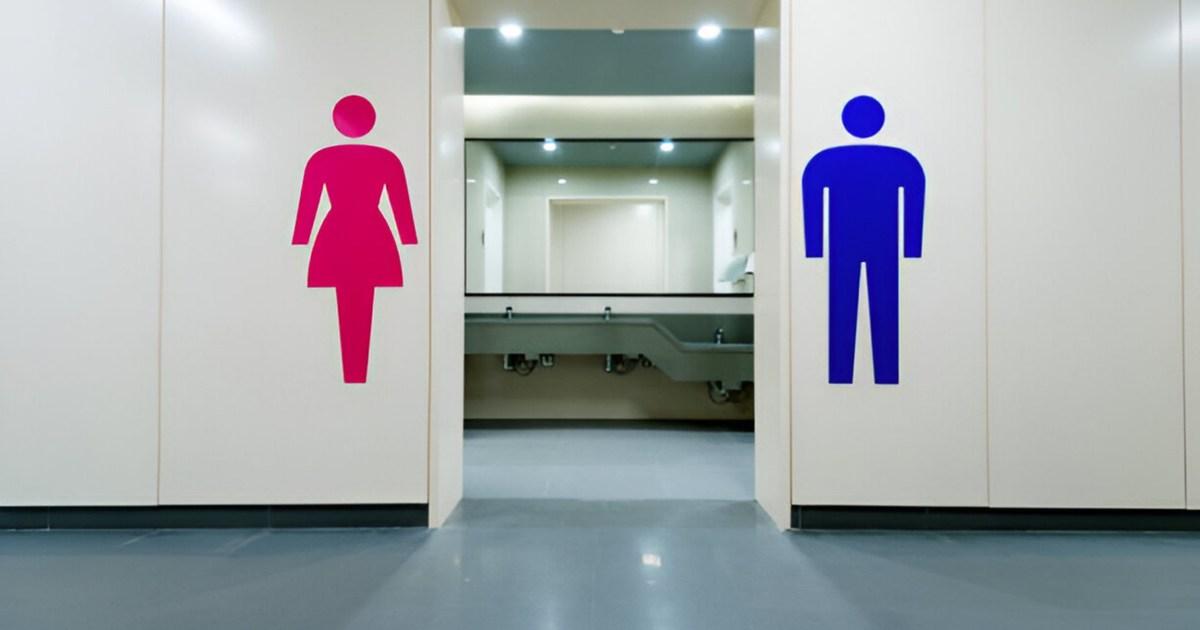
In response to the ruling, the Equalities and Human Rights Commission (EHRC) has released interim guidance that suggests restrictions on the usage of public facilities by transgender women. Specifically, it states that trans women, categorized as biological males under this ruling, should not be allowed to access women’s bathrooms in places such as hospitals, restaurants, and shops.
However, it is crucial to note that the guidance emphasizes the necessity of providing appropriate facilities for transgender individuals to avoid leaving them without access.
Reactions to the Guidance
The interim guidance has garnered both praise and criticism from various stakeholders. Notably, India Willoughby, a prominent figure in British media as the first transgender national television newsreader, expressed that this ruling could signify a severe setback for transgender rights in the UK, stating that the decision indicates that those rights have “died.”
Conversely, J.K. Rowling, author of the Harry Potter series, views the ruling positively, asserting that it serves to protect the rights of women and girls in the UK.
Specific Guidelines in Various Contexts
The EHRC’s guidance extends to different scenarios, including:
- In schools, the guidance restricts trans girls (biological boys) from using girls’ restrooms and changing facilities.
- For organizations with over 25 members, women-only spaces should not include trans women, while men-only groups should not admit trans men.
The commission clarified that even if individuals possess a Gender Recognition Certificate (GRC), they may still be excluded from single-sex areas.
Maintaining Rights While Mitigating Discrimination
Lord Hodge of the Supreme Court emphasized that while the ruling allows for these exclusions, it does not eliminate protections against discrimination for transgender individuals. The EHRC has stressed that alternative facilities must be made available to ensure that trans individuals do not face a lack of access.
Furthermore, suggestions were made for mixed-sex facilities to accommodate all users, provided they are designed to ensure privacy.
Future Steps and Consultations
The EHRC plans to launch a consultation within the next two weeks to gather input from affected stakeholders. An updated code of practice is expected to be submitted to the government for approval by the end of June, following compliance reviews of existing policies.
