


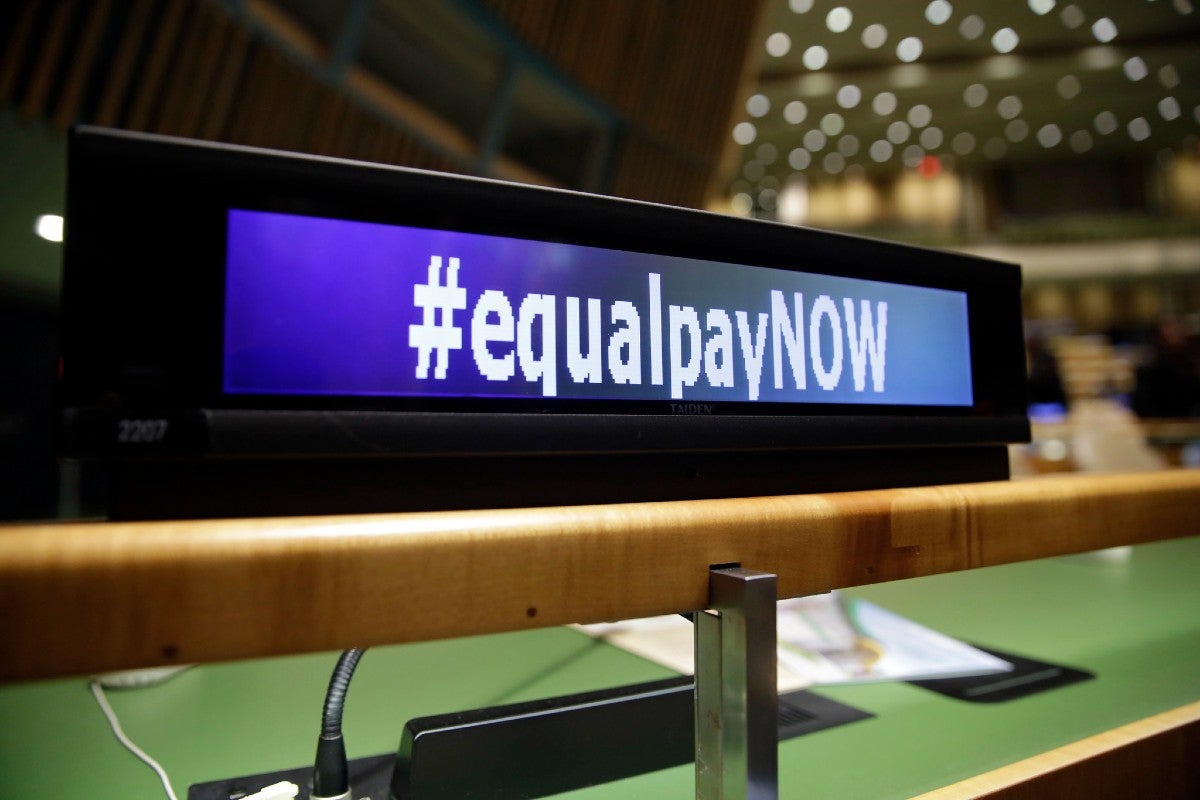
Equal Pay Day: Impacts and Opportunities for Gender Equality
Understanding Equal Pay Day
Equal Pay Day serves as a significant reminder of the ongoing wage disparity that women experience globally. On average, women earn approximately 20% less than their male counterparts, which translates to effectively working without pay for the final two months of the year.
The Economic Case for Gender Equality
According to UN Women’s groundbreaking report, The Gender Snapshot 2025, establishing gender equality is not just a moral obligation but an economically viable strategy. The study predicts that achieving gender parity could inject an estimated $4 trillion into the global economy by 2030. Such progress has the potential to enhance performance and foster innovation across various sectors.
The Role of the Private Sector
Despite the vital role that the private sector plays in creating jobs and promoting innovation, companies are currently falling short in their efforts to support gender equality. The upcoming report titled Unfinished Business: Private Sector and Gender Equality – Transforming Corporate Commitments into Equality for All Women and Girls by UN Women emphasizes that transformative change is feasible. However, immediate action from corporations is essential to realize this potential.
