


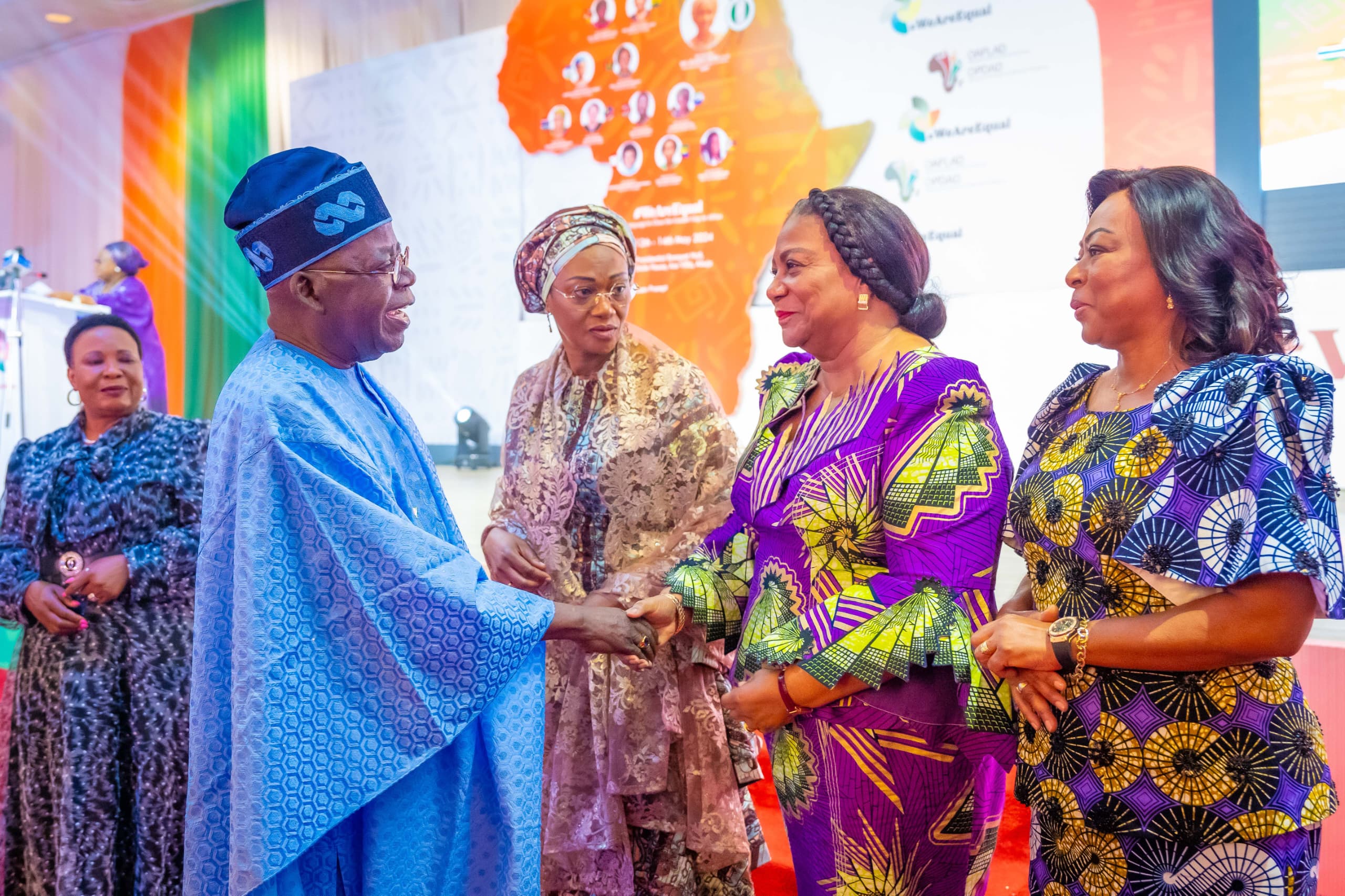
Women and the Future of Nigerian Politics
The landscape of Nigerian politics is evolving, with increasing recognition of the crucial role women play in shaping its future. The integration of women’s perspectives and leadership is not merely a matter of equity; it is essential for the holistic development of the nation.
The Evolution of Women’s Involvement in Politics
Historically, women’s participation in Nigerian politics has faced numerous challenges, including cultural barriers and systemic discrimination. However, recent shifts indicate progress:
- Increased Representation: A growing number of women are contesting for political offices and securing leadership roles.
- Grassroots Movements: Women’s rights groups are mobilizing support for female candidates and advocating policy changes.
- Educational Advancements: Enhanced educational opportunities have empowered women to engage more actively in political discourse.
The Impact of Women in Political Leadership
As women gain footholds in leadership positions, their contributions prove transformative:
- Policy Improvements: Female leaders often prioritize issues such as healthcare, education, and social welfare, which directly impact families and communities.
- Enhanced Collaboration: Women are known for fostering cooperative environments, leading to more collaborative governance.
- Representation of Diverse Voices: Women’s unique experiences help diversify the policymaking process, ensuring comprehensive solutions that reflect the entire population.
Challenges Ahead
Despite the progress, multiple barriers remain that hinder women’s full participation in politics:
- Societal Norms: Deep-rooted gender stereotypes continue to influence perceptions of women’s capabilities.
- Political Violence: Women often face intimidation and violence, which can deter participation in elections.
- Lack of Support Systems: Insufficient mentorship and resources limit women’s opportunities to ascend within political ranks.
The Path Forward
To realize the full potential of women in Nigerian politics, collective efforts are required:
- Education and Training: Encouraging educational initiatives tailored for aspiring female politicians can empower the next generation.
- Policy Support: Implementing policies aimed at supporting women’s candidacies and protecting their rights within the political sphere is crucial.
- Community Engagement: Involving local communities in dialogues about women’s role in politics can enhance awareness and support.
Conclusion
The future of Nigerian politics depends significantly on the participation of women. As they continue to break barriers and challenge the status quo, the nation stands to benefit immensely from their diverse insights and leadership. With sustained commitment and support, the involvement of women in politics can lead to a stronger, more inclusive Nigeria.
