


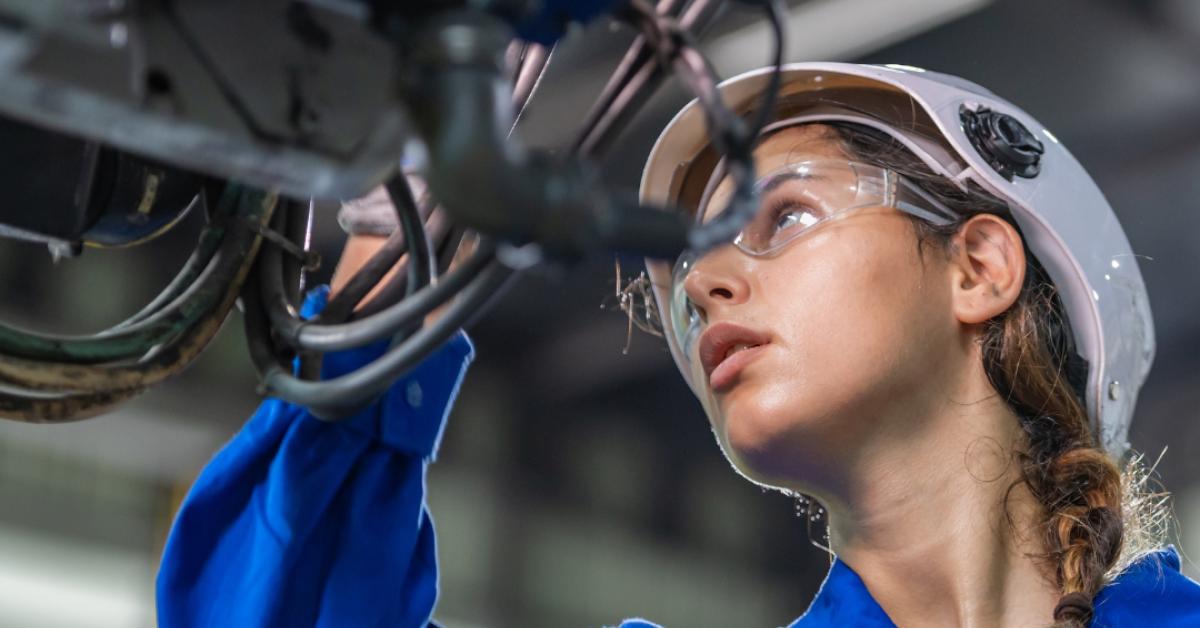
Gender Disparities in STEM: A Continuing Challenge
The Gender Gap in Scientific Fields
Despite progress in various domains, women represent only one-third of the global workforce in scientific research.
This statistic has remained largely unchanged over the past ten years, with some regions reporting female representation as low as 10%.
The 2024 UNESCO report, “Changing the equation: Securing STEM futures for women,” highlights that women occupy just 22% of STEM positions in G20 nations, a figure that indicates a persistent imbalance.
Leadership Challenges
Further compounding the issue, women in STEM face significant barriers to leadership roles. The report indicates that a mere 10% of leadership positions in science, technology, engineering, and mathematics are held by women. This underrepresentation limits the diverse perspectives that are essential for innovation and effective problem-solving.
Implications of Underrepresentation
The consequences of women’s limited participation in STEM are profound. A lack of gender diversity can lead to missed opportunities for innovation and the perpetuation of biases in technology. For example, artificial intelligence systems often struggle to accurately recognize women’s voices, a flaw that reflects a significant oversight during the development process where diverse perspectives were not included.
Such real-world implications illustrate the urgent need for policies and initiatives that foster greater inclusion of women in STEM fields. The repercussions of maintaining the status quo go beyond individual careers—they affect societal progress as a whole.
