


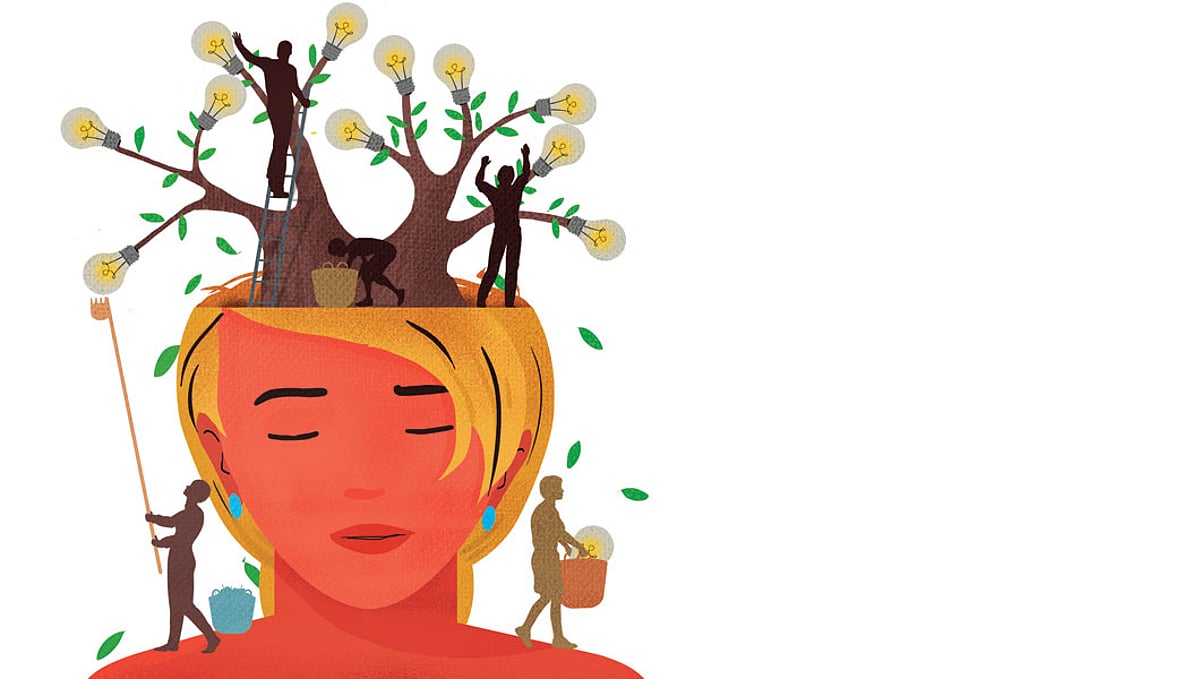
The Legacy of Women Scientists: Challenges and Triumphs
The recent passing of Rohini Godbole, a respected particle physicist, has sparked discussions about the contributions and challenges faced by women in science, both in India and globally. As an honorary professor at the Centre for High Energy Physics at the Indian Institute of Science, Godbole was an exception in her field. She chose to specialize in theoretical physics at a time when the majority gravitated towards experimental studies.
The Struggles of Women in STEM
Women scientists continue to confront numerous obstacles as they navigate their careers. This issue was poignantly illustrated by the journey of Katalin Karikó, a biochemist credited with pivotal contributions to the development of mRNA vaccines for COVID-19. Alongside immunologist Drew Weissman, she unlocked the way for mRNA to enter cells without inciting an immune response. Despite her groundbreaking work, Karikó faced significant hurdles including funding shortages and lack of institutional support for many years.
Historical Context
Karikó’s experiences echo those of Marie Curie, who broke barriers in science over a century ago. The first woman to receive a Nobel Prize, Curie won her second award in 1911 and remains the only individual awarded Nobel Prizes in two different scientific fields—chemistry and physics. Both she and Karikó, being émigrés, exemplify the challenges faced by women in science transcending geographical boundaries.
The Persistence of Bias
Alarmingly, biases against women in science continue to persist. Many scientific fields remain dominated by men, which can create an unwelcoming environment for female researchers. Although there have been policy changes aimed at supporting women in STEM fields, challenges are especially pronounced in conservative societies like India, despite a handful of senior women scientists making strides in fields such as space research.
Global Statistics on Women in STEM
Reports consistently highlight the underrepresentation of women in STEM careers worldwide. Key insights from a World Bank report indicate that while graduation rates for women are high, they are less frequently employed in STEM disciplines, particularly in engineering, physics, and information and communication technology (ICT). This report also found that women who do pursue careers in STEM tend to publish fewer research papers and are often compensated less than their male counterparts.
- Women in STEM face significant career attrition rates.
- There is a notable disparity in publication rates between male and female researchers.
- Gender biases continue to affect compensation levels in scientific careers.
Conclusion
The legacy of women like Rohini Godbole and Katalin Karikó highlights both the progress made and the work still needed to create an equitable environment in science. Although many challenges remain, the increasing visibility of women in STEM offers hope for future generations. Continued advocacy and systemic change can further empower women to thrive in scientific fields.
