


The Rise of Women’s Sports: Lessons from the Matildas and WPL
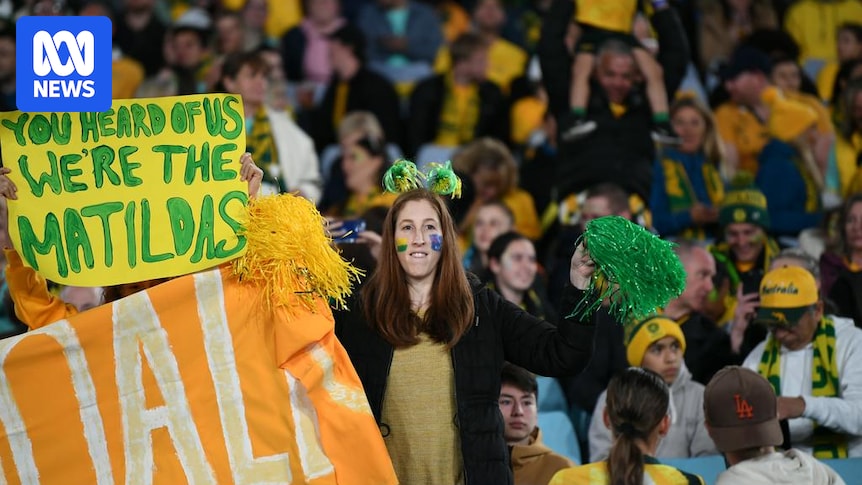
In 2023, the excitement around women’s football reached new heights when Australia’s Matildas faced off against England in a riveting semifinal match during the FIFA Women’s World Cup. This event went on to become the most-watched television broadcast in Australian history, showcasing the growing interest in women’s sports.
Shattering Myths About Audience Engagement
A recent social impact report by Football Australia highlighted that 44% of viewers were men and boys, challenging the misconception that women’s sports only attract female audiences. For the first time, a women’s football match surpassed all other television broadcasts in the country, marking a transformative moment for women’s sports.
Former Matilda and lawyer Moya Dodd remarked on the significant progress made over the past decade, stating, “Ten years ago, no one would have believed it.” Her insights were shared during the recent RCB Innovation Lab Sports Summit in India, emphasizing the need for broader acceptance of women’s sports.
The Need for a Paradigm Shift in Marketing
Traditionally, women’s sports have been marketed primarily to women, focusing on empowerment rather than skills and achievements. Dodd insists that views on women’s sport should be grounded in respect for their talent and determination. She pointed out that young boys now idolize athletes like Sam Kerr, wearing jerseys and supporting female teams openly.
The Women’s Premier League: A New Era in India
In India, the Women’s Premier League (WPL) has emerged as a significant player in re-shaping women’s sports. With over 103 million television viewers in its second season of 2024, the league is attracting substantial brand investments; a notable deal saw Viacom18 acquire rights for $117 million, illustrating the financial potential of women’s sports.
Challenges Persist Despite Progress
Despite the positive indicators, challenges remain. Dodd noted that the existing structures and leadership in sports have historically favored men, making a simple integration of women insufficient. “Sport was built by men, for men, and run by men,” Dodd said. “You can’t just retrofit women into those systems; you need to redesign them.”
Focused Leadership and Change
Sarah Walsh, head of women’s football at Football Australia and a former Matildas player, credited constitutional changes in 2018, which increased women’s representation in decision-making roles, as pivotal to their recent success. She emphasized that initiatives like equal pay and funding post-World Cup were directly influenced by women in leadership.
The Power of Representation and Storytelling
Both Dodd and Walsh highlighted that the narrative surrounding sports is often skewed towards men’s achievements. They emphasized the necessity of presenting women’s sports in a way that engages diverse audiences, rather than comparing them directly to men’s events. Female voices in journalism and broadcasting are essential in redefining public perceptions.
Future Prospects and Continued Growth
With proper investment and leadership, both Dodd and Walsh believe there is substantial potential for women’s sports to flourish. Recent trends indicate that interest in women’s sports transcends gender, yielding cultural and social benefits. Dodd remarked, “Women’s sport brings audiences that have come to celebrate inclusion and a sense of social purpose.” This growing audience includes a wide demographic across genders and ages.
Conclusion
The success of the Matildas and the burgeoning viewership of leagues like the WPL pose critical questions regarding the readiness of current systems to support the growing popularity of women’s sports. As barriers continue to be dismantled, a future where women’s sports occupy a mainstream space appears more promising than ever.
Written by Veechika Durga Pingali, a freelance journalist from Bengaluru, India, with expertise in journalism and public relations.
This article is part of ABC International Development’s Women in News and Sport Initiative, supported by the Australian Department of Foreign Affairs and Trade through the Team Up program.
