


The Vital Role of Women’s Health in National Prosperity
The strength of a nation extends beyond economic metrics like GDP or infrastructure; it fundamentally lies in the health and well-being of its people, particularly women. Ensuring access to comprehensive women’s healthcare services is not only an ethical responsibility but also a strategic necessity. Improving women’s health is conducive to reducing gender-based health disparities and enhancing family and community welfare.
The Economic Impact of Women’s Health
Healthy women play a crucial role in the workforce, significantly contributing to overall productivity. Research from the World Economic Forum, in collaboration with the McKinsey Health Institute (2024), highlights the importance of closing the health gap between genders. The report suggests that achieving this could result in an additional seven healthy days per year for every woman. However, women face numerous barriers, including gender discrimination, limited access to education, and domestic violence, which adversely affect their health and access to healthcare services.
Strengthening Women’s Health Initiatives
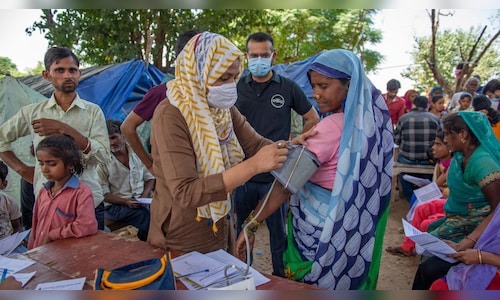
In recent years, India has witnessed transformative changes in its approach to women’s health. Government initiatives and educational outreach have focused on addressing women’s specific healthcare needs, such as maternal and reproductive health. Programs like the National Health Mission have contributed to significant improvements in maternal and child health metrics. Notably, the maternal and infant mortality rates have decreased substantially between 2014 and 2020, supported by a 30% increase in budget allocation for women’s health services.
Untreated women’s health conditions can lead to chronic illnesses, such as cardiovascular disease, diabetes, and osteoporosis. Globally, more than 450 million menopausal women face heightened risks for these conditions when not managed properly. Conditions like maternal hypertensive disorders can further escalate the risk of long-term health issues, underscoring the importance of timely intervention and care.
Innovative Solutions in Women’s Health
The digital revolution is reshaping access to healthcare, particularly for women. Emerging technologies, such as telemedicine and digital health platforms, are facilitating convenient healthcare engagement, with a reported 40% of urban women utilizing telehealth services in the last year. This trend marks a significant shift towards digital healthcare solutions.
- **Symptom Tracking**: Tools that help monitor symptoms in real-time.
- **Wearable Devices**: Designed to detect early signs of conditions like breast cancer and osteoporosis.
- **Diagnostic Services**: Increased demand for comprehensive tests, including bone densitometry and imaging, aids in early detection of serious health issues.
Certain healthcare innovations, including artificial intelligence, hold promise for future advancements in personalized healthcare, improving outcomes for women. Collaboration among healthcare professionals, technology developers, and policymakers will be essential in ensuring these technologies are accessible and effective.
A Call to Action for the Future
Looking ahead, it is pivotal that we unite to envision a future where every woman, regardless of her circumstances, can thrive and reach her full potential. Women’s health should be prioritized in the broader context of family and community well-being. Investment in women’s health is not merely a personal endeavor but a shared responsibility that shapes a prosperous and equitable future for all.
The relationship between social determinants, healthcare access, and technological advancement will dictate the future landscape of women’s health. Investing in these areas today is crucial for building a healthier and more resilient India tomorrow.
– The author, Rajeev Sibal, is President – India Region Formulations at Lupin Ltd. The views expressed are personal.
