


The Intersection of Climate Change and Women’s Health in Sunamganj, Bangladesh
Sunamganj, located in northeastern Bangladesh, is characterized by its unique wetland ecosystem. This district faces significant challenges from climate change, especially as sudden and prolonged flooding disrupts daily life, displaces families, and hampers access to essential services.
For the approximately 670,000 women of reproductive age in the region, these increasingly severe weather events create alarming risks for their reproductive healthcare access.
Preparedness Initiatives
In response to these challenges, the United Nations Population Fund (UNFPA) is actively engaging local women through training programs aimed at enhancing their preparedness for climate-induced crises.
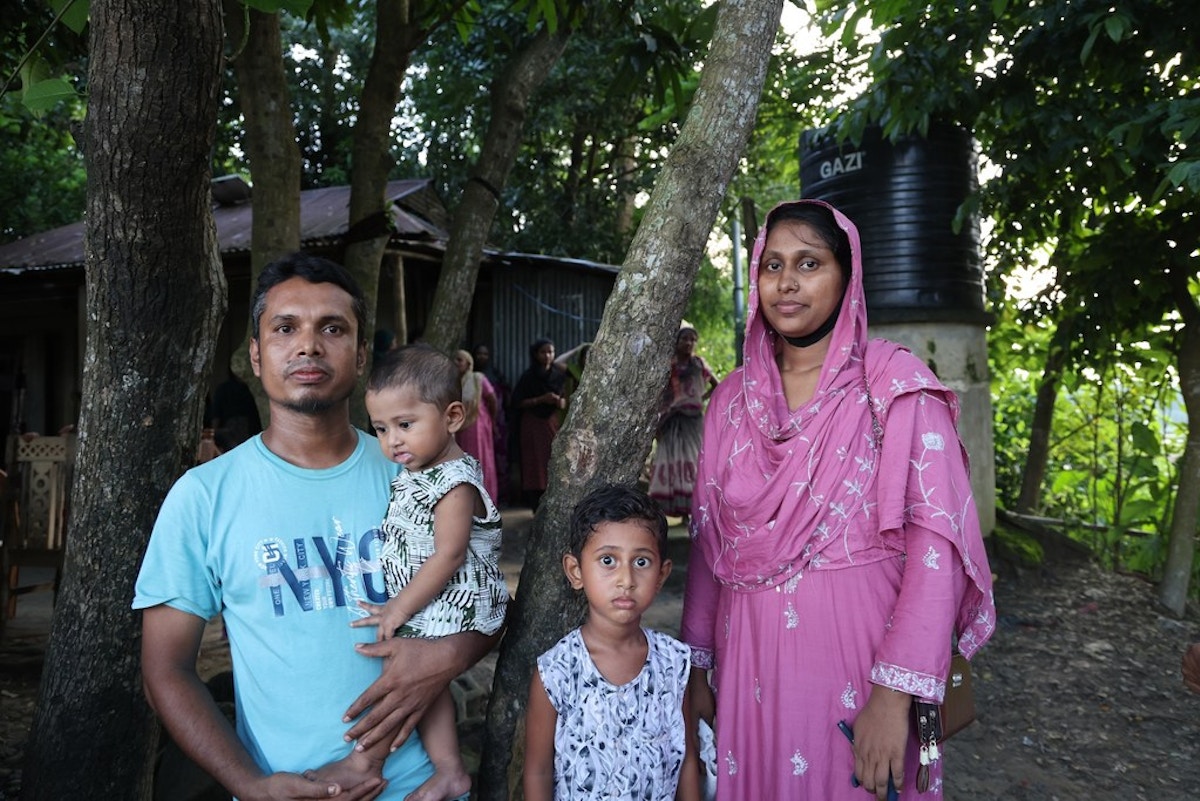
“Thanks to the training I received, I knew what to carry, how to prepare and how to protect my family,” shares Shakila Akhter, a 24-year-old mother of two who was eight months pregnant during the last flood.
Shakila emphasizes the newfound knowledge she gained about family planning options, expressing her desire to choose the timing of future pregnancies.
She reflects on the noticeable climatic changes over the last two decades, stating, “In Bangladesh, the flood season has become longer, sudden floods are more frequent, heatwaves have intensified, and winters are now shorter.”
“So, we all should be prepared to manage it to survive,” she concludes.
The Role of Local Volunteers
The training initiatives are facilitated by community volunteers who impart essential knowledge to help others navigate climate-related challenges. Shakila Begum, a 26-year-old volunteer, was trained in just two days and is committed to educating women on diverse issues including maternal healthcare during floods.
“One woman had dangerously high blood pressure just before giving birth,” recalls Ms. Begum. “I advised her family to go to the local hospital, where she safely delivered – completely free of cost.”
Ms. Begum currently supports 75 families, addressing concerns related to family planning and maternal health.
Fostering Empowerment through Community Spaces
The initiative also promotes safe community spaces for women to learn about sexual and reproductive health. In Kurban Nagarn, local volunteers present “street dramas,” which engage the community through performances on topics such as maternal health and disaster preparedness, attracting over 500 attendees at each event.
Taskira Hauque Tazin, a student involved in these performances, shares her dedication to women’s empowerment through community education. “We want to stop early marriage, promote girls’ education, and ensure maternal healthcare access,” she highlights, adding, “Whether it’s in the sun, rain, or storm – we’ll keep doing this work for the people.”
Community Challenges Persist
Despite proactive efforts by the UNFPA and local entities, numerous challenges remain in Sunamganj. A significant percentage of deliveries continue to occur at home, reflecting ongoing barriers to healthcare access.
Cultural stigmas surrounding discussions of menstruation and reproductive health further hinder progress, alongside restrictive social norms that impact women’s participation in the economy, exacerbated by climate-related disasters.
Commitment to a Sustainable Future
The Global Symposium on Climate Justice and Impacted Populations held in Brasília from July 28 to 31, co-hosted by UNFPA and the Government of Brazil, spotlighted the urgent need to address the impacts of climate change on women and girls. Key discussions focused on integrating gender considerations within climate negotiations, reinforcing a commitment to understanding climate change’s impact on sexual and reproductive health and rights.
“The evidence tells us that climate change is increasing the risk of maternal mortality, disrupting access to contraceptives and increasing the risk of gender-based violence,” stated Diene Keita, Acting Executive Director of UNFPA. “Our collective efforts need to strengthen the resilience of women, girls and health systems to withstand and adapt to climate shocks.”
