


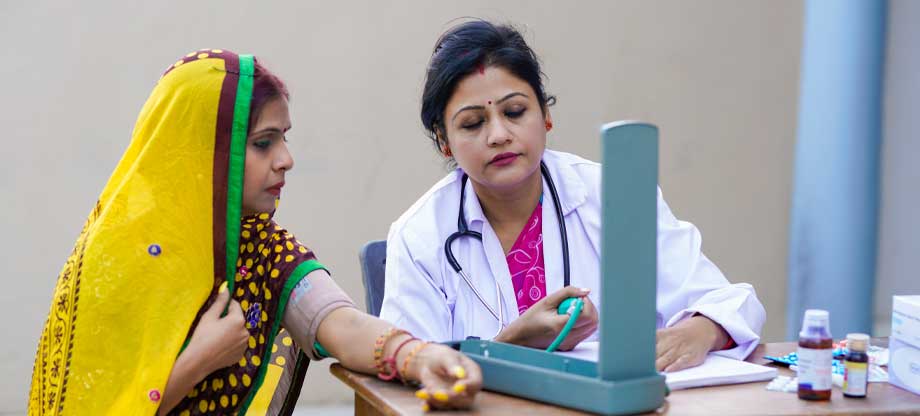
The Landscape of Women’s Health Financing in India
Health care financing for women in India is shaped by a complex interplay of socio-economic factors and cultural norms. As former First Lady Michelle Obama aptly stated, “Communities and countries and ultimately the world are only as strong as the health of their women.” This assertion highlights the critical nature of improving women’s health financing both for individual well-being and societal progress.
Current Challenges in Health Care Financing
Despite ongoing governmental initiatives aimed at bolstering health financing for women, significant barriers remain. According to Dr. Joannah V Nathan, a healthcare professional in Tamil Nadu, government schemes like the Rashtriya Swasthya Bima Yojana (RSBY) strive to provide health insurance to low-income families, but enrollment among women remains insufficient. Key issues include:
- Low awareness of health insurance schemes, especially among marginalized communities.
- Lack of financial literacy, hindering women’s abilities to manage healthcare expenses.
- Insurance coverage gaps for services critical to women’s health, such as maternal and reproductive care.
Dr. Nathan emphasizes that without proper awareness, women face deteriorating quality of life and chronic health issues, underscoring the need for preventive health measures.
Household Financing Strategies
A study published in the journal Science Direct reveals that out-of-pocket health care expenditure (HCE) in India is among the highest in the world. About 58% of households manage inpatient care costs through means like borrowing or selling assets. An alarming trend is the systemic disparity in health care spending between genders; research indicates that HCE is consistently lower for women than men, despite women often experiencing higher health risks.
Socio-Economic Disparities
The financial constraints faced by women are further exacerbated by lower average earnings compared to their male counterparts. This pay gap creates formidable barriers to accessing healthcare. In response, the Government of India has rolled out various initiatives to improve maternal health care, which include:
- Surakshit Matritva Aashwasan (SUMAN): Ensures dignified and respectful healthcare for all women and newborns at no cost.
- Janani Suraksha Yojana (JSY): Promotes institutional deliveries through cash incentives.
- Janani Shishu Suraksha Karyakram (JSSK): Offers free deliveries, including cesarean sections, along with necessary medical support.
- Pradhan Mantri Surakshit Matritva Abhiyan (PMSMA): Provides free antenatal checkups on designated days each month.
- First Referral Units (FRUs): Enhance access to quality emergency care for pregnant women.
Looking Ahead
To strengthen women’s health financing, several forward-thinking strategies can be implemented:
- Increase public health expenditure specifically aimed at women’s health, particularly in rural and semi-urban areas.
- Utilize technology to funnel financial resources into health savings accounts and digital insurance solutions.
- Develop tailored insurance products that address the unique health needs of women.
- Implement community-based educational programs to raise awareness about available health services and insurance options.
