


Empowering Women Entrepreneurs: Insights and Strategies
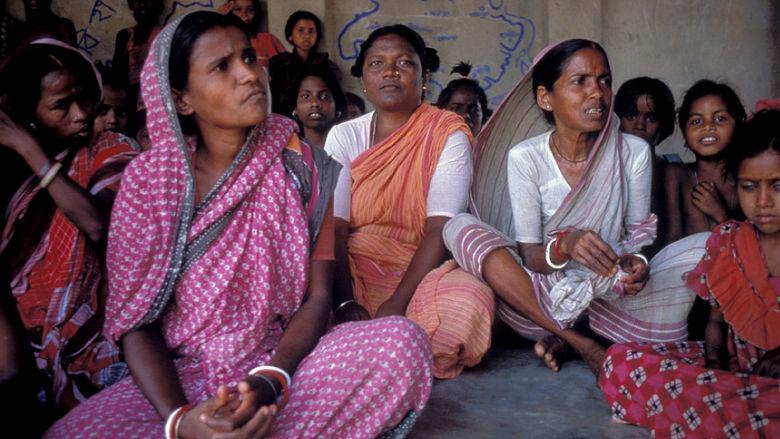
In the vibrant morning markets of rural India, the stories of two businesswomen, Rekha and Jaya, illustrate the diverse journey of women entrepreneurs. Rekha has built a loyal customer base and is now looking to expand her stall, while Jaya faces challenges with dwindling sales and mounting debt. Both women sought similar loans from the same financial institution, driven by aspirations for economic independence and family support, yet their paths diverged starkly despite identical market conditions.
The Global Landscape of Women Entrepreneurs
Across the globe, women are significantly impacting economies, whether through local markets or influential tech startups. Nonetheless, numerous barriers still hinder their potential. Enhancing access to finance for women is crucial not just for individual empowerment but also for overall economic growth, contributing to increased tax revenues and investments in essential public services like health and education.
Key Challenges Faced by Women Entrepreneurs
Despite the evident benefits, women entrepreneurs grapple with five ongoing challenges:
- Limited access to equity
- Inconsistent training opportunities
- Data gaps obstructing insights
- Restrictive social norms
- Financial systems that may exclude women
World Bank’s Gender Strategy 2024-2030
In October 2024, the World Bank Group initiated its Gender Strategy aimed at significantly improving economic opportunities for women, targeting to facilitate capital for an additional 80 million women and women-led enterprises. To achieve these ambitious objectives, a deeper understanding of the dynamics surrounding access to capital is essential, particularly regarding the conditions under which women entrepreneurs secure funding and the role of financial institutions in facilitating this support.
Financial Literacy: A Cornerstone of Economic Empowerment
Low financial literacy remains a major barrier preventing many women entrepreneurs from accessing loans (Morsy 2020). To combat this issue, the World Bank implements innovative digital cash transfers paired with skills training and coaching designed to empower women economically beyond mere financial aid.
Research indicates that women engaged in financial literacy initiatives demonstrate improved savings behavior, punctual loan repayments, and higher insurance uptake. Successful programs typically embody three characteristics:
- Community-centric, facilitating peer learning
- Involvement of current and former women entrepreneurs as mentors
- Allowing supportive friends to accompany participants, boosting confidence and outcomes
The Importance of Support Systems
A robust support system, particularly from family and the community, is instrumental in the success of women entrepreneurs. Studies reveal that spousal support and social capital, such as involvement in local organizations, contribute significantly to improved financial outcomes. This underscores a vital insight: the entrepreneurial journeys of women like Rekha and Jaya are profoundly influenced by their social environments.
Flexible Financial Solutions for Better Outcomes
Financial institutions can enhance the prospects of women entrepreneurs by developing loan products that align with the realities small businesses face, especially in volatile markets. Insights from the Indian food stall sector during the COVID-19 pandemic highlighted that entrepreneurs with access to flexible repayment structures, such as digital payment systems and overdraft options, experienced superior repayment rates compared to traditional loans (Desai, Sensarma & Thomas 2025).
Flexibility in financial products not only aids in crisis management but also fosters long-term resilience. Alternatives such as contract choices, deferred payments, and varying credit options have been shown to positively impact business outcomes while maintaining low default rates. This adaptability is especially crucial for enterprises with seasonal income fluctuations, helping them navigate challenges and maintain growth. More accessible digital financing positions lenders to better reach women entrepreneurs, often at a reduced cost.
Conclusion
Insights from the Women Entrepreneurs Finance Initiative (We-Fi) further affirm these strategies, providing evidence on what effectively supports women entrepreneurs in developing regions. By understanding and addressing these critical areas, stakeholders can help foster a more inclusive and prosperous landscape for women in business.
