


Empowering Refugee Women Through Sewing in Arizona
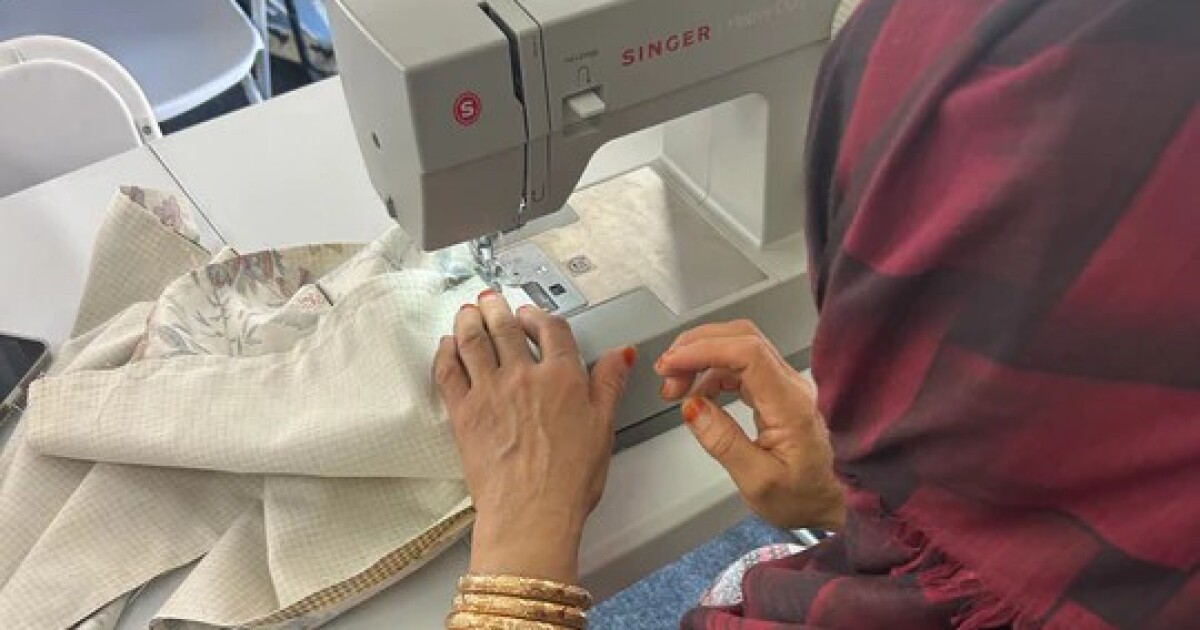
Following recent policy changes affecting refugee admissions in the United States, local initiatives in Arizona are stepping up to support refugee women. One of these initiatives is Shop Refugee, a program aimed at teaching sewing skills to women who have fled their home countries, creating both economic opportunities and communal bonds.
A Unique Training Program
Shop Refugee primarily focuses on refugee women, particularly those who are stay-at-home mothers. This demographic often faces barriers in accessing traditional job training programs. As Michelle Rogers, the sewing manager, explains, “We are first a training program, targeted towards refugee women who want to further their skills.” The program accommodates the specific needs of these women by offering English and sewing classes just one or two days a week, along with childcare services.
Fostering Community and Financial Independence
One of the program’s standout features is its approach to profit-sharing. Utilizing donated fabrics and materials, the women receive 95% of the sales revenue from the items they create. This model not only allows them to supplement their family income but also fosters a sense of community and mutual support among participants.
“A place of community for them to find friendship and community,” is how Rogers describes the atmosphere at Shop Refugee. Research indicates that refugees who connect with local Americans are statistically more likely to succeed in their new environment.
Bridging Cultures Through Sewing
The classes are notably diverse, attracting women from countries such as Afghanistan, Myanmar, Iraq, and Ethiopia. Allie Flynt, an intern at Shop Refugee, emphasizes the rich tapestry of cultures present: “The diversity of women from all different cultures and languages really creates a loving community.”
Despite language barriers, the women support each other, demonstrating that communication extends beyond words. Flynt highlights, “It is kind of empowering to empower women who speak the same language to translate for each other.”
Shared Stories and New Connections
Participants have formed deep friendships, often referring to their American volunteers as family. Flynt shares, “I have several refugee women who call me their daughter, their granddaughter, their sister.” This emphasizes the reciprocal nature of connection, where refugees also extend warmth and hospitality to those supporting them.
From Hobby to Profession
Many women in the program not only develop their sewing skills but also gain valuable professional experience. Rogers notes, “Some have gone on to secure jobs at local businesses.” The program instructs participants in crafting their own patterns and producing items, many of which are sold online.
“Everything has purpose outside of just a hobby. It can grow into a business for themselves,” says Rogers. This practical approach has instilled confidence among the women, who often return with pride to showcase their creations.
Bringing Back Traditional Sewing Circles
Much like the quilting bees of the past, Shop Refugee cultivates a supportive environment that feels familiar and nurturing. Rogers reflects, “It’s bringing that back, fostering connections that many women have left behind in their home countries.”
Through sewing, these women are not only acquiring a skill but also rebuilding their lives and communities in a new land.
This collective effort not only empowers marginalized communities but also enriches the broader social fabric of American society, showcasing the powerful role of empathy and skill-sharing in transformative processes.
