


The Role of Cash Transfers in Empowering Women in India
In India, the political landscape surrounding welfare has significantly evolved, especially concerning gender. Cash transfer programs have emerged not only as tools for social policy but also serve as effective electoral strategies. Recently, just ahead of Assembly elections, the Bihar government introduced the Mukhyamantri Mahila Rojgar Yojana. This initiative is set to provide ₹10,000 to 75 lakh women to kickstart or expand small businesses, with additional potential support of up to ₹2 lakh for successful initiatives.
Expanding the Cash Transfer Landscape
Alongside Bihar’s program, various other state initiatives are prioritizing women. Examples include:
- Karnataka’s Gruha Lakshmi
- West Bengal’s Lakshmir Bhandar
- Madhya Pradesh’s Ladli Behna Yojana
- Telangana’s Mahalakshmi
These programs leverage India’s Direct Benefit Transfer (DBT) system, which relies on the ‘JAM trinity’—Jan Dhan bank accounts, Aadhaar numbers, and mobile connectivity—to enhance transparency and targeted delivery of funds.
Financial Inclusion of Women
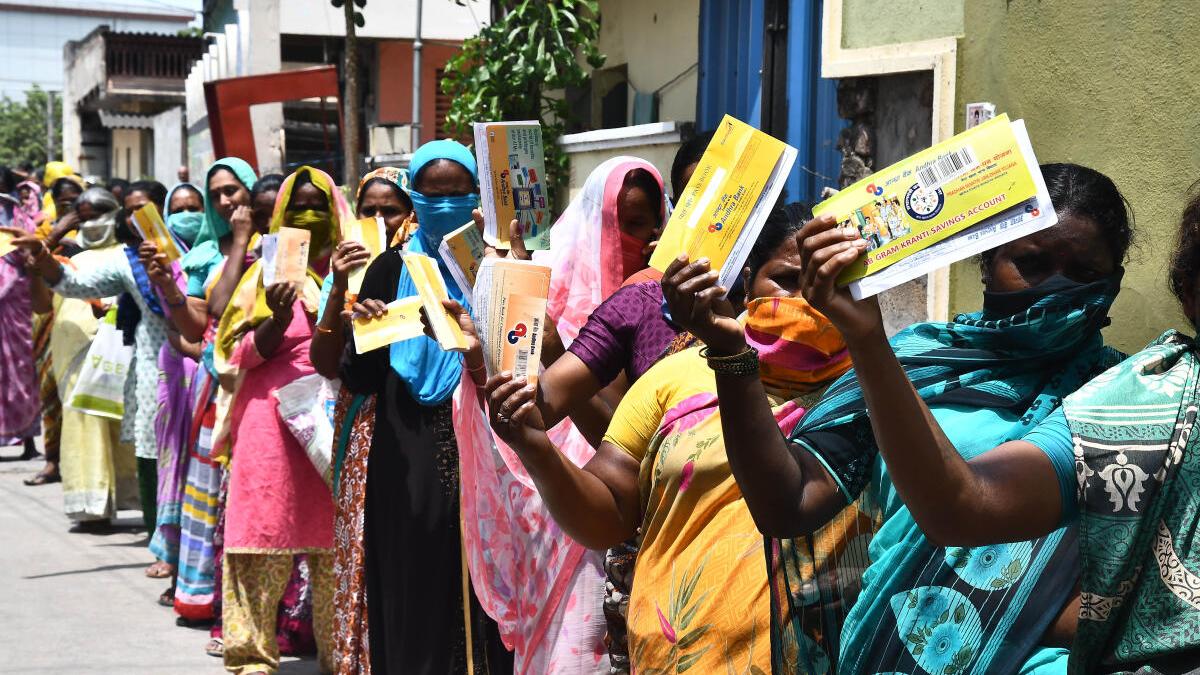
As of August 2025, over 56 crore Pradhan Mantri Jan Dhan Yojana accounts have been established, with women constituting 55.7% of account holders. The World Bank’s Global Findex Database for 2025 indicates that 54% of women opened their accounts primarily to access government benefits or wages. Currently, 89% of Indian women hold bank accounts, a statistic comparable to developed nations and significantly higher than the global average of 77%. This achievement highlights women’s recognition as active economic participants.
Empowerment Beyond Banking
Despite these promising figures, challenges remain. Approximately 20% of women’s accounts are inactive, often due to a lack of funds, perceived necessity, or discomfort with formal banking systems. This situation is exacerbated in rural and semi-urban regions, where distances to banking facilities and limited digital access inhibit engagement.
Most women primarily utilize their accounts to withdraw cash transfers, while engagement in savings, borrowing, or payment activities remains minimal. For instance, although 38 crore RuPay cards have been issued and UPI transactions surged dramatically—from ₹2 crore in FY17 to ₹18,600 crore in FY25—women’s usage of debit cards and digital payment methods lags compared to men.
Barriers to Financial Participation
Institutionalized gender norms, coupled with restricted access to technology, hinder the move from merely having access to fostering genuine agency among women. According to GSMA data, women are 19% less likely to own mobile phones, vital for managing bank accounts and funds. The Findex survey identifies several barriers to mobile ownership, including device costs, privacy concerns, fear of fraud, and prevailing social norms.
Catalyzing Change Through Community Support
To translate the numerical success of cash transfers into tangible economic empowerment, initiatives must extend beyond direct financial deposits. It is crucial to offer long-term support encompassing financial literacy and digital education. Empowering women also involves securing property rights and joint land titles, enabling them to leverage credit and participate in marketplaces confidently.
Enhancing access to digital tools is equally important. Providing subsidized smartphones and affordable data plans can allow women to independently manage their financial transactions without relying on shared devices which may compromise their privacy and autonomy. Collaborative efforts between banks, fintech companies, and mobile service providers are essential to develop financial products that align with the unique economic circumstances of women, including their caregiving responsibilities and variable income patterns.
Community-Based Initiatives
Creating community networks can foster trust and support among women. Initiatives like digital banking sakhis and trusted online groups can provide safe spaces for women to seek advice and share financial experiences. Additionally, increasing the representation of women among banking agents, who currently comprise less than 10% of India’s 1.3 million business correspondents, can enhance access and trust in financial systems.
Conclusion: Moving from Access to Empowerment
The journey from access to empowerment remains ongoing. For schemes like Bihar’s Mukhyamantri Mahila Rojgar Yojana to significantly impact women’s economic independence, they must create avenues for women to control, manage, and grow their financial resources effectively.
