


Weekend Reading: Women’s Representation and Progress
This week’s compilation highlights significant strides in women’s representation across various domains, including politics, business, and social advocacy. We also reflect on inspiring legacies and new leaders emerging in the fight for equality.
‘Let Mother Vote’: Commemorating the Push for the 19th Amendment
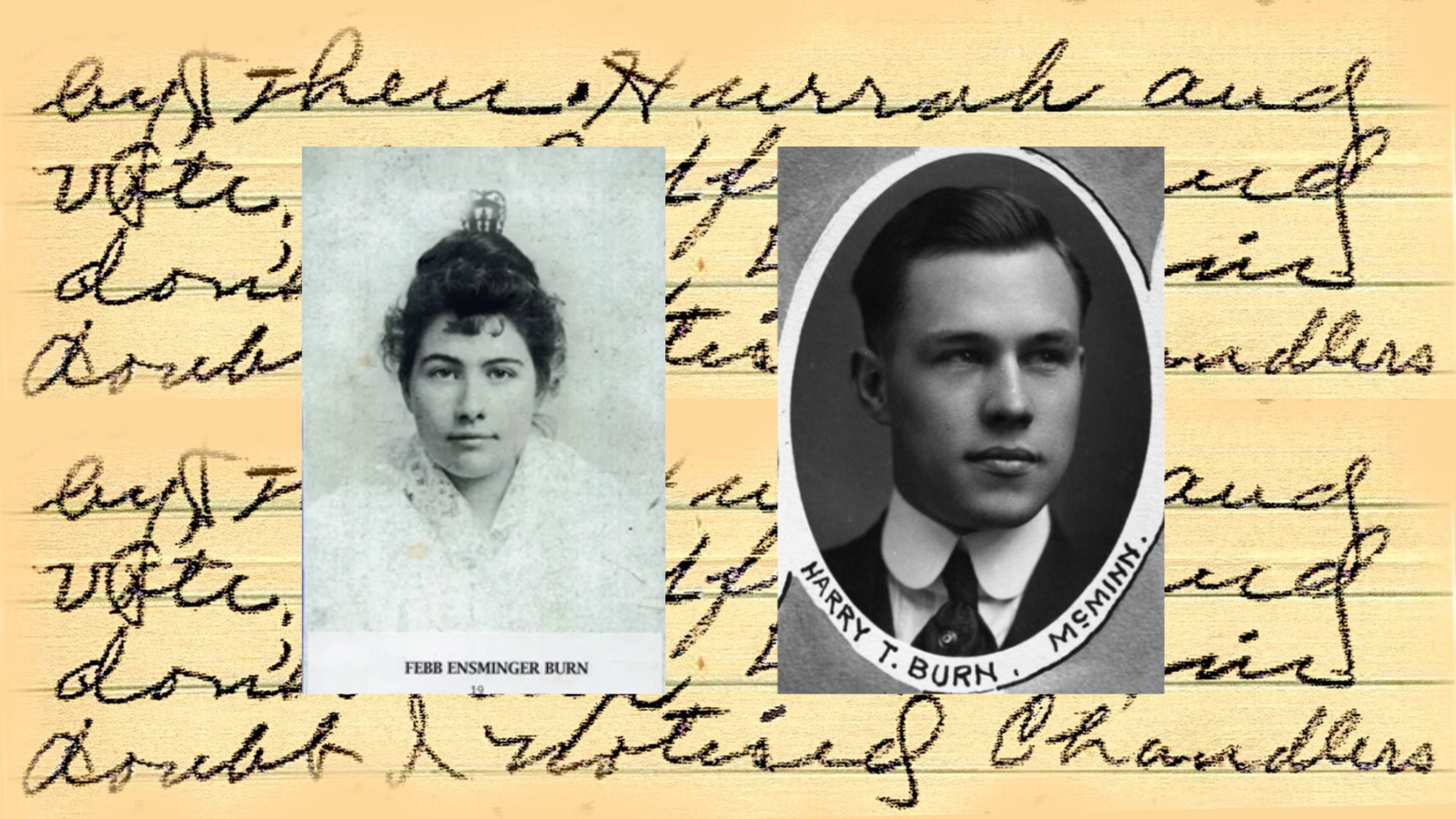
On August 18, 1920, Tennessee’s ratification of the 19th Amendment marked a pivotal moment in U.S. history, largely influenced by a heartfelt letter from Febb Burn to her son, Harry. A young legislator, Harry was swayed by Febb’s persuasive words, emphasizing the importance of women’s suffrage.
Before casting his decisive vote, which made Tennessee the 36th state to support the amendment, Harry was initially aligned with opposition views. However, a seven-page letter from his mother urged him to “Hurray and vote for Suffrage” and not leave the matter in doubt. This personal plea changed the course of history.
“Dear Son, … Hurray and vote for Suffrage and don’t keep them in doubt.” – Febb Burn
Harry Burn’s choice resonated far beyond the ballot box, and the impact of Febb’s letter still reverberates today. This powerful moment is celebrated in the Broadway musical Suffs, which highlights themes of maternal influence and the struggles of the suffrage movement.
Gender Parity Index: A Snapshot of Progress
The 2025 Gender Parity Index (GPI) illustrates a promising landscape for women in U.S. politics. States such as New Hampshire, Oregon, and Maine have achieved significant milestones in gender parity, with numerous others close behind.
At the congressional level, 2025 is notable for the concurrent service of two Black women, Lisa Blunt Rochester and Angela Alsobrooks, exemplifying a shift towards inclusive representation. Concurrently, Colorado and New Mexico have joined Nevada in showcasing majority-women legislatures.
The Political Landscape: Women’s Economic Challenges
Recent polling by Impact Research underscores a critical trend—economic hardship is influencing political dynamics, particularly among women. Approximately 45% of women report encountering financial difficulties, a statistic particularly pronounced among women of color and younger demographics.
Women’s disproportionate responsibilities for caregiving further complicate their economic situation, leading to persistent financial stagnation. Understanding these challenges is essential for effectively engaging female voters as elections approach in 2026.
“Women consistently comprise a majority of the electorate, so understanding their circumstances is central to electoral success.” – EMILY’s List
Highlighting Female Leadership in Politics and Beyond
A recent seminar emphasized the importance of not only having women in political roles but ensuring they occupy decision-making positions. The discussion highlighted ongoing barriers, such as gendered norms and inadequate candidate recruitment that persist despite elevated civic engagement in various regions.
Local initiatives training aspiring female leaders are essential for transforming the representation landscape, as seen in the successful election of female leaders like Shwetha Menon, who recently assumed the presidency of the Association of Malayalam Movie Artists (AMMA).
Recognizing Young Female Leaders: TIME’s Girls of the Year
TIME magazine and LEGO Group have launched the inaugural “Girls of the Year” list, honoring ten exceptional young girls making meaningful contributions to society. Among the honorees are a teen author, an Olympic gold medalist, and a scientist, emblematic of the leadership potential present in today’s youth.
“Leadership has no age requirement; young women are already shaping their communities.” – Jessica Sibley, TIME CEO
A Call for Continued Advocacy on Women’s Equality Day
As we approach Women’s Equality Day, the reminder of the ongoing struggle for equality resonates. At RepresentWomen, the belief that every day should reflect the aspirations for equality remains steadfast. Discussions and reflections will take place across various platforms to engage in this vital conversation.
For further insights and detailed discussions around women’s representation and equality initiatives, stay tuned for our next report next week.
