


Empowering Women in Science: The Role of Leadership
Celebrating Women’s Leadership in Science
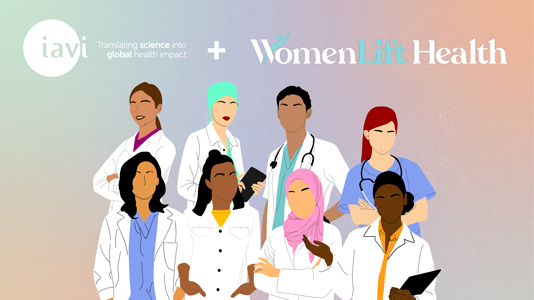
This International Women’s Day, the International AIDS Vaccine Initiative (IAVI) collaborated with WomenLift Health to spotlight the ongoing need for enhanced female leadership in science and research domains. Despite existing global initiatives aimed at rectifying gender disparities, women remain underrepresented in scientific leadership roles. IAVI and WomenLift Health are dedicated to fostering opportunities for women to advance and prepare as future leaders in science.
The Case for Women’s Leadership
A wealth of research underscores the benefits of increasing women’s leadership in scientific fields. Notable aspects include:
- Role Models: Women leaders serve as inspirations, encouraging other women and girls to enter STEM careers.
- Addressing Global Challenges: Female leaders bring unique perspectives essential in tackling global issues like public health, climate change, and food security.
- Diversity in Innovation: Women’s leadership contributes diverse viewpoints, enhancing creativity and problem-solving.
- Enhancing Collaboration: Women often excel at fostering cooperative relationships, improving teamwork and research outcomes.
Initiatives Making a Difference
Leadership Development Program (LDP)
In 2021, IAVI launched the Leadership Development Program under its ADVANCE initiative, supported by USAID. This program aims to equip early- and mid-career scientists from Africa and India with essential leadership skills. With a focus on gender equity, LDP’s cohorts include a significant representation of women, enhancing their prospects within the field. A recent needs assessment is expected to inform a tailored curriculum aimed at addressing women’s specific challenges in science.
WomenLift Health’s Leadership Journey
The Leadership Journey initiative by WomenLift Health seeks to amplify the influence of talented women in global health. This comprehensive, year-long program provides mid-career women with opportunities for personal development, networking, and mentorship, enabling them to refine their authentic leadership styles and broaden their impact in various health contexts.
Insights from Women Leaders
Several prominent women in the field have reflected on their experiences and the broader implications of female leadership in science:
“Increasing the number of female science leaders is crucial, especially in sub-Saharan Africa, where there is a significant gender gap in access to education and opportunities,” said Dr. Marianne W. Mureithi, Chairman at the University of Nairobi. “Women leaders serve as role models, inspiring others and addressing global issues.”
“Female leaders embrace a collaborative and inclusive approach, bringing in creativity and innovation essential for addressing real-world problems,” noted Dr. Norah A. Obudho, Health Integration Director at WomenLift Health.
Dr. Kawela Mumba-Mwangelwa emphasized, “Women leaders provide valuable insights that drive scientific progress and inspire the next generation of female scientists, fueling innovation in the field.”
Terry Kigundu, Senior Facilitator at WomenLift Health, stated, “For transformation to take place, women’s participation in leadership must be recognized as essential for achieving gender equality and social change.”
