


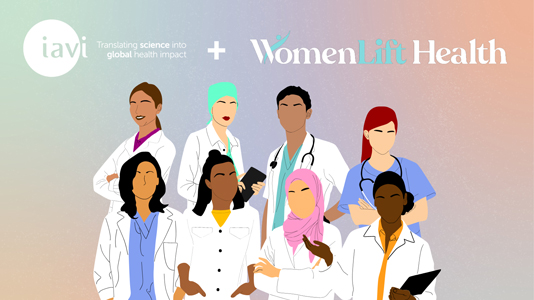
Empowering Women in Science: Insights from IAVI and WomenLift Health
The Need for Women’s Leadership in Science
This International Women’s Day, IAVI and WomenLift Health emphasize the critical need for increased representation of women in scientific leadership roles. Despite ongoing global initiatives, gender disparities continue to hinder progress. Both organizations are dedicated to empowering the next generation of female leaders in science.
Evidence of the Impact of Women Leaders
Research indicates multiple benefits of enhanced female representation in leadership, particularly in STEM fields. Some key advantages include:
- Role Models: Women in leadership positions inspire other women and girls, encouraging them to pursue scientific careers.
- Innovation in Global Challenges: Female leaders contribute unique perspectives that drive innovative solutions to issues such as climate change and public health.
- Diversity of Thought: Inclusion of women leads to a wider array of ideas and approaches in scientific inquiry.
- Collaborative Skills: Women leaders often excel at fostering relationships that enhance teamwork and cooperation.
Initiatives Promoting Women’s Leadership
IAVI’s ADVANCE Program
In 2021, IAVI launched the Leadership Development Program (LDP) to prepare early- and mid-career African and Indian scientists for leadership roles. Supported by USAID, the program aims to enhance gender equity through mentorship and training, comprising a cohort with over half its members being women (14 out of 25). A technical working group has also been established to identify and address barriers for women in science.
WomenLift Health’s Leadership Journey Program
WomenLift Health’s Leadership Journey Program focuses on nurturing talented mid-career women in global health. This year-long initiative fosters authentic leadership styles and expands networks, equipping participants with essential skills for increasing their influence in the field.
Voices of Women Leaders in Global Health
Dr. Marianne W. Mureithi

As a leader in medical microbiology at the KAVI Institute of Clinical Research, Dr. Mureithi emphasizes the importance of women leaders in sub-Saharan Africa. By serving as mentors, women can inspire new generations and help close educational gaps, ultimately contributing to economic development.
Dr. Norah A. Obudho

Dr. Obudho highlights how female leaders enhance STEM fields through their collaborative and inclusive methods. Their creativity, drawn from lived experiences, catalyzes innovation and ensures diverse perspectives in decision-making processes.
Dr. Kawela Mumba-Mwangelwa

As a co-principal investigator in Zambia, Dr. Mumba-Mwangelwa underlines the unique perspectives women bring to scientific innovation, stressing the importance of fostering environments where female leaders can thrive and inspire.
Terry Kigundu

Kigundu advocates for inclusion, arguing that women’s perspectives are essential for successful innovation in science. Their distinctive leadership styles not only enhance team cohesion but also drive impactful, systemic change.
