


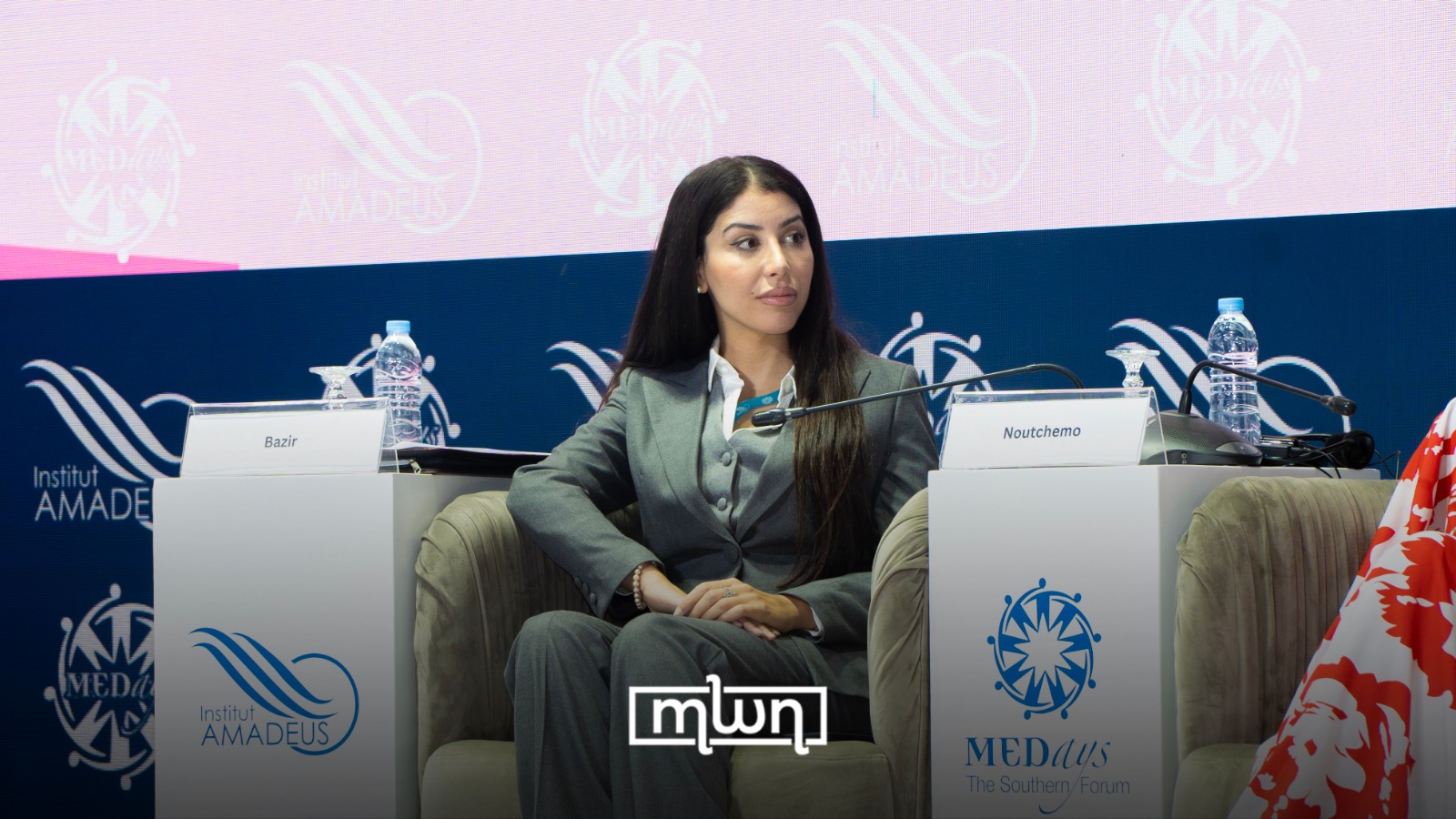
Rabat — The potential for women’s leadership to reshape Africa’s economic landscape was emphasized by Lamiae Bazir during a panel discussion at the 27th MEDays Forum held in Tangier. Bazir highlighted that women’s unique leadership qualities can provide Africa with a significant competitive edge.
In her view, women often exhibit a leadership style that is collaborative, future-focused, and rooted in social cohesion, traits that are increasingly essential in our complex global environment. She stated in an interview with Morocco World News (MWN), “Women bring a leadership style that is very particular and that is collaborative, long-term, disruptive, and anchored in social cohesions.” This leadership approach is vital as the world grapples with uncertainties and interconnected challenges.
Acknowledging Africa’s Potential
In a demographic context where 70% of Africa’s population is under 30, women are already pivotal to both economic and social development. However, Bazir pointed out that systemic barriers still inhibit women’s capacity to participate meaningfully in decision-making processes. She underscored this as more than a moral issue; addressing the lack of women’s leadership is a strategic economic necessity. “It is a very strategic investment, and it is Africa’s, or at least one of Africa’s strongest competitive advantages for the decade ahead,” she stated.
A Path to Transformation
According to Bazir, genuine transformation hinges on collaborative efforts among governments, businesses, and civil society. Key steps include:
- Governments: Create supportive environments through education initiatives, legal protections, frameworks for political inclusion, and improved access to financing for women.
- Private Sector: Invest in pipelines for leadership development, adjust hiring practices to remove biases, and actively support women-led businesses.
- Civil Society: Work towards changing societal perceptions, empower women’s voices, cultivate talent, and ensure accountability within systems.
Education as a Cornerstone
An essential element in driving this change is education. With over 130 million girls out of school globally, and only 44% of rural girls in Morocco completing secondary education, the educational gap remains vast. UNESCO estimates that if girls achieved full secondary education, it could contribute over $30 trillion to the global economy.
“When we educate girls, we really help society, communities thrive, we help institutions strengthen, and economies grow,” Bazir remarked. Her emphasis on education highlights its role in dismantling cycles of poverty and exclusion, catalyzing community growth and prosperity.
Bazir envisions the future of women’s leadership in Africa not as a distant ambition but as a shared duty and opportunity for everyone involved. The discussions at MEDays aimed to build momentum around a critical truth: “Women’s leadership is no longer a chapter in the story of progress; it is the engine that drives it.”
