


Roundtable on Gender and Energy Security: Insights and Discussions
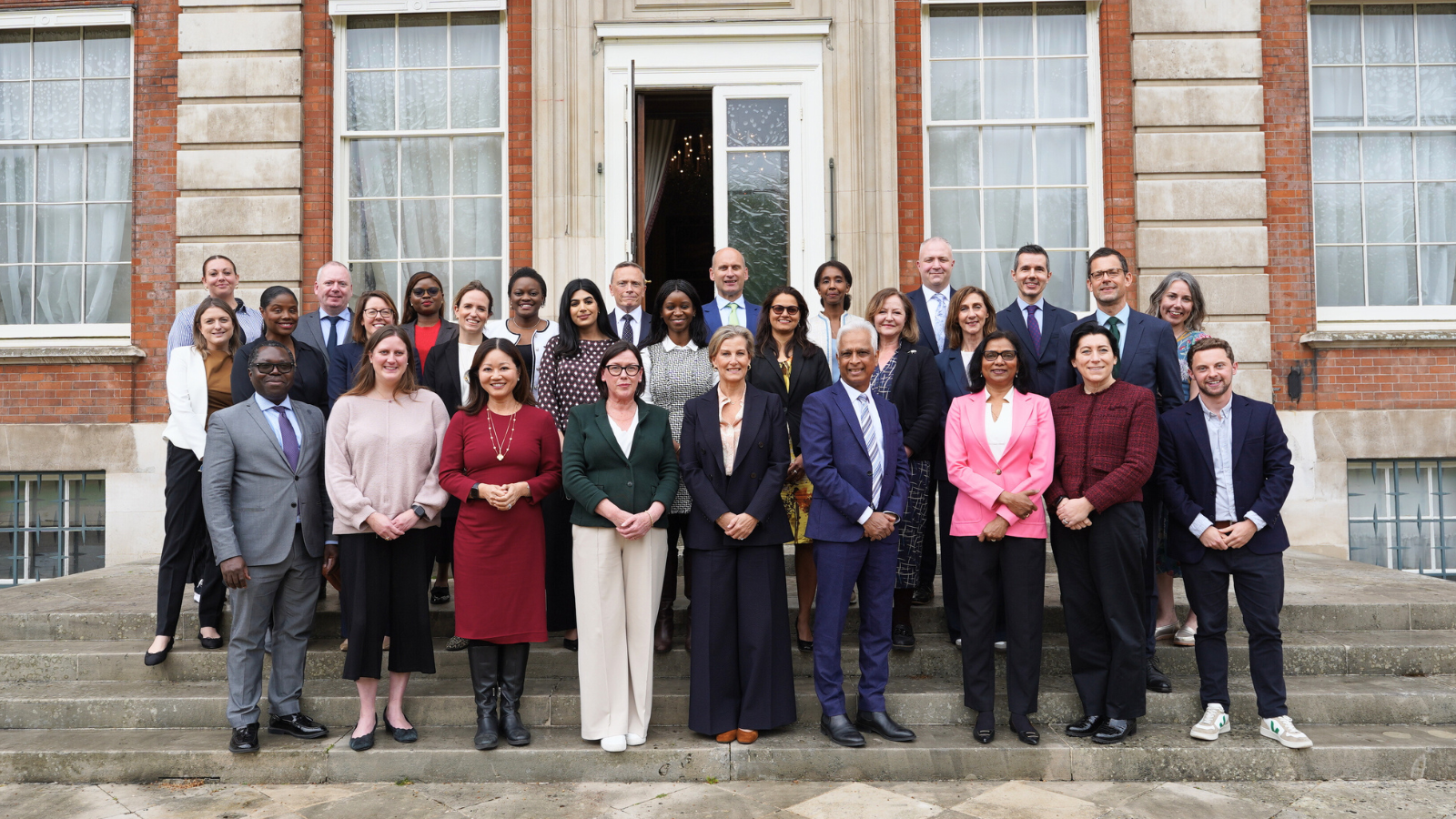
On the eve of the Summit on the Future of Energy Security, the Commonwealth Secretariat collaborated with the UK’s Department for Energy Security and Net Zero (DESNZ) to convene a significant roundtable focused on the intersection of gender and energy security. The gathering took place at Marlborough House in London and attracted a diverse group of participants, including economists, academics, civil society representatives, and members of the private sector.
Key Themes and Issues Raised
The event was held under the Chatham House Rule, allowing for open discussion of critical topics surrounding energy and gender. An essential focus was placed on creating environments where women can both contribute to and gain from advancements in energy security.
One of the striking statistics shared during the session highlighted the alarming reality that around 2.5 billion individuals globally rely on traditional fuels for cooking. This figure is nearly equivalent to the entire population of the Commonwealth. A delegate pointed out, “This leads to thousands of deaths every year.”
Given that cooking typically falls to women and girls, it was emphasized that they are disproportionately vulnerable to the health risks associated with using traditional fuels.
Success Stories and Continued Challenges
Delegates shared several success stories related to clean cooking initiatives that have significantly improved cooking practices and advocated for the use of renewable energy sources. One notable benefit of these projects is that children are now able to study using solar light rather than relying on candles.
However, participants voiced their frustration over the slow scaling of these initiatives. “Twenty years later and we are still talking about clean cooking. I am so frustrated,” lamented a representative from the private sector.
The Energy Trilemma
Discussions also touched upon the concept of the “Energy Trilemma,” which illustrates the inherent tensions between energy affordability, sustainability, and security. A delegate from the Commonwealth Secretariat proposed that personal security should also be integrated into energy policy discussions, highlighting how basic infrastructure such as streetlights can significantly enhance women’s safety. “Gender-blind policy reinforces inequality,” they stated.
Data, Carbon Credits, and Development Financial Institutions (DFIs)
The roundtable also addressed the complexities surrounding carbon credits and the necessity for clearer, disaggregated scientific evidence. A key point raised was that sharing cooking equipment within communities does not equate to genuinely improving the quality of life.
Concerns were raised regarding the policies of Development Financial Institutions, particularly their restrictions on fossil fuel use, hindering the growth of programs necessary for transitioning to cleaner energy. A governmental delegate remarked, “DFI policy excludes the use of fossil fuels which is preventing progress to scale programmes. Programmes do not need to be end-solutions, they should be part of the transition.”
Participation and Impact
Approximately 30 experts attended the roundtable, representing organizations such as the Royal Commonwealth Society, OECD, KPMG C-Suite Leadership Programme, POWERful Women, Shell, BP, Women in Carbon, Energy UK, and the National Grid. Their diverse backgrounds ensured a rich exchange of ideas and strategies aimed at addressing gender disparities in energy security.
Conclusion
The upcoming Summit on the Future of Energy Security, hosted by the International Energy Agency (IEA) in collaboration with the UK Government, promises to build on the discussions initiated during this roundtable, aiming for actionable solutions that promote both energy equity and gender inclusivity.
