


The Significance of STEM Education and Women’s Participation in India
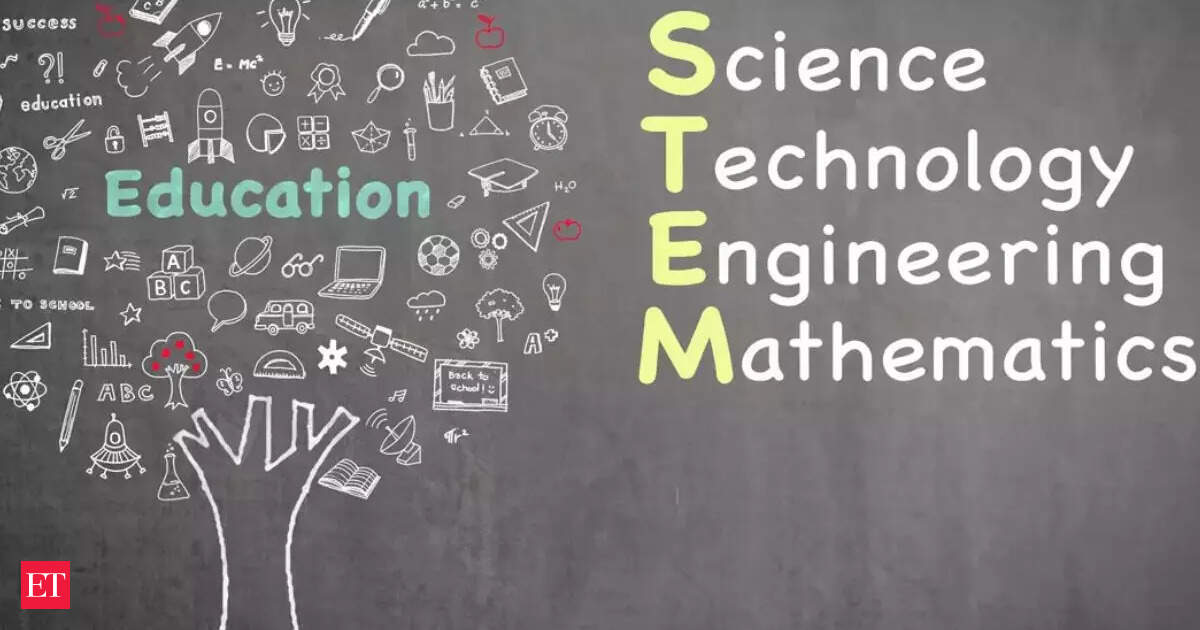
As we navigate through various phases of societal evolution—industrialization, information technology, the internet, and artificial intelligence—STEM (Science, Technology, Engineering, and Mathematics) skills have become increasingly integral. These competencies not only bolster individual contributions to societal advancement but also enhance personal earning potential. It is no surprise that many developed nations prioritize STEM education, implementing policies to attract talent worldwide.
The Shift Towards Skills-Based Education
In addition to traditional academic and research roles, numerous vocational skills increasingly necessitate a STEM background. As the emphasis shifts from pure academic learning to skill acquisition, the demand for stronger STEM education and training becomes evident.
Progress in Women’s Participation in STEM
Indian culture has a rich history of female achievement in STEM. Recent statistics indicate promising trends: approximately 40% of women are enrolled in STEM disciplines, and around 10% participate in startups. Data from the All India Council for Technical Education (AICTE) shows that girls represent about 35% of students in computer science engineering courses. While these figures reflect significant progress, challenges persist.
Challenges Impeding Participation
Despite advancements, numerous hurdles hinder greater female participation in STEM fields:
- Stereotypes: Societal perceptions often suggest that intelligence in subjects like mathematics and science is inherently male.
- Lack of Access: Many girls do not have access to nearby, safe educational institutions offering science courses, leading to either withdrawal from the education system or selection of less challenging paths.
- Early Stream Selection: Rigid educational structures require students to choose their fields too early, limiting flexibility.
- Economic Priorities: In some economically disadvantaged families, investment in male education is prioritized over that for females.
- Cultural Expectations: Traditional roles often advocate for girls to focus on homemaking or supporting their spouses instead of pursuing ambitious careers.
Government Initiatives Promoting STEM for Women
To address these disparities, various schemes have been implemented by the Indian government:
- Women in Science and Engineering-KIRAN (WISE-KIRAN): A dedicated initiative by the Department of Science and Technology aimed at enhancing women’s participation in scientific fields.
- Pragati Scholarship and Tech Saksham Program: Initiatives by the AICTE to support women in technical education.
- Beti Bachao Beti Padhao: A program focused on improving the child sex ratio and ensuring equal access to quality education for girls.
- Sukanya Samriddhi Yojana: A small savings scheme aimed at encouraging families to save for girls’ education and future expenses.
- CBSE Udaan: A scholarship initiative for girls from economically vulnerable families to pursue engineering degrees.
- Rajiv Gandhi Scheme for Empowerment of Adolescent Girls: This program promotes life skills education and provides access to nutrition and healthcare for adolescent girls.
- Kasturba Gandhi Balika Vidyalaya Scheme: Establishes residential schools for girls from marginalized communities.
The Path Forward
Increasing women’s participation in STEM requires a multi-faceted approach that fosters equitable access, develops skills, and dismantles systemic barriers. Emphasizing STEM education can cultivate a scientific mindset not only in the current generation but for future generations as well.
Kamlesh Vyas, Partner at Deloitte India, and Rajat Sharma, Manager at Deloitte India, articulate the need for concerted efforts to bridge these gaps and inspire young women to excel in STEM.
