


Women in Technology Awards: Addressing Gender Disparities
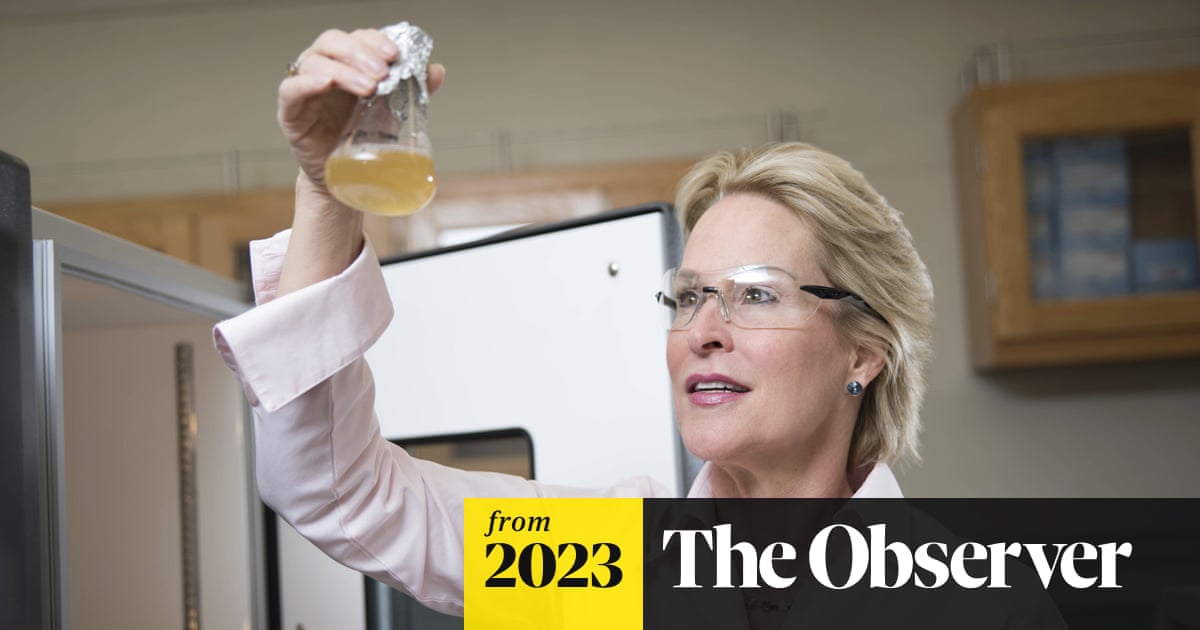
Amidst various accolades, Prof. Frances Arnold stands out as the sole female laureate of the Millennium Technology Prize, often regarded as the engineering equivalent of the Nobel Prize. With nominations for the 2024 edition recently concluding, it has been revealed that women made up only 16.3% of nominees—a notable rise, yet still a stark reminder of the disparities within the scientific community.
Current Trends in Nominations
The recent statistics from the Millennium Technology Prize, launched in 2004, indicate that women’s representation among nominees has gradually improved, reaching its highest percentage this year since its inception, apart from a notable 28.1% in 2022. Arnold expressed a desire for greater diversity among award recipients, emphasizing the contributions diverse individuals bring to technological innovation. “We’d love to see more diversity in the winners of these prizes because we know that diverse people contribute to technology,” she stated in an interview.
Reflecting on Structural Challenges
Arnold pointed out that the historical context plays a significant role in these statistics. Many of the innovations recognized today stem from work initiated 20 to 30 years ago, a period when women were conspicuously underrepresented in technology fields. “My prediction is that there will be more nominations for women because marvelous women are joining the technology community,” she added. However, she noted a persistence in the issue whereby women often work collaboratively, making it challenging to isolate individual contributions for recognition.
A Path to Recognition and Success
In 2016, Arnold was honored with the Millennium Technology Prize for her pioneering work in directed evolution of enzymes—a significant achievement that she traces back to her engineering background. Two years later, she also received the Nobel Prize in Chemistry for similar concepts. “Winning took a lot of hard work,” she reflected, highlighting the importance of resilience in her journey.
Arnold, who also co-chairs President Biden’s Council of Advisors on Science and Technology, pointed out the pivotal role of academic institutions in fostering future talent. “Half of our undergraduates are women. So the pipeline is there. Whether they stay to compete in academic research is another question,” she remarked, indicating a concern over the retention of women in research roles.
Strategies for Encouraging Female Participation
The Technology Academy Finland (TAF), the organizing body behind the prize, is actively working to encourage more female participation in nominations. Dr. Markku Ellilä, TAF’s chief executive, noted, “The problem is structural and requires that women are encouraged to work in science at a young age.” Efforts include collaborations with universities and engaging female candidates through initiatives such as pitching contests and the Global Young Scientists Summit in Singapore.
Looking Ahead
Minna Palmroth, the chair of TAF’s board, confirmed that preliminary efforts are making headway. “We pilot-tested purely women-targeted content in our nominations campaign, which gained promising results. However, there is still a lot to do,” she commented. Together, these initiatives aim to enhance the visibility and recognition of women in technology awards moving forward.
Conclusion
The journey towards greater gender equality in technology accolades continues, with increasing awareness and concerted efforts to address the underlying structural issues. As influential figures like Frances Arnold advocate for inclusivity, the hope for a more representative future within the engineering and technology sectors becomes more attainable.
