


Progressing Gender Equality in Technology: A Historical Perspective
Early Advocacy and Action at IBM
The issue of gender disparity within the fields of technology, mathematics, and science is longstanding. A pivotal moment occurred nearly a century ago when Anne Van Vechten, a female student, posed a significant question to IBM’s then-CEO, Thomas J. Watson Sr. She inquired about the lack of career opportunities for women in American companies, prompting Watson to reflect critically on this matter.
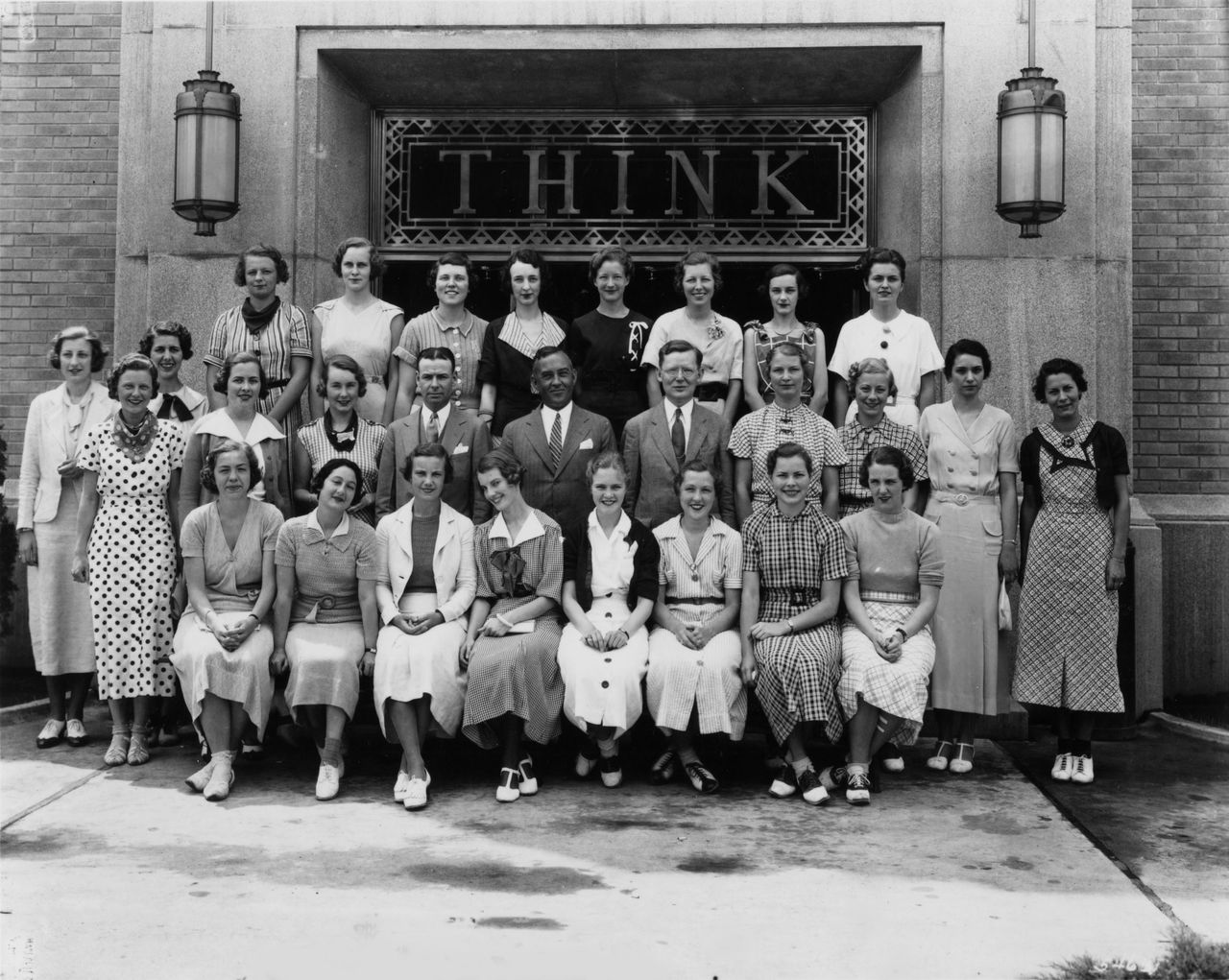
In response, IBM took a notable step in 1935 by opening its training programs in Endicott, New York, to women, establishing an early precedent for female inclusion in the corporate workforce.
Leadership and Advocacy for Equality
During the same year, Watson boldly declared his belief in gender equality in the workplace: “Men and women will do the same kind of work for equal pay. They will have the same treatment, the same responsibilities and the same opportunities for advancement.” This statement not only asserted his commitment to equality but also laid a foundational principle at IBM: respect for the individual.
Watson’s decision was not merely an act of goodwill; he recognized the substantial value that women could bring to the workplace. By promoting diversity, IBM aimed to harness a broader array of skills and viewpoints, ultimately strengthening the organization’s capabilities.
Programs for Workforce Diversity
Over the decades, IBM has implemented numerous initiatives designed to inspire and recruit women into technology fields. These programs focus on mentoring, education, and professional growth for women in tech-related roles. Such efforts have significantly contributed to the cultivation of female talent within the tech industry, paving the way for future generations.
Notably, Ginni Rometty, the first female CEO of IBM, highlighted this rich legacy during her speech at the 2016 Grace Hopper Celebration of Women in Computing. She remarked, “I want you to remember something: past is prologue,” emphasizing the integral role women have played in shaping technological progress throughout history.
Conclusion
The journey towards greater gender equality in technology, initiated by visionaries like Thomas J. Watson, continues to evolve through ongoing corporate efforts. IBM’s historical commitment to fostering a diverse workforce serves as a model for other organizations seeking to implement similar changes and close the gender gap in STEM fields.
