


Coding Initiative Empowers Girls in STEM in Colorado
On a chilly February afternoon, twenty-three middle-school girls from the St. Vrain Valley School District engaged in a unique online coding class. This program aims to introduce them to coding and reveal the opportunities within the fields of science, technology, engineering, and mathematics (STEM), particularly for women.
Inspiration from Local Experts
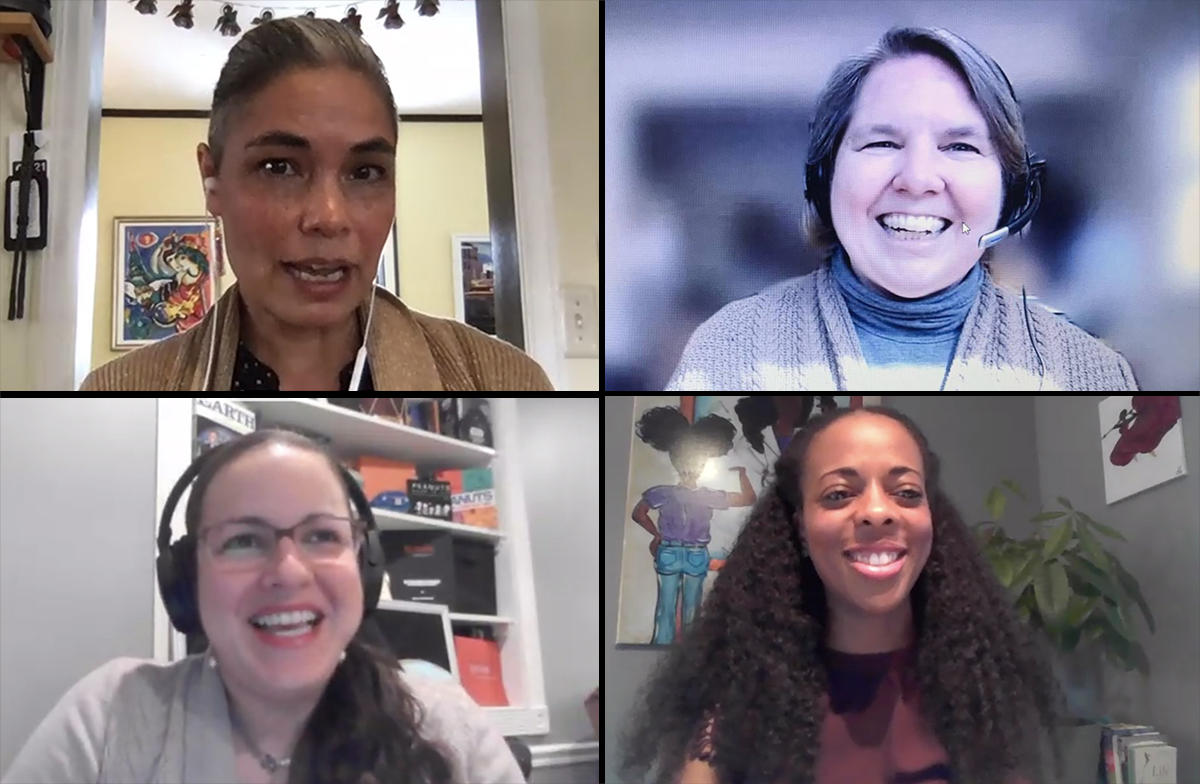
Scientists from the National Institute of Standards and Technology (NIST), located in nearby Boulder, Colorado, facilitated the event. Marla Dowell, Boulder Laboratory Director at NIST, shared her own experiences as a young girl. She spoke of her initial hesitance to participate in science classes, urging the students to embrace their curiosity and take that first step.
“I was just like you. Just try,” Dowell encouraged the girls.
The Gender Gap in STEM
According to the U.S. Bureau of Labor Statistics, STEM fields are among the fastest-growing job sectors in the U.S. However, women, specifically women of color, are underrepresented, making up only 29% of the workforce in science and engineering as of 2017. This percentage has been declining in computer and mathematical sciences—from 31% in 1993 to 25% in 2010. This lack of diversity not only limits innovation but also impedes the hiring process, as highlighted by Dowell.
“To hire the best people, you need a talent pool that is representative of the entire U.S. population,” she stated.
A Collaborative Effort to Change the Narrative
The YWCA Code Jam was created through a partnership between Google and the YWCA, aimed at closing the gender gap in STEM at critical early educational stages. Boulder was selected along with Los Angeles as a pilot site for this initiative, with a particular focus on reaching young girls of color.
During the event, participants learned coding basics through the platform CodeMonkey, and those interested can further their skills in a seven-week program offered by the YWCA.
“This is an introductory space for young girls to get a taste of what coding is,” said Debbie Pope, CEO of YWCA Boulder County, emphasizing the goal of empowering young girls to recognize their potential in STEM.
The Importance of Role Models
Having role models is vital for encouraging young women in STEM. When Joanne Krumel, a prize challenge specialist at NIST, read about the initial Code Jam, she quickly reached out to collaborate with YWCA Boulder County. The opportunity for students to hear from accomplished scientists serves to inspire and illustrate the diversity of careers available in STEM.
“When they can see other women whom they can see themselves in, it’s incredibly powerful,” Pope remarked.
Sharing Personal Stories
During the February event, NIST staff members Jeanita Pritchett, Diana Ortiz-Montalvo, and Tara Fortier shared their pathways within their scientific careers. Ortiz-Montalvo described her journey from Puerto Rico, becoming the first in her family to attain an advanced degree. Fortier spoke about her transition from an aspiring artist to a physicist specializing in optics, while Pritchett discussed learning from failures. Each shared the importance of community and connection among women in STEM.
“Start building your network of those who support you,” Pritchett advised the participants.
The Way Forward
As the event concluded, Dowell encouraged students to persist in their aspirations within STEM, despite potential adversities or discouragements.
“Sometimes being the only woman or girl in the room can feel like being a zebra in a herd of horses. Just keep in mind that zebras have better stamina and maneuverability,” Dowell explained.
The ongoing COVID-19 pandemic has accentuated the challenges faced by girls and communities of color, making initiatives like these even more crucial. The commitment by NIST to continue partnering with the YWCA for virtual events exemplifies a strong dedication to bridging the opportunity gap during these difficult times.
“It’s even more important than ever. We can’t lose this time with these young girls,” concluded Pope.
