


Women in STEM: Overcoming Challenges and Inspiring Change

Despite significant strides in gender equality, women remain underrepresented in STEM (Science, Technology, Engineering, Mathematics) fields. According to the 2024 SHE Figures report from the European Union, only 21.4% of doctoral graduates in STEM are female. Alarmingly, women hold less than one-third of higher-level academic positions, comprising just 34% of researchers and 26% of decision-makers in higher education across the EU.
The situation is similar during the pre-career phase, with only 31% of STEM graduates identifying as female or non-binary. While disciplines like physical and life sciences show more balanced gender ratios, areas such as computer science and engineering report just 23% and 21% female graduates, respectively. This alarming trend, referred to as “the leaky pipeline,” resembles more of a systemic failure rather than a mere leak.
Celebrating Female Academics in STEM
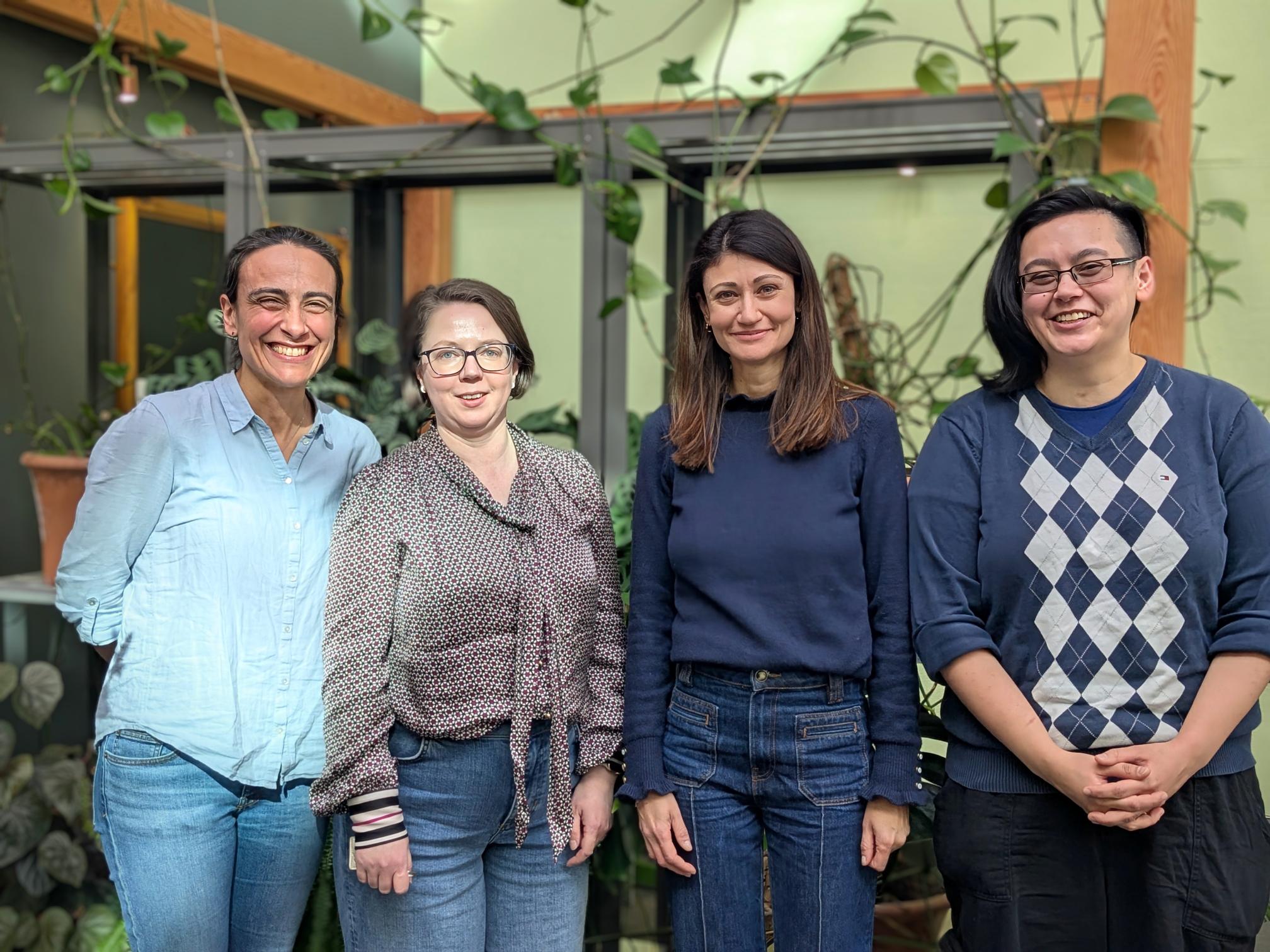
In anticipation of International Women’s Day, the Research and Engagement team at Lancaster University reached out to several prominent female academics to discuss their experiences and insights. We spoke with:
- Dr. Ally Gormally-Sutton, Senior Lecturer in Human Geography and Athena Swan lead
- Professor Elizabete Carmo-Silva, Professor of Crop Physiology and Deputy Director of the RIPE project
- Dr. Rosa Letizia, Senior Lecturer in Electronic Engineering and Athena Swan lead for her School
- Dr. Sophie Rawnsley-Lau, Postdoctoral Researcher in Chemistry
Pathways to STEM: Inspirations and Mentorship
When asked about their motivation for pursuing careers in STEM, each academic shared personal anecdotes:
Sophie: “As a kid, I was continually drawn to understanding how things worked. My interest was sparked early on by a passionate chemistry teacher who nurtured my curiosity.”
Elizabete: “Initially, I struggled with plant biology. However, midway through my biology degree, everything clicked, and I became fascinated by the unique mechanisms plants use to thrive.”
Ally: “I began in environmental sciences, driven by a concern for climate change. My interdisciplinary PhD allowed me to blend my interests in social sciences and geography.”
Rosa: “Growing up, I always excelled in science subjects. I chose engineering at university because it allowed me to apply my knowledge to create tangible outcomes.”
Overcoming Challenges as Women in STEM
While their paths have been rewarding, each academic has faced unique challenges:
Ally: “The environment in the past was often dominated by male perspectives. However, it’s essential to create a supportive space for the next generation of women and minorities.”
Sophie: “Though I’ve had a positive experience, I sometimes encounter condescension, creating a challenging workplace dynamic.”
Elizabete: “Being a non-native English speaker prompted me to work twice as hard to prove my competence in academia.”
The Importance of Mentorship
A recurring theme in our discussions was the critical role of mentorship:
Rosa: “Good mentors can provide valuable guidance, encouraging us to explore opportunities we might overlook.”
Sophie: “Having supportive colleagues is vital. My mentors ensure I never feel differentiated by my gender.”
Addressing Gender Bias in the Workplace
The academics acknowledged ongoing gender biases in the field:
Elizabete: “Surprisingly, many assume I am a junior researcher due to my casual attire, which highlights the stereotypes still present.”
Ally: “I often receive emails addressed in a diminutive form, emphasizing the tendency to diminish women’s titles.”
Advice for Future Generations
When asked for advice on navigating STEM career paths, the scientists offered invaluable insights:
- Rosa: “Seek out mentors, even unofficial ones, who can guide you.”
- Sophie: “Have confidence in your skills and understand that learning is a continuous journey.”
- Ally: “Embrace failure as part of the learning process; it’s normal!”
- Elizabete: “Surround yourself with supportive individuals who inspire you.”
Through ongoing discussions and initiatives, the path for women and minorities in STEM continues to evolve. Those interested in sharing their own stories or contributing to the discourse around “STEMMing the Leaky Pipeline” can connect with the Research and Engagement team at fst-research-and-engagement@lancaster.ac.uk.
