


Empowering Women in Science: A Vision for the Future
The Current Landscape of Women in STEM
Despite advancements in gender equality, women represent only a third of the global scientific community. In the realm of Science, Technology, Engineering, and Mathematics (STEM), only 35% of students enrolled are females. This disparity raises questions about the potential transformations that increased female participation could bring to the scientific world.
Personal Journey of a Trailblazer
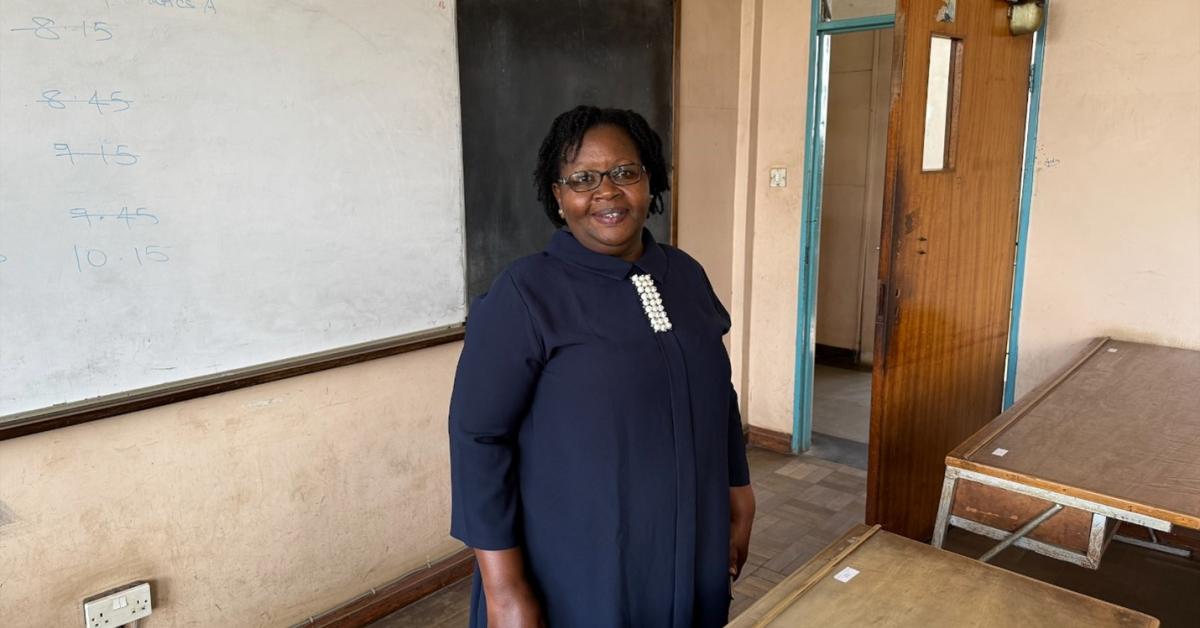
On the International Day of Women and Girls in Science, Professor Karanja reflected on her groundbreaking achievements as Kenya’s first woman to attain a PhD in Geoinformatics. She shared insights with UNESCO about her path, the obstacles she faced, and her vision for an inclusive scientific community.
Initial Steps into Geoinformatics
Professor Karanja’s fascination with Geoinformatics began in high school. When choosing potential career paths, she noticed a lack of girls selecting surveying—a field she found intriguing. Her curiosity led to a fulfilling journey in geoinformation, a decision she celebrates!
Navigating a Male-Dominated Field
The landscape of male dominance in her field posed challenges, yet it also offered opportunities. “Without female role models to look up to, navigating was sometimes difficult,” she notes. Professor Karanja emphasizes that allyship from supportive male classmates was crucial during her academic years, where she was one of only two girls in her class.
Inspirations that Shaped Her
Her roots are anchored in a family that prioritized education. “My parents were my greatest inspiration,” she recalls. Her father, a teacher, and mother, a farmer, instilled values that encouraged her pursuit of education, shaping her journey into the sciences.
The Vision for Increased Female Representation in Science
Professor Karanja believes that greater female involvement in science can lead to a more innovative and inclusive world. “With more women in science, diverse perspectives would enhance the design of infrastructure, technology, and solutions to real-world problems,” she asserts. To leave half the population behind is simply not an option.
Bridging the Gender Gap in STEM
To address the gender disparities in scientific fields, several strategic interventions are necessary:
- Mentorship Programs: Engaging young women in mentorship initiatives can open up pathways to STEM careers. Professor Karanja has been actively involved in UNESCO’s mentorship programs since 2014, guiding high school girls to consider science as a viable career.
- Resource Allocation: Schools, particularly those catering to girls, need equitable resources to enhance science learning.
- Breaking Stereotypes: Families and institutions must actively work to eliminate stereotypes that deter girls from pursuing science.
A Message to Aspiring Female Scientists
“Science belongs to everyone,” Professor Karanja asserts. “Women and girls are not just participants: We are innovators and pioneers.” She encourages young women to believe in themselves, focus on their aspirations, and create empowering environments that foster growth. A shift in mindset is vital: science truly is for everyone.
The Role of UNESCO in Promoting Gender Equality in STEM
UNESCO plays a pivotal role in advocating for science education, particularly for women in STEM fields. Through its mentorship programs and partnerships, the organization aims to increase the representation of women in science, ensuring that the gender gap narrows steadily over time. Their sustained efforts, alongside those of other organizations, are essential for creating a more inclusive scientific landscape.
