


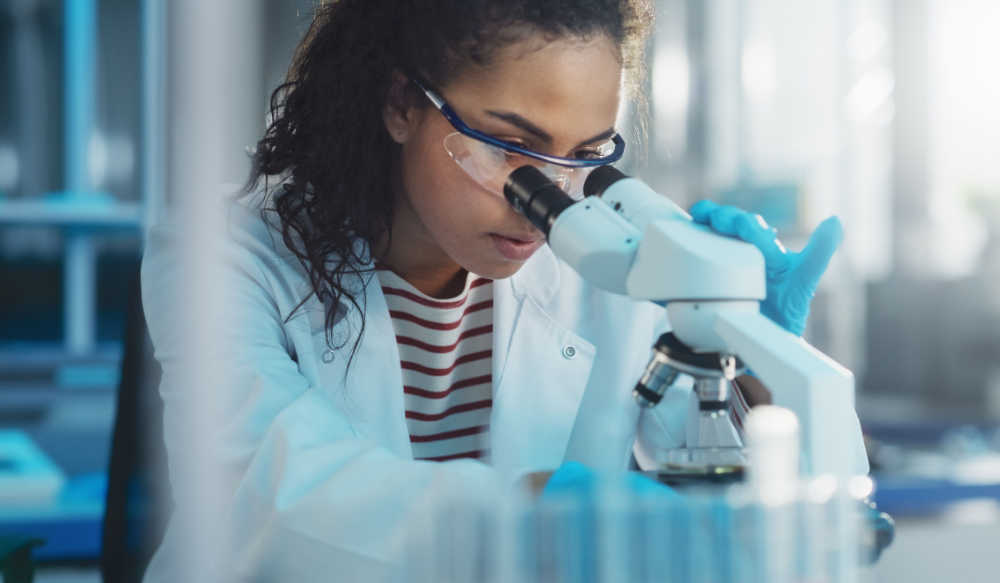
Gender Representation in STEM Fields in the EU – 2021 Insights
Overview of Female Scientists and Engineers in the EU
As of 2021, the European Union employed approximately 6.9 million female scientists and engineers, marking an increase of 369,800 from the previous year. This figure represents 41% of the entire workforce in these sectors.
Sector-Specific Gender Distribution
While women are engaged across various sectors, their representation varies significantly:
- Services sector: 46% female
- Air transport: 28% female
- Manufacturing sector: 21% female
- Water transport: 8% female
- Manufacture of transport equipment: 12% female
- Motor vehicles: 13% female
The lowest representation was recorded in industries that are traditionally male-dominated.
High-Tech Sector Representation
Focusing on high-tech fields:
- Knowledge-intensive services: 46% female
- High-technology sectors (combining manufacturing and services): 22% female
- High and medium-technology manufacturing: 18% female
Regional Variations Within the EU
Female representation among scientists and engineers shows considerable variation across EU member states:
- Highest representation:
- Lithuania: 52%
- Bulgaria: 51%
- Latvia: 51%
- Portugal: 51%
- Lowest representation:
- Luxembourg: 35%
- Germany: 34%
- Italy: 34%
- Hungary: 33%
- Finland: 31%
Regional Highlights
Specific NUTS 1 regions also exhibit a notable distribution of female scientists and engineers. In 2021, 14 regions had a majority of women in these roles:
- Spain:
- Centre: 55%
- Canary Islands: 55%
- North-West: 52%
- North-East: 51%
- Portugal:
- Região Autónoma dos Açores: 62%
- Madeira: 57%
- Continental Portugal: 51%
- Bulgaria: 56%
- Poland:
- Makroregion Centralny: 55%
- Makroregion Wschodni: 53%
- Northern Sweden: 52%
- Denmark: 50%
- Lithuania: 52%
- Latvia: 51%
Conversely, regions recording the lowest percentages include areas in Germany, Finland, and Hungary, where female representation ranged from 30% to 31%.
Conclusion
This report coincides with the International Day of Women and Girls in Science, celebrated on February 11th, emphasizing the ongoing efforts required to enhance gender equality in scientific fields.
