


Empowering Women in STEM: The ST3AM Project Initiated by Lodz University of Technology
The ST3AM project is set to officially commence on October 1, with a vision to enhance the participation of women and girls in STEM education and careers. This initiative, backed by a funding of €400,000 from the Erasmus+ program, reflects a collaborative effort among several international educational institutions.
Project Consortium
The ST3AM project is coordinated by the Ecole Supérieure des Technologies Industrielles Avancées in France, alongside notable partners including:
- Innovation Hive (Greece)
- University of South-Eastern Norway
- UCLan Cyprus Limited
- Vytautas Magnus University (Lithuania)
- University of West Attica (Greece)
- Lodz University of Technology (Poland)
A Focused Mission
Entitled “Striving for Gender Balance via Education Reform: 3A Factors for Advancement and Mentorship in STEM”, the project underscores its commitment to promoting gender balance in STEM. It is anchored in the 3A framework: Attract, Access, and Attain.
The 3A Framework Explained
The 3A approach outlines three pivotal areas:
- Attract: Initiatives designed to entice women and girls into STEM by making these fields more welcoming and engaging.
- Access: Commitment to providing equitable educational resources and career opportunities.
- Attain: Efforts to ensure women achieve success in STEM through dedicated mentoring and supportive environments.
Reforming Education for Gender Equality
To attain gender parity in STEM, educational reform is crucial. Implementing initiatives that inspire girls to explore scientific disciplines can significantly influence their academic trajectories and career pathways. Training educators to eliminate gender stereotypes is key to fostering female interest in these fields.
Insights from Project Coordination
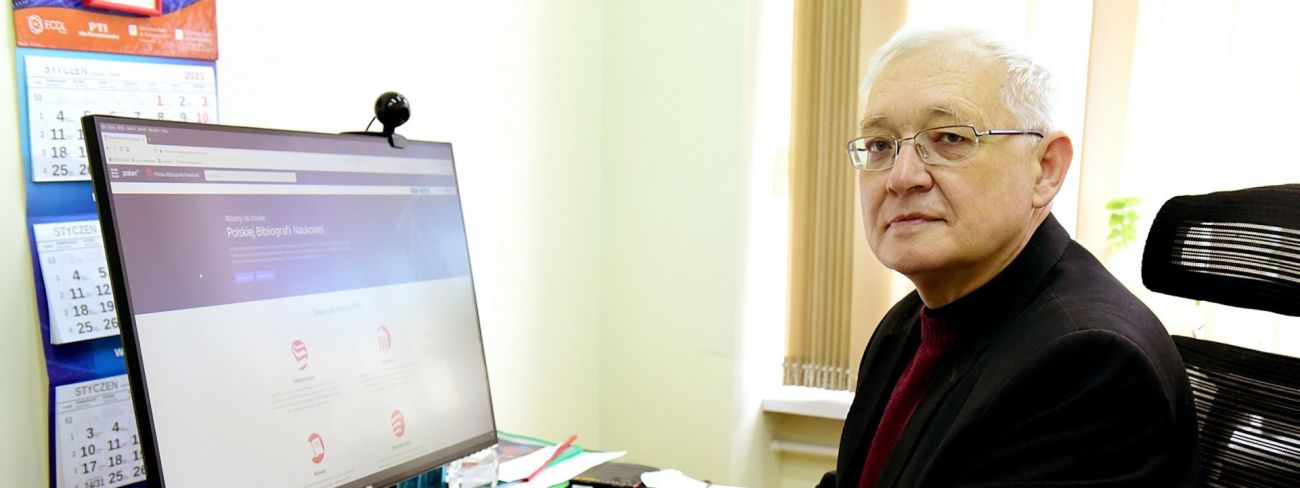
Leading the project at Lodz University of Technology, Prof. Volodymyr Mosorov from the Institute of Applied Informatics states:
“We aim to empower women and girls through specialized educational modules and inspiring content that is sensitive to gender differences. By promoting a culture aware of these differences, we create more educational and professional opportunities. We achieve this by connecting schools, universities, and industry, in alignment with the European Commission’s vision. Our goal is to influence policy at the European level to bring about lasting change.”
Data-Driven Research and Digital Resources
The project will involve an in-depth analysis of higher education systems across participating countries, focusing on their inclusivity and policies supporting gender equality. Additionally, a digital platform will be established to offer educational materials specifically for women scientists and mentors, tackling challenges such as gender discrimination and self-doubt.
Comprehensive Research Phase
The research component will analyze factors contributing to the underrepresentation of women in STEM fields using the 3A methodology. This includes gathering baseline data on STEM programs, particularly in engineering and ICT, and examining dropout rates among women as compared to overall rates. Gender equality plans at universities will be scrutinized alongside personal factors such as self-efficacy and biases that influence girls’ choices in STEM.
A Hub for Engagement and Networking
Central to the project will be a hub designed to enhance women’s involvement in STEM, providing supportive resources and creating a vast network that connects academia with industry stakeholders. This initiative aspires to forge pathways that will significantly uplift women’s roles across STEM disciplines.
