


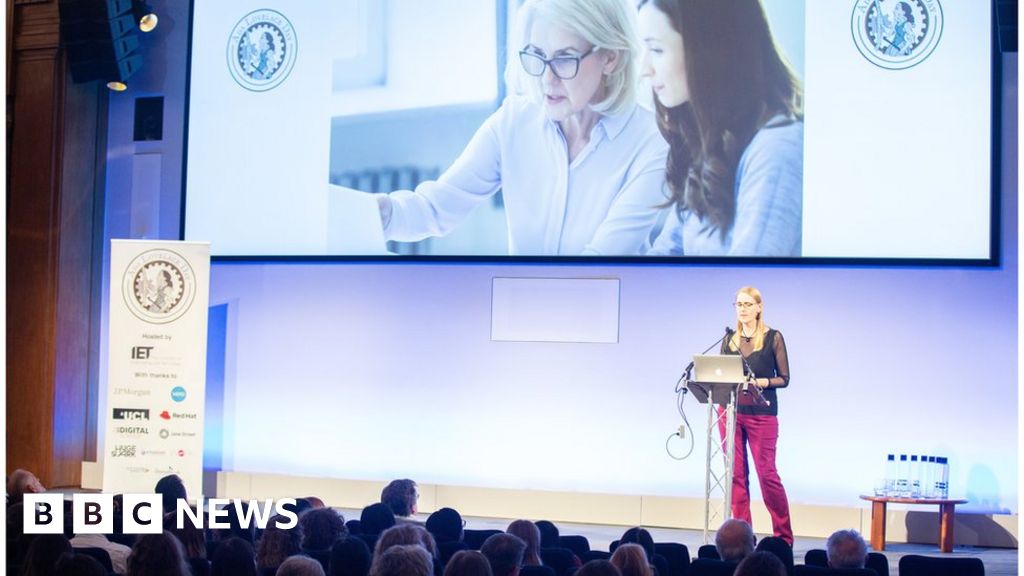
Ada Lovelace Day Faces Funding Challenges Amidst Ongoing Gender Inequality in STEM
The final event of Ada Lovelace Day (ALD), an international celebration dedicated to women in science, technology, engineering, and mathematics (STEM), has been announced by its organizers. The reason for this unfortunate decision is cited as a significant lack of funding from corporate sponsors.
According to the organizers, there exists a misleading belief that gender disparities within STEM sectors have been adequately addressed, which contributes to the diminishing support for such initiatives.
Community Responses to the Announcement
Chemical engineer Yasmin Ali, a past participant of ALD, expressed her disappointment, stating she was “heartbroken.” Ali reflected on her previous involvement, which took place at the Royal Institution in London back in 2015, describing it as an “incredible” experience that bolstered her confidence and propelled her career—leading to numerous engagements, including a book deal about the energy sector.
The Inception and Evolution of ALD
Suw Charman-Anderson, who founded Ada Lovelace Day in 2009, noted that what began as a single day of blogging has grown into a globally recognized event, celebrated in numerous countries. However, she revealed that the primary reason for ceasing the event is straightforward: “we just couldn’t raise the funding to continue.”
Charman-Anderson further elaborated that several factors—such as economic downturns linked to Brexit, the pandemic, and energy crises—have led many companies to tighten their marketing and corporate social responsibility budgets. She also pointed out the erroneous assumption in corporate boardrooms that the issue of underrepresentation of women in technology has been resolved.
Ada Lovelace, her namesake, was a groundbreaking figure in the 19th century, often regarded as the first computer scientist. Her significant contributions came at a time when educational opportunities for women and girls were severely restricted, enhancing her achievements.
Current Status of Women in STEM
Statistics from STEM Women reveal a stagnation in the representation of women within the workforce. From 2016 to 2019, the percentage of women in the UK STEM workforce rose mildly from 21% to 24%. Projections suggest that this figure may hover just below 30% by the end of the current decade.
In a recent interview, Tim Cook, CEO of Apple, conveyed his concerns regarding the underrepresentation of women in technology sectors, asserting that “there are no good excuses” for the current disparity.
Charman-Anderson emphasized that the persistent gender inequality not only affects women but also impacts UK businesses and the broader economy. She stated, “There’s a big body of evidence to say that companies with diverse leadership perform much better.” Thus, failing to address these concerns equates to a loss of financial opportunities for organizations.
